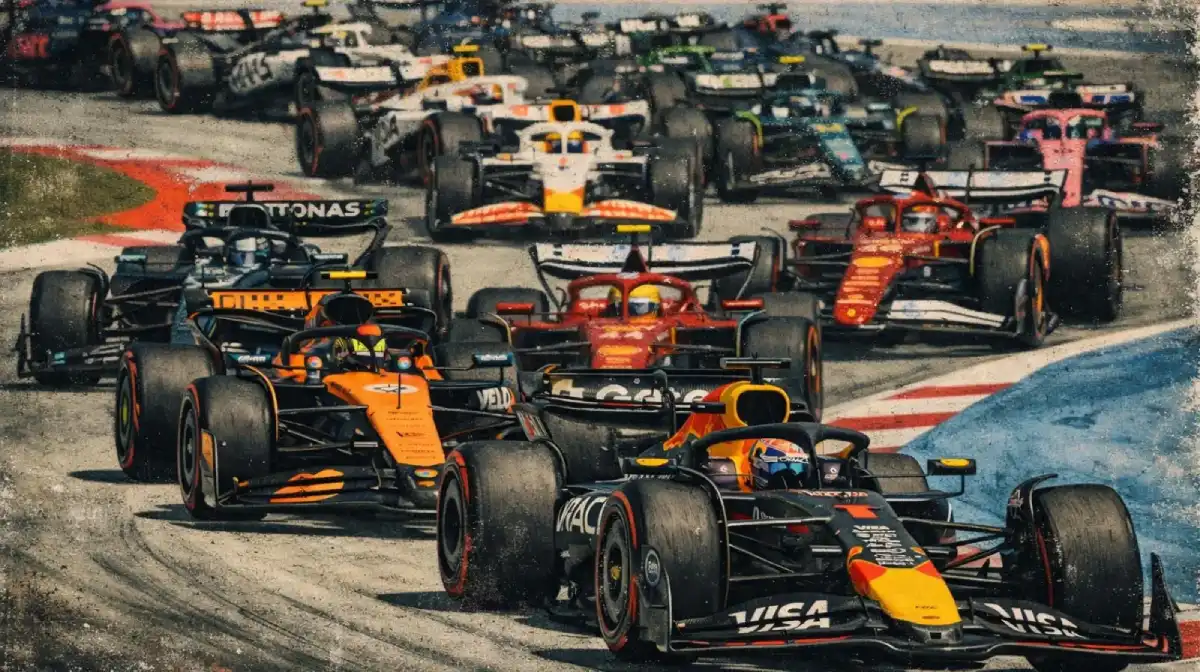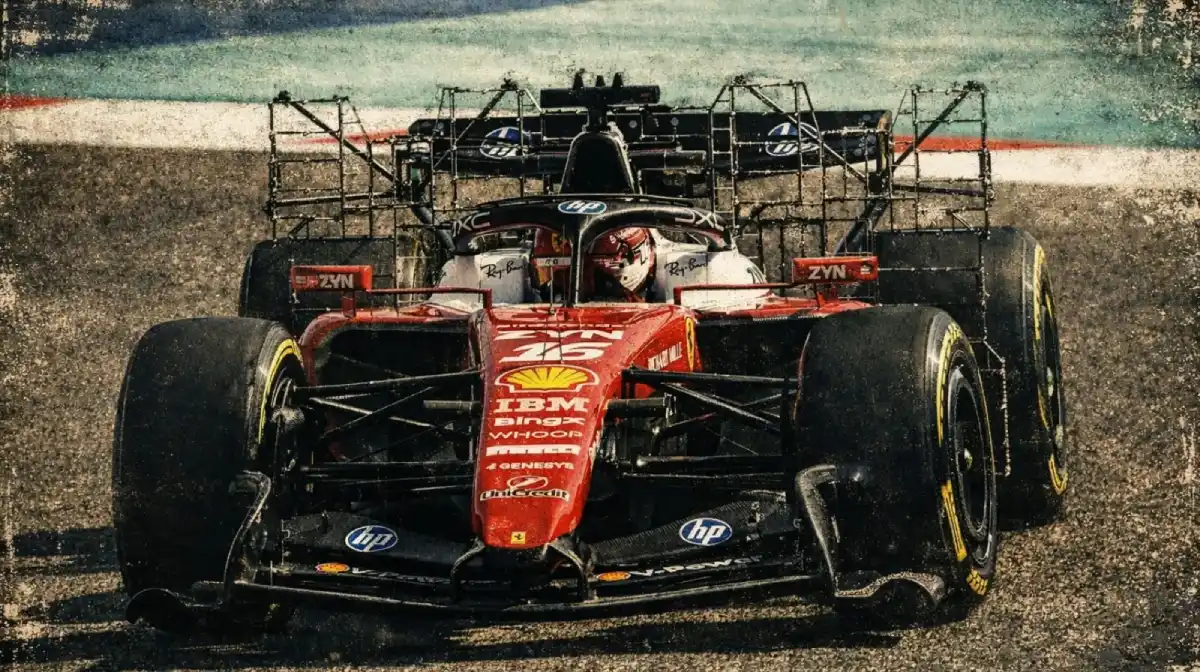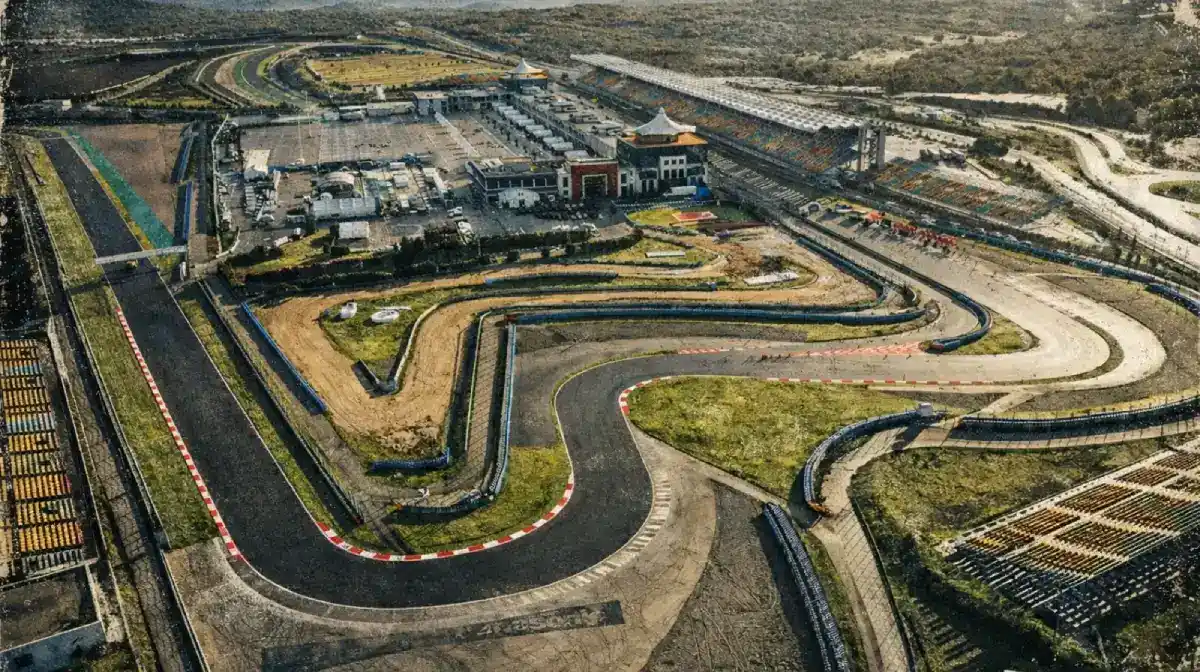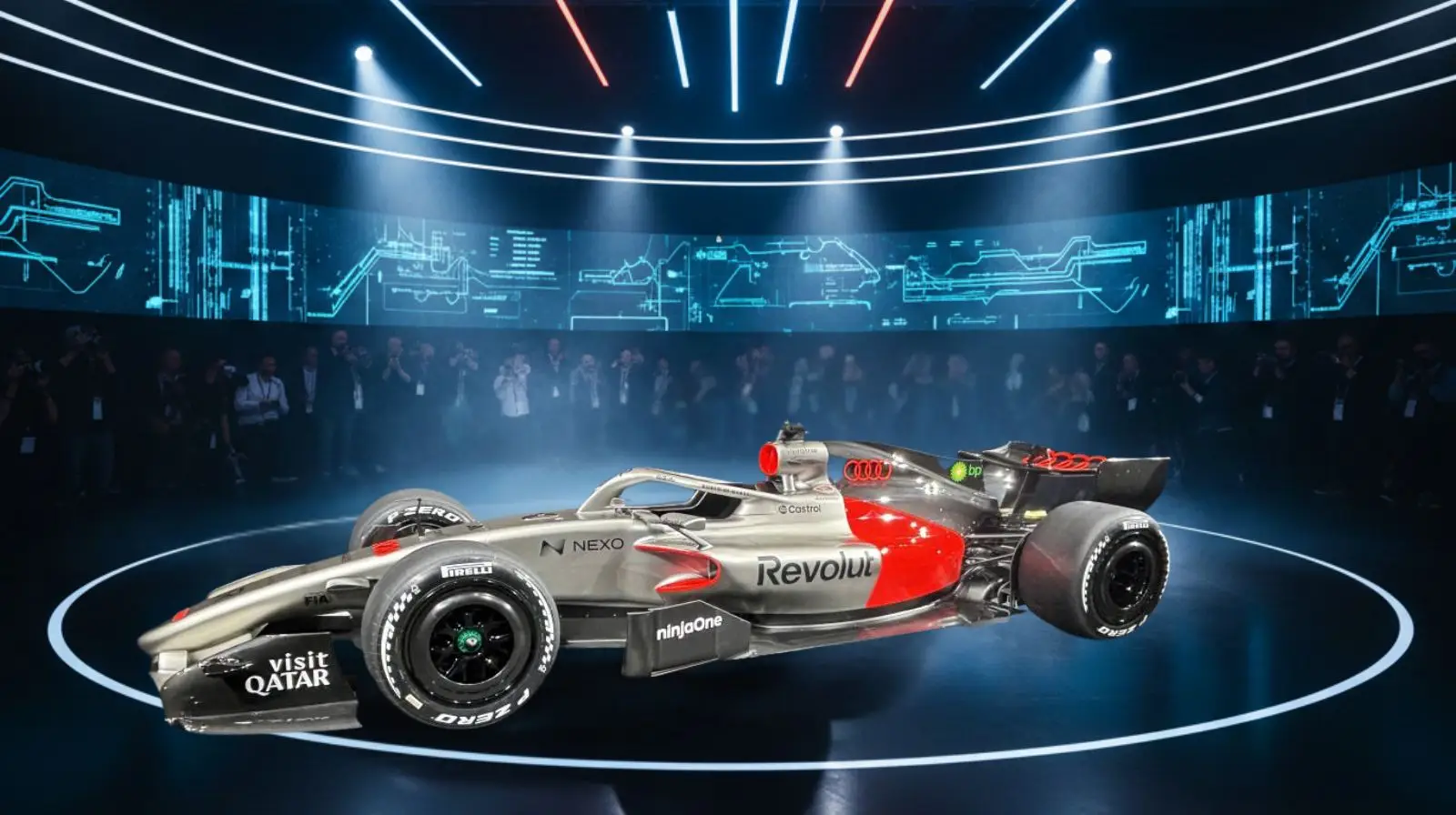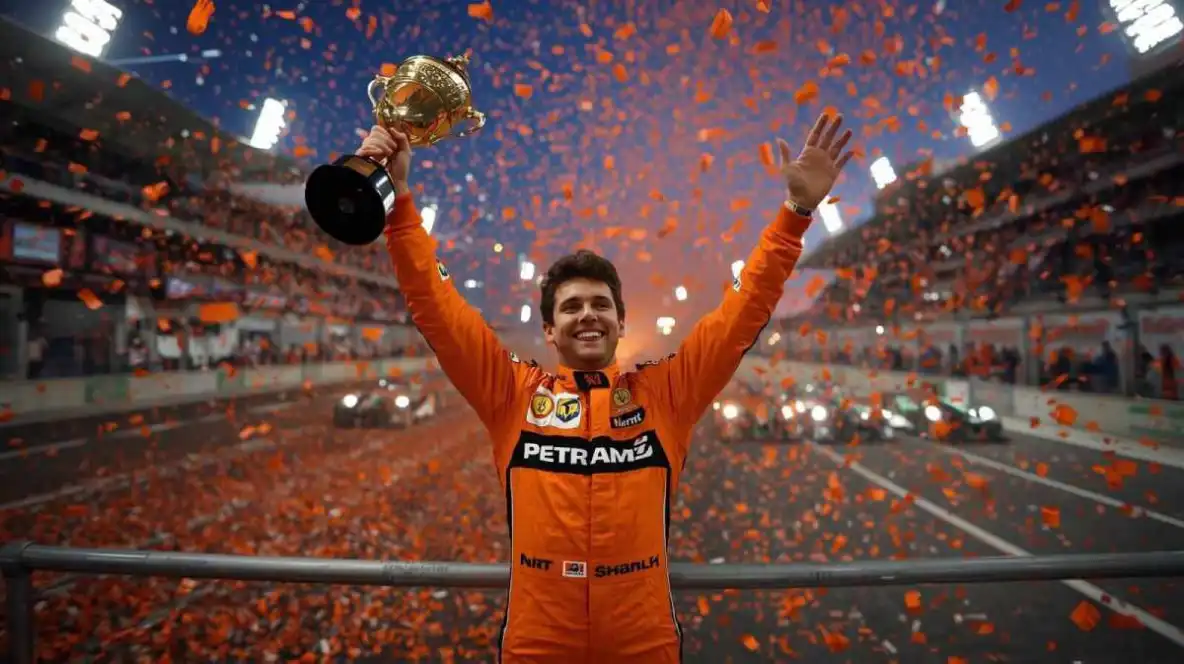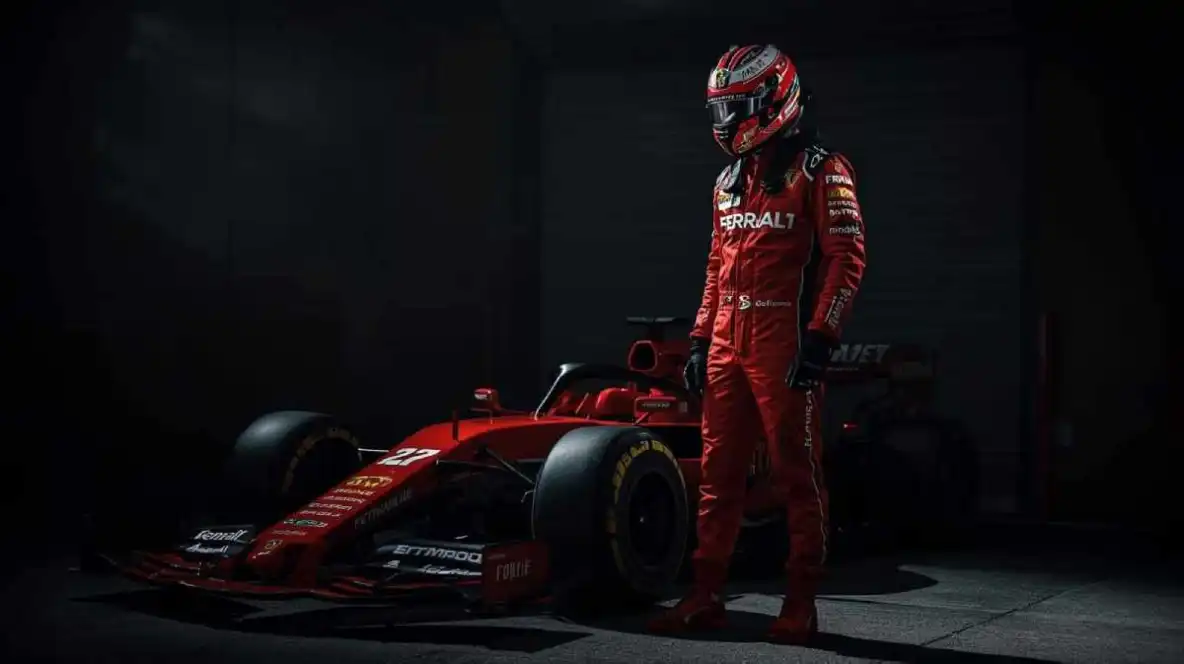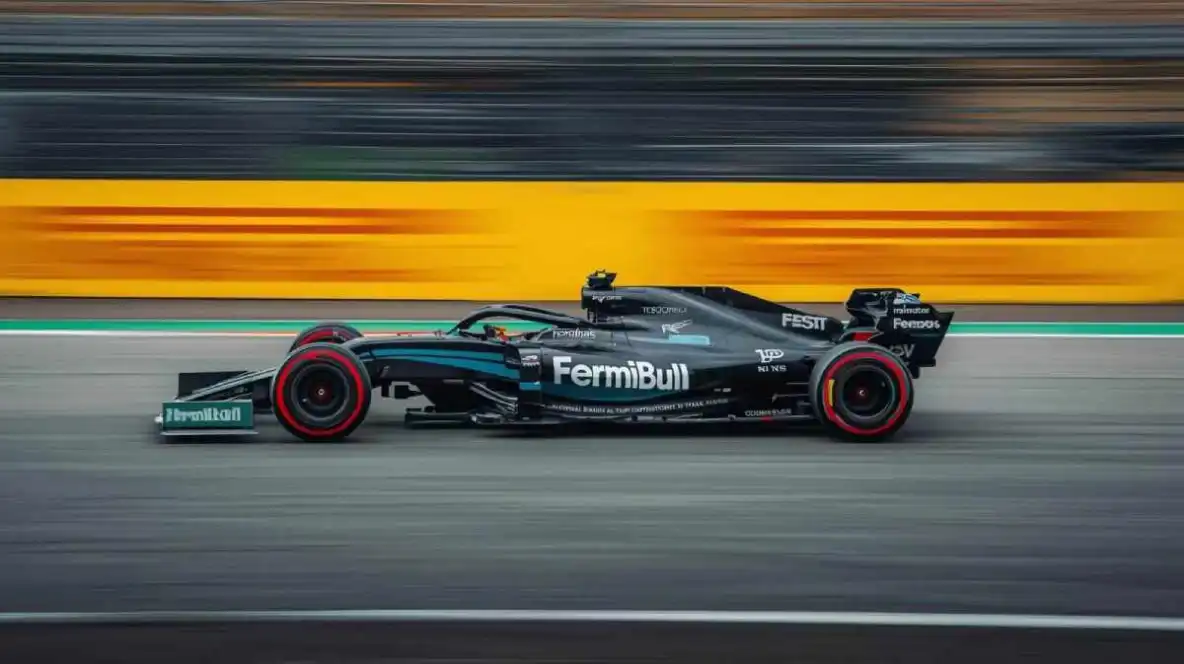
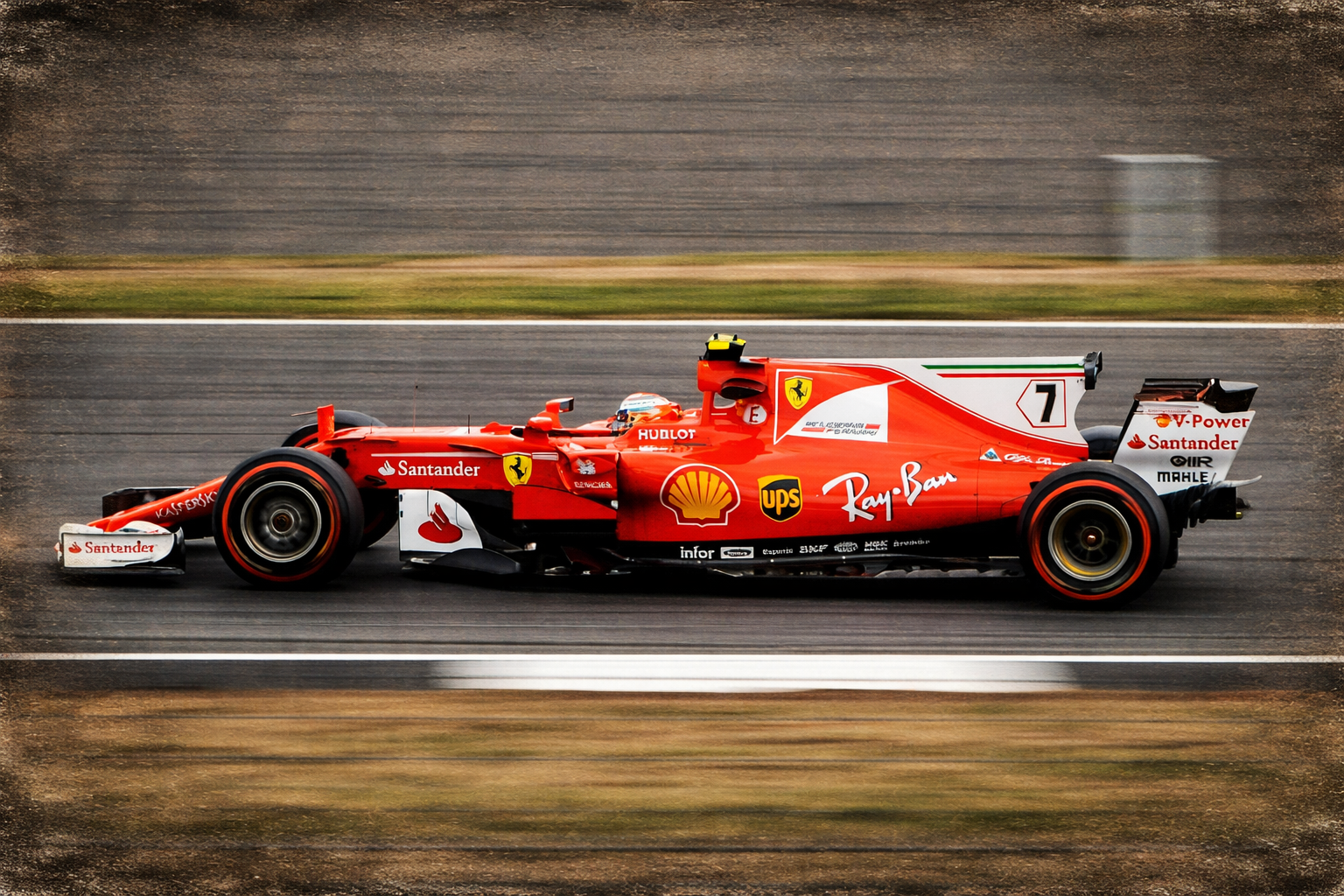
Formula 1 is one of the most popular motorsports in the world, combining speed, technology, strategy, and driver skill at the highest level of racing. Every season features intense rivalries, dramatic overtakes, changing weather conditions, and championship battles that attract millions of fans globally.
For new viewers, motorsport can seem complex at first because races involve far more than simply driving fast. Team strategy, tire management, qualifying sessions, and technical performance all play major roles in deciding who wins on race weekend.
Understanding the basics makes every Grand Prix far more exciting to follow.
The History of motorsport
The sport officially began in 1950 with the launch of the FIA World Championship. Over the decades, the sport evolved from dangerous high-speed racing into one of the most advanced and globally recognized motorsports competitions.
Legendary drivers, iconic teams, and historic rivalries helped shape Formula 1 into the worldwide phenomenon it is today.
Modern Formula 1 now races across multiple continents, with events held in Europe, the Middle East, Asia, North America, and South America.
How a Race Weekend Works
A Grand Prix racing weekend is usually divided into several sessions before the main race takes place on Sunday.
| Session | Purpose |
|---|---|
| Practice Sessions | Teams test car setup and race pace |
| Qualifying | Determines the starting grid |
| Grand Prix | Main race event |
Practice allows drivers and engineers to prepare the car for different track conditions, while qualifying decides the order in which drivers start the race.
The fastest driver in qualifying starts from pole position.
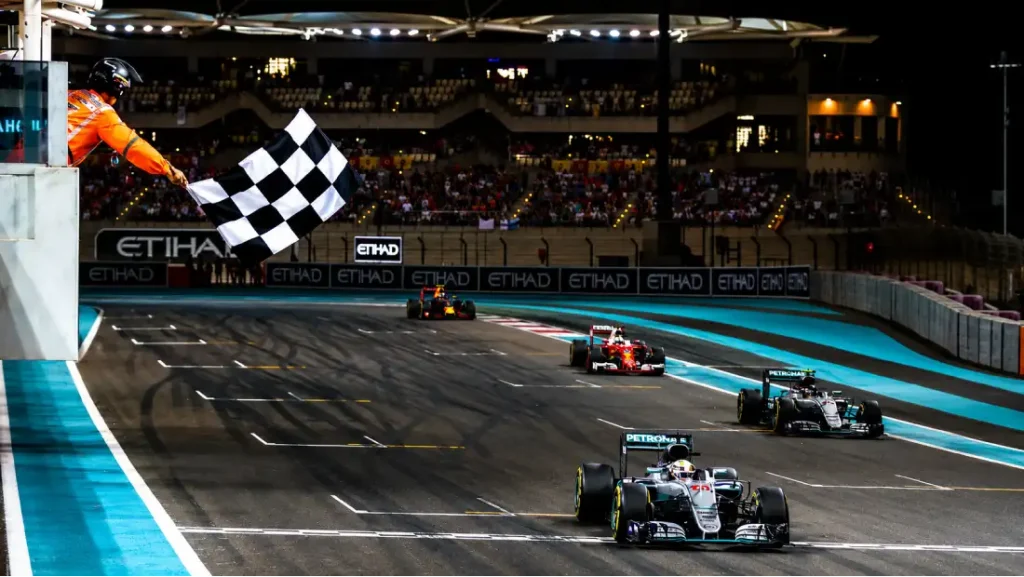
Understanding the Cars
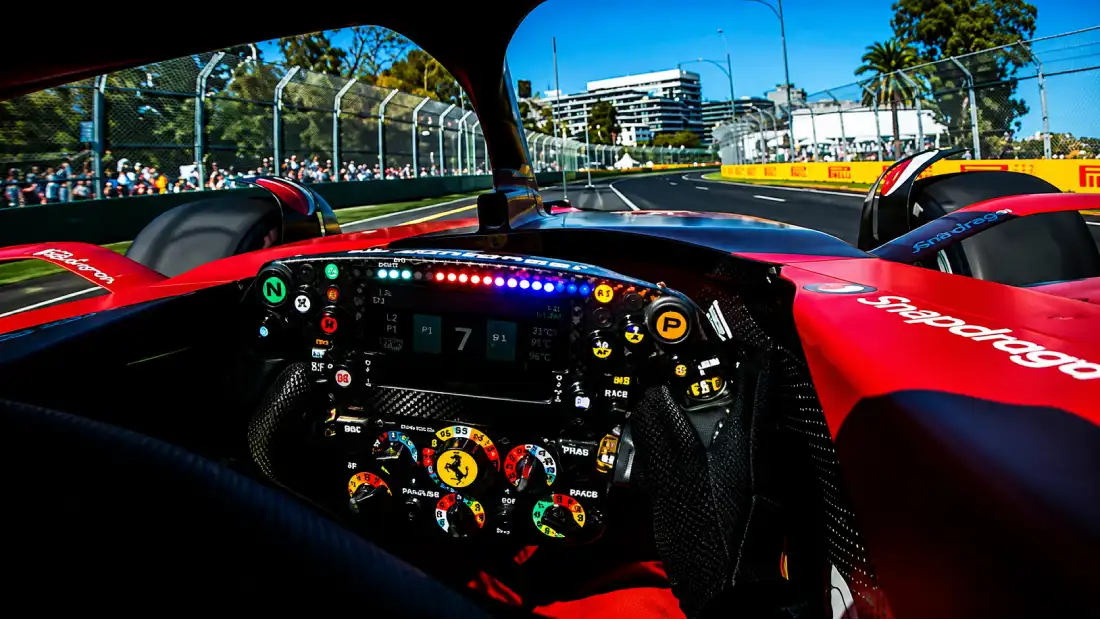
Formula 1 cars are built for maximum speed, aerodynamics, and precision.
Although teams follow strict regulations, every constructor develops its own design philosophy and technical upgrades throughout the season.
Several factors influence performance during a race:
- Aerodynamics
- Tire management
- Engine power
- Braking performance
- Cornering speed
Small improvements can make a major difference over an entire season.
How Points Are Awarded
Drivers and teams collect championship points based on race results.
| Finishing Position | Points |
|---|---|
| 1st | 25 |
| 2nd | 18 |
| 3rd | 15 |
| 4th | 12 |
| 5th | 10 |
Points continue down to tenth position.
The driver with the most points at the end of the season wins the Drivers’ Championship, while the team with the highest combined total wins the Constructors’ Championship.
The Importance of Strategy
Strategy is one of the biggest parts of Formula 1. Teams constantly make decisions during races that can completely change the final result.
Pit stops, tire choices, fuel management, and weather conditions all influence race strategy.
Sometimes a perfect strategy can allow a slower car to beat faster rivals through timing and consistency.
Tire Compounds and Pit Stops
Tire management plays a huge role throughout every race.
| Tire Type | Main Characteristic |
|---|---|
| Soft | Fastest but wears quickly |
| Medium | Balanced performance |
| Hard | Longer durability |
Drivers must manage tire temperatures and wear levels carefully during long race stints.
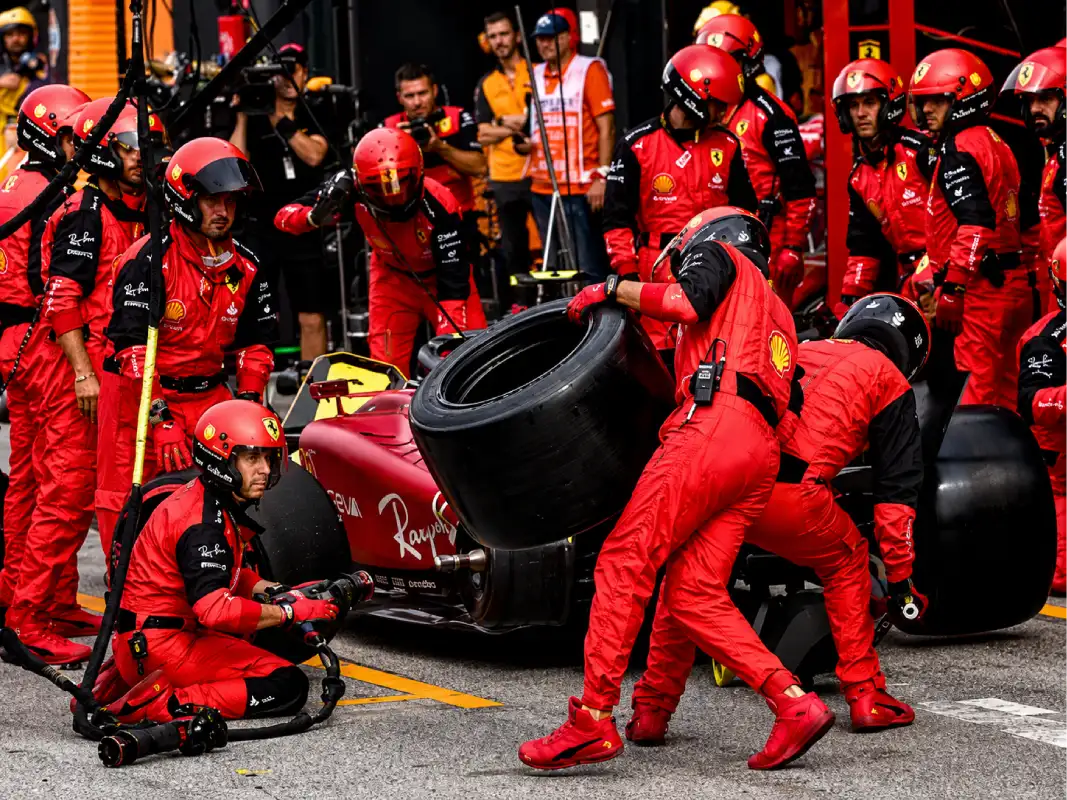
Pit stops are used to change tires and adjust strategy during the race. A well-timed stop can gain valuable track position.
Safety Cars and Weather Conditions
Incidents on track can trigger safety cars or virtual safety car periods. During these situations, drivers must slow down while marshals clear the circuit.
Changing weather conditions also create unpredictable races. Rain can dramatically reduce grip and completely change strategy decisions within minutes.
Wet races are often considered some of the most exciting events of the season.
Teams and Drivers
Formula 1 is both an individual and team sport. Drivers compete against each other for the championship, but teams are responsible for building and developing the cars.
Every team has two drivers, and both results contribute toward the Constructors’ Championship standings.
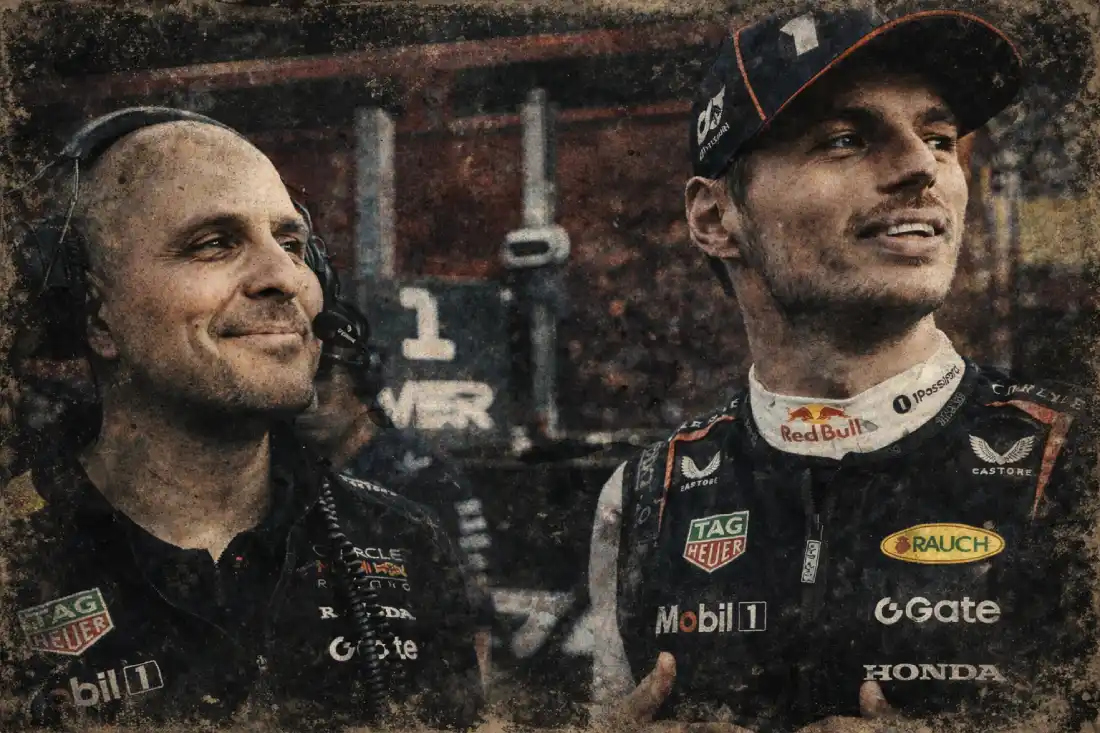
Strong teamwork between drivers, engineers, strategists, and pit crews is essential for success.
Why Grand Prix racing Is So Popular
One reason Formula 1 attracts fans worldwide is the combination of speed, risk, technology, and strategy. Every race weekend brings different track layouts, weather conditions, and tactical decisions.
Championship battles can change quickly, especially during long seasons where consistency becomes just as important as outright speed.
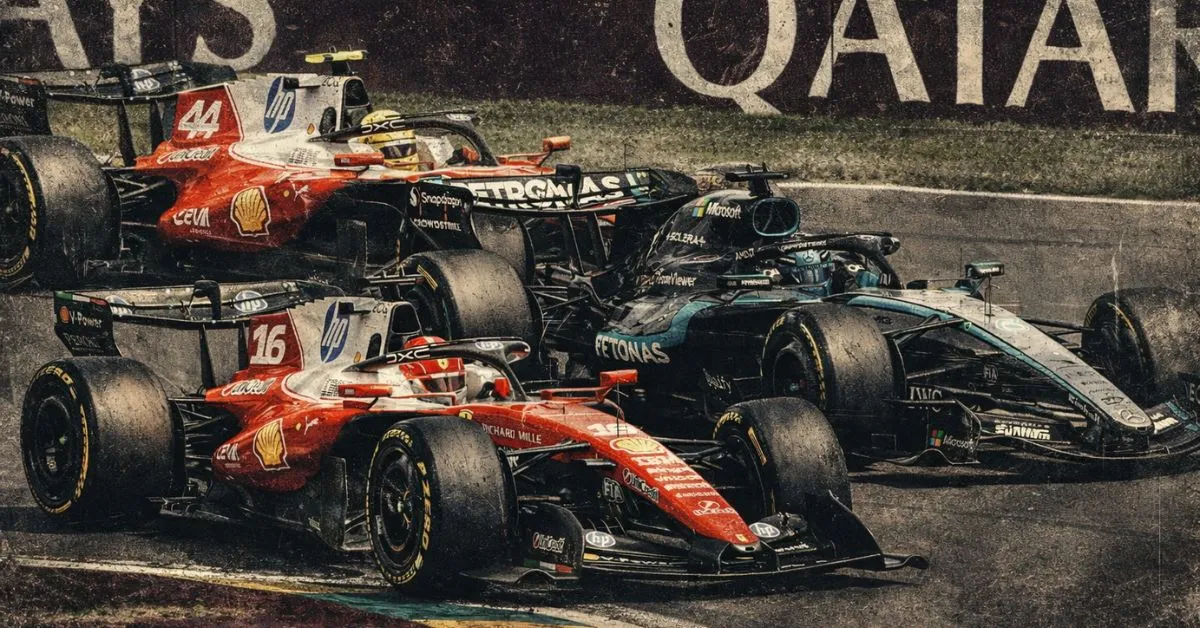
The sport also creates major rivalries, dramatic overtakes, and emotional moments that keep fans engaged throughout the year.