Formula 1’s governing body has signed off on a substantial package of amendments to the F1 2026 regulations, acting on driver complaints about safety and on-track competition after the opening three rounds of the season. The revised rules take effect at the Miami Grand Prix on May 1-3, the second Sprint weekend of the year.
A virtual summit held on Monday brought together the FIA, Formula One Management, team principals and the CEOs of every power unit manufacturer. The outcome: a coordinated set of adjustments aimed at encouraging more aggressive driving, cutting back on excessive energy harvesting and closing several safety gaps that have emerged since the new technical rulebook came into force.
Why the F1 2026 Regulations Needed Adjusting
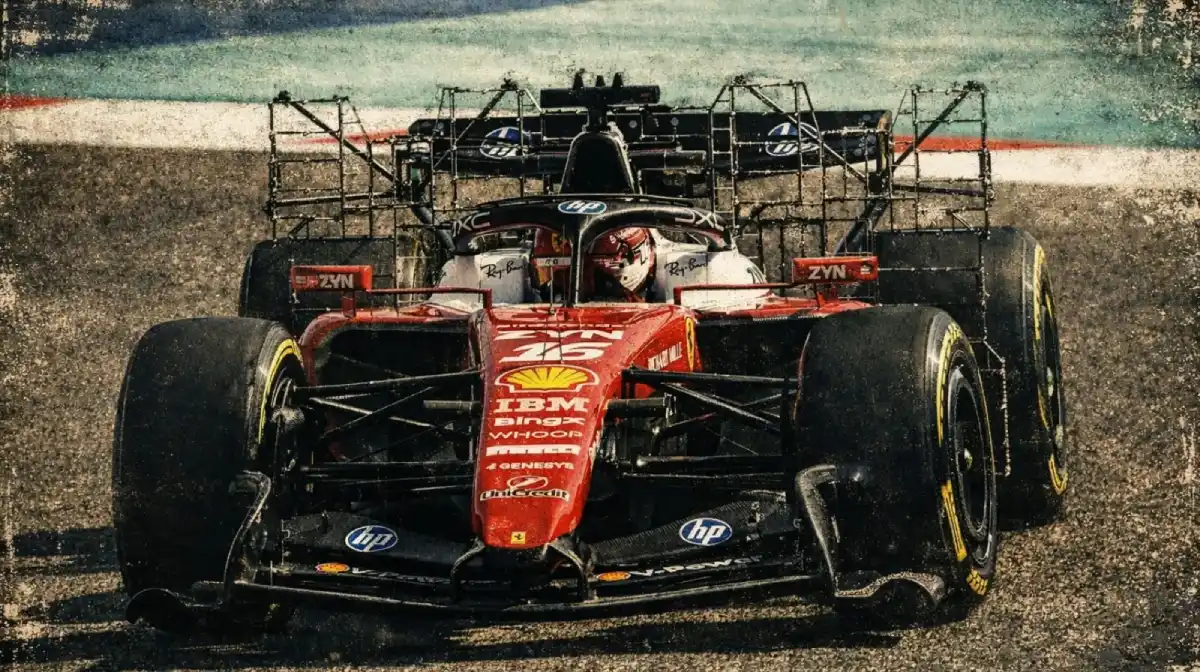
The 2026 technical reset is widely regarded as the most ambitious overhaul Formula 1 has ever attempted. A completely new chassis philosophy, combined with power units that now split propulsion equally between the internal combustion engine and the electrical system, has redrawn the performance map for every team on the grid.
That transition hasn’t been smooth. Drivers have spent the first three rounds wrestling with aggressive energy management demands, forcing them to lift and coast far more than they would prefer and creating uncomfortable closing-speed gaps between cars on the same lap.
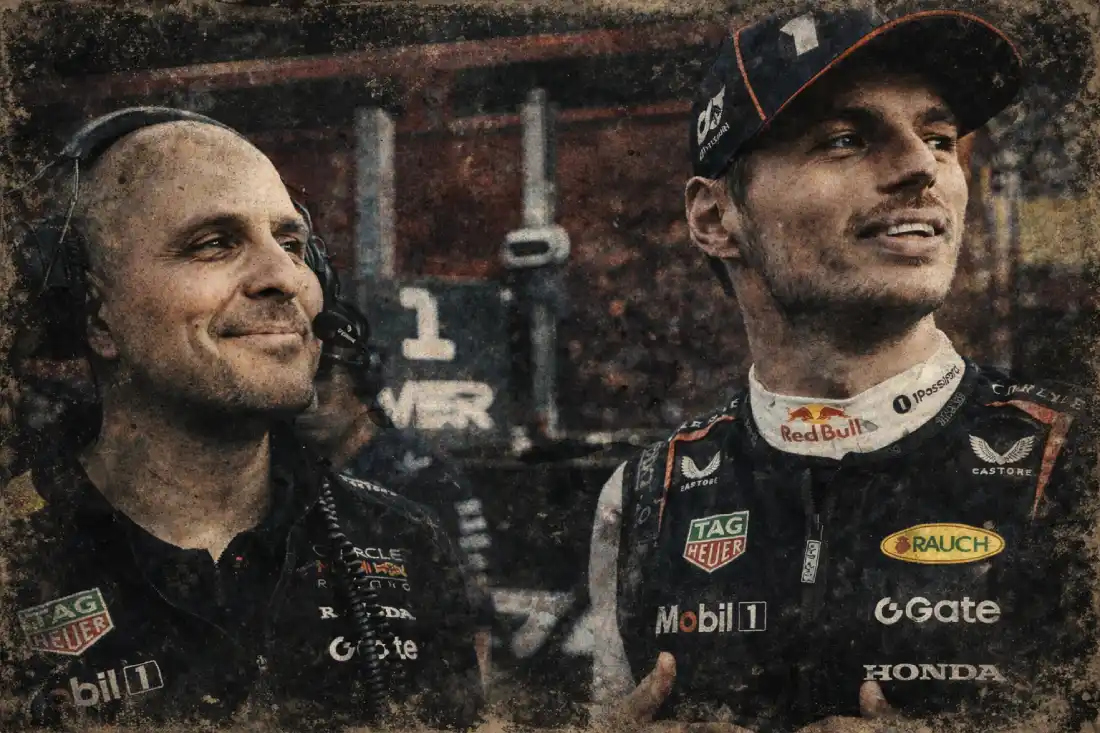
Two incidents accelerated the pressure for change. Haas rookie Oliver Bearman suffered a heavy accident at the Japanese Grand Prix, triggered in part by the velocity differential between his car and the one ahead of him. Separately, four-time world champion Max Verstappen has voiced sharp criticism of the racing product, going as far as to hint that his long-term future in the sport could depend on how the rulebook evolves.
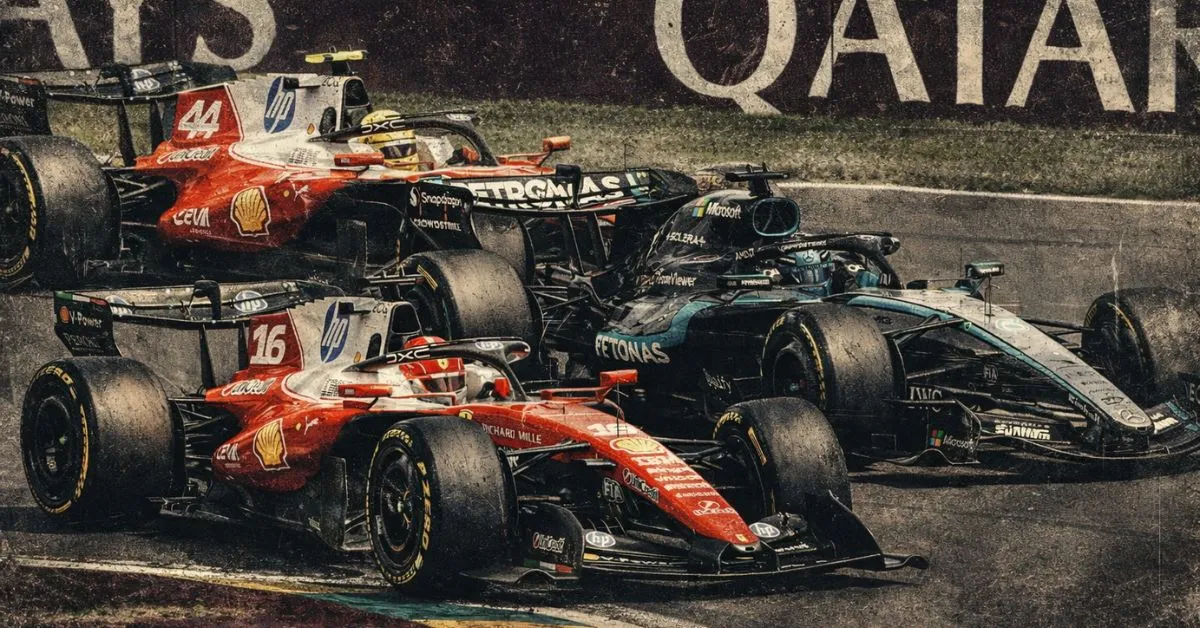
Not every reaction has been negative. Several drivers, including seven-time champion Lewis Hamilton, have described the wheel-to-wheel battles under the new formula as some of the most enjoyable of their careers. The FIA has drawn on feedback from across that spectrum, along with telemetry data from the first three rounds, to shape the revisions.
An extended break in the calendar, caused by the cancellation of the Bahrain and Saudi Arabian rounds due to regional conflict, gave the governing body a rare window to consult drivers and finalise technical changes before racing resumes.
Qualifying: Less Lifting, More Attacking
The most visible changes will arrive in qualifying, where drivers have been spending too much of their flying lap managing battery state rather than chasing time.
The maximum permitted recharge has been cut from 8MJ to 7MJ, a move designed to discourage excessive harvesting and push drivers closer to a genuine flat-out effort. As a direct consequence, the so-called superclip, the short burst of reduced power that drivers have to absorb while the battery recovers, should now last only two to four seconds per lap rather than stretching across longer sections of a circuit.
Peak superclip power has also been lifted sharply, jumping from 250kW to 350kW. A higher ceiling means the recharge phase completes faster, reducing the mental load on drivers and freeing them to focus on extracting lap time. That same 350kW peak will apply in race conditions as well.
The FIA has also widened the list of circuits where alternative, lower energy limits can apply. What was previously capped at eight events has been expanded to twelve, giving the sport more flexibility to tailor the rulebook to the specific demands of individual tracks.
Race Day: Capping the Boost, Protecting the Speed Delta
Race conditions bring their own set of refinements, most of them aimed at controlling the dramatic speed differentials that have unsettled drivers during the opening races.
The maximum power available through the Boost function during a Grand Prix has been fixed at a ceiling of +150kW above a car’s baseline, or the car’s current output at the moment of activation if that figure is already higher. The intent is simple: prevent the kind of sudden, outsized performance surges that have made racing in close company feel unpredictable.
MGU-K deployment has also been zoned. Drivers will still have access to the full 350kW in the critical acceleration phases, from corner exit through to the next braking point and across recognised overtaking zones. Elsewhere on the lap, deployment will be capped at 250kW. The logic behind the split is to preserve genuine overtaking opportunities while ensuring cars don’t close on each other at unsafe speeds in sections where passing isn’t realistic.
Race Starts: A New Safety Net for the Grid
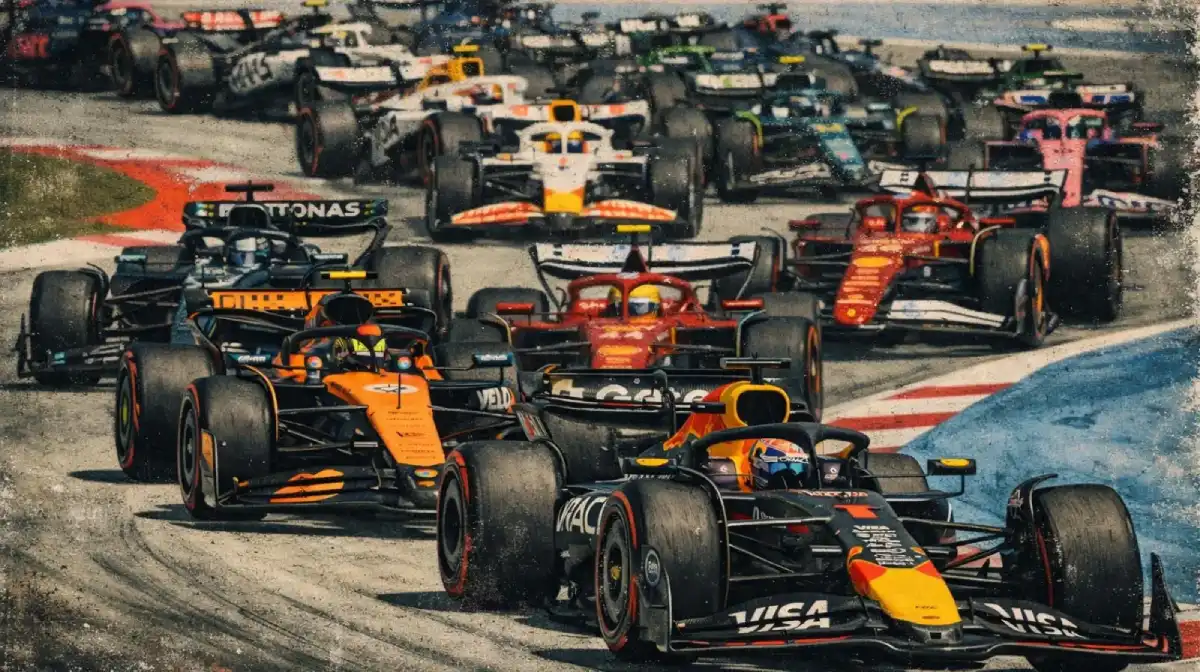
Race starts have received particular attention after a series of near-misses earlier in the season, most notably the incident involving Franco Colapinto and Liam Lawson.
A new low power start detection system will be introduced, capable of flagging cars that fail to accelerate normally in the seconds after clutch release. When the system detects such a scenario, it will automatically trigger MGU-K deployment at a minimum threshold, dragging the stricken car up to a safer speed without giving anyone a competitive edge.
Paired with this, affected cars will now activate a flashing light system on both the rear and sides of the bodywork, warning drivers behind that they are closing on a compromised car. The FIA has also corrected a timing inconsistency in the energy counter, which will now reset at the start of the formation lap rather than at a slightly offset point.
Wet Weather: Rebalancing the Intermediate Tyre and ERS
Running in the rain has been one of the most contentious aspects of the new formula, and the FIA has addressed several complaints in one package.
Tyre blanket temperatures for the intermediate compound are being raised, a change driven directly by driver feedback. The goal is better initial grip when cars rejoin after a stop or when conditions shift mid-session, reducing the window of vulnerability on cold rubber.
Maximum ERS deployment will also be reduced in wet conditions, trimming peak torque and making the cars noticeably easier to handle when grip is at a premium. Finally, the rear light systems fitted to the cars have been simplified, with clearer signal patterns designed to help following drivers read the situation ahead of them through spray and poor visibility.
What It Means for the Miami Grand Prix
All of these adjustments still require formal sign-off from the World Motor Sport Council, though that step is expected to be a procedural one rather than a genuine obstacle. Assuming ratification goes through as anticipated, the revised rulebook will be in force when teams arrive in Miami for the Sprint weekend.
The Florida round now carries additional significance beyond the championship points on offer. It becomes the first real test of whether the FIA has struck the right balance between safety, driver enjoyment and the raw spectacle that Formula 1 depends on commercially. With a Sprint race, full qualifying and a Grand Prix all compressed into a single weekend, the changes will be examined across every possible session format.
Expect sharper outlaps, shorter lifting phases, cleaner starts and more closely matched cars in the overtaking zones. If the adjustments land as intended, Miami could mark the moment the 2026 era finally hits its stride.