

Tennis is one of the most followed sports in the world, bringing together speed, precision, endurance, and mental focus. From local courts to packed Grand Slam stadiums, the game attracts millions of fans every year.
Whether you are new to the sport or already follow major tournaments, understanding the basics makes every match more enjoyable to watch. From scoring rules to famous tournaments and player rankings, there are many elements that shape the modern game.
How the Sport Began
The modern version of the game developed in England during the late 19th century, although similar racket sports existed long before that. Over time, it spread across Europe, the United States, and many other parts of the world.
As international competitions became more organized, professional tours and major championships helped turn it into a global attraction. Legendary rivalries and unforgettable finals also played a major role in its worldwide growth.
Today, players compete year-round in tournaments held across different countries and surfaces.
How Matches Work
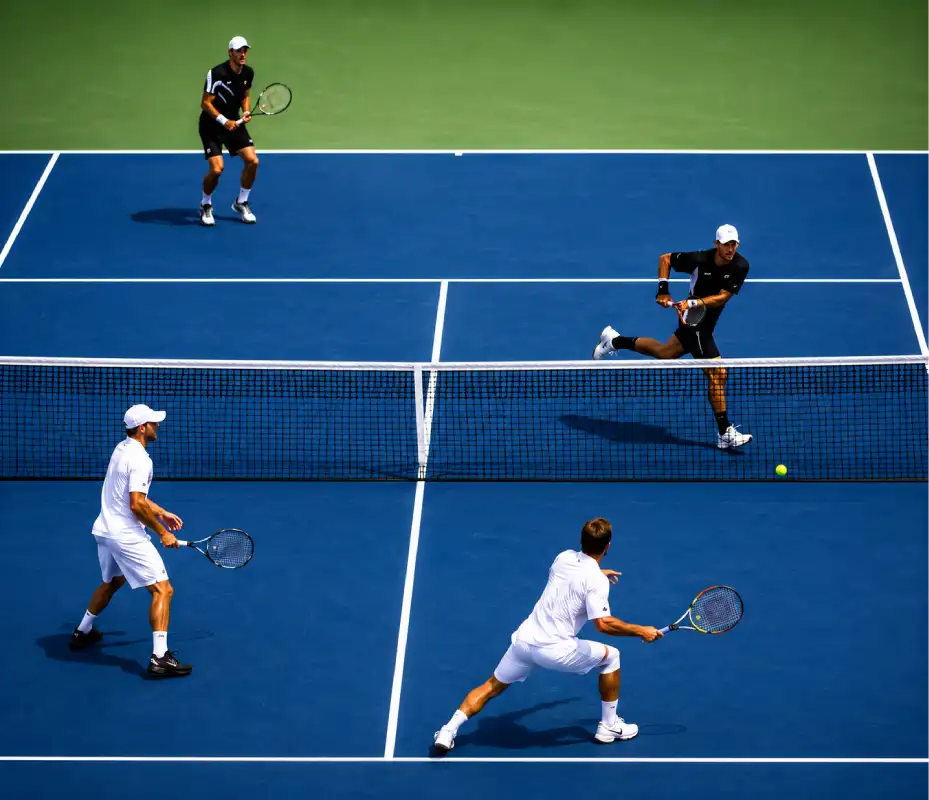
Matches can be played in singles format with one player on each side or doubles format with two-player teams.
The goal is simple: hit the ball over the net and win points by forcing mistakes or hitting shots the opponent cannot return.
Professional matches are divided into sets, and sets are made up of games.
Understanding the Scoring System
The scoring format is different from most sports.
Points are counted as:
- 15
- 30
- 40
- Game
If both players reach 40, the score becomes “deuce.” A player must then win two consecutive points to secure the game.
Most professional matches are played as best-of-three sets, while some major men’s events use a best-of-five format.
Serving and Returning
The serve is one of the most important shots in the game. Strong servers can control points early and put pressure on opponents immediately.
At the same time, returning serves is equally important. Great return players can quickly turn defense into attack and create opportunities during key moments.
Many close matches are decided by only a few important points.
Different Court Surfaces
Professional events are played on three main surfaces, and each one changes the style of play.
Hard Courts
Hard courts offer a balanced playing experience with medium speed and bounce.
Clay Courts
Clay slows the ball down and creates longer rallies. Movement, patience, and stamina become extremely important.
Grass Courts
Grass is the fastest surface. Points are often shorter, and strong serving becomes even more valuable.
Different surfaces can completely change how players perform throughout the season.
The Biggest Tournaments
The four Grand Slam events are considered the most prestigious competitions in the sport.
These include:
- Australian Open
- French Open
- Wimbledon
- US Open
Winning one of these titles is considered one of the highest achievements for any player.
Each tournament has its own traditions, atmosphere, and playing conditions.
Rankings and Player Progress
Professional players earn ranking points based on tournament performances throughout the season.
Strong results help players climb the rankings and improve their position in future events.
The ATP rankings are used for the men’s tour, while the WTA rankings are used for the women’s tour.
Singles and Doubles
Singles matches focus heavily on movement, endurance, and individual tactics. Players must cover the entire court on their own.
Doubles adds teamwork and communication into the match. Fast reactions and coordinated positioning become much more important.
Both formats require different approaches and strengths.
Why Fans Love the Game
One reason the sport remains so popular is the balance between physical ability and mental strength. Momentum can shift quickly, and even small mistakes can completely change a match.
Long rallies, dramatic tie-breaks, and comeback victories create excitement that keeps fans engaged throughout the year.
With tournaments happening almost every week, there is always something new for fans to follow.