Baseball can look slow until you understand what’s happening between pitches. Why is there a runner on second base in the tenth inning? What counts as a strike if the batter didn’t swing? Why do foul balls sometimes count and sometimes not? Why does the manager keep pulling pitchers?
Every one of those questions has a clear answer. The rules of baseball are written and maintained by Major League Baseball’s Office of the Commissioner. The Official Baseball Rules document runs to over 200 pages.
This guide walks through baseball rules and regulations in plain language. You will learn how a game works, how teams score, what the count actually means, and how MLB and international baseball competitions are structured.
A Game Without a Clock
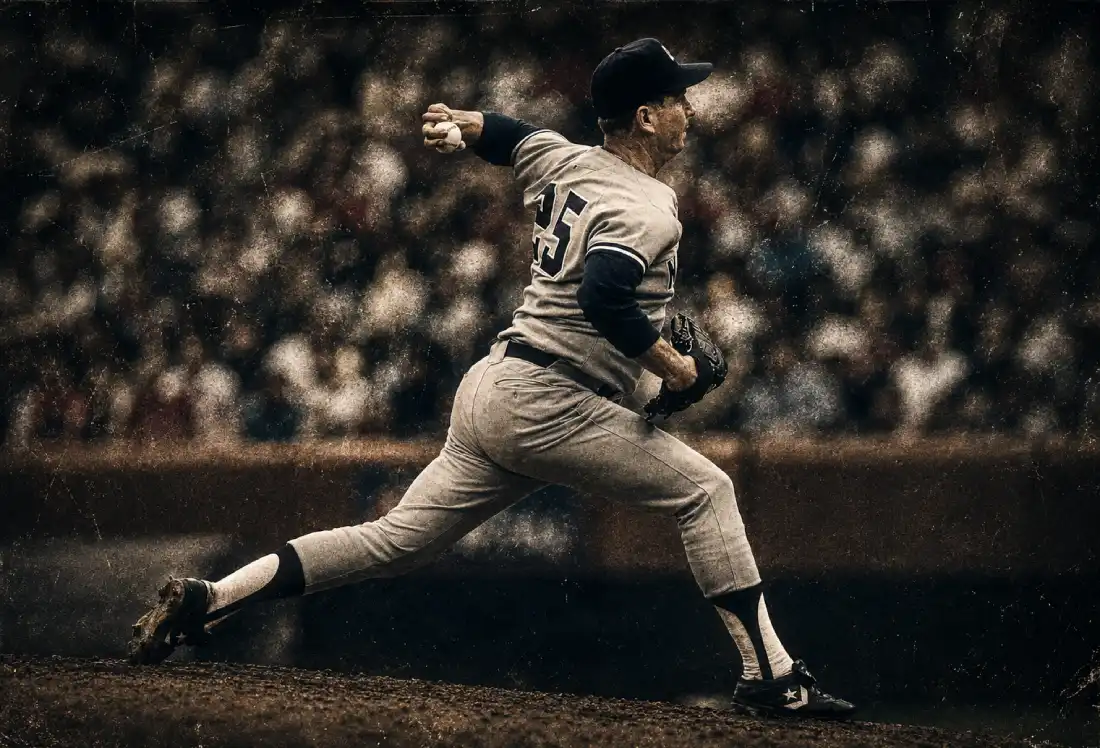
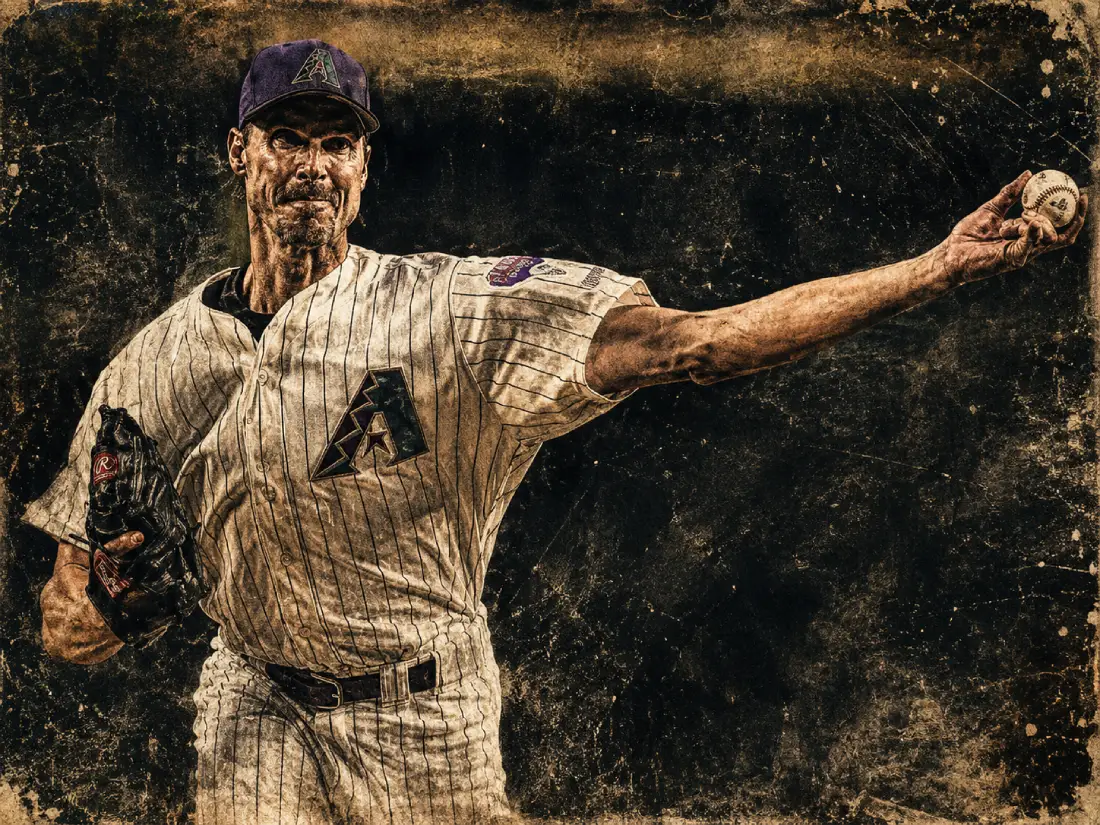
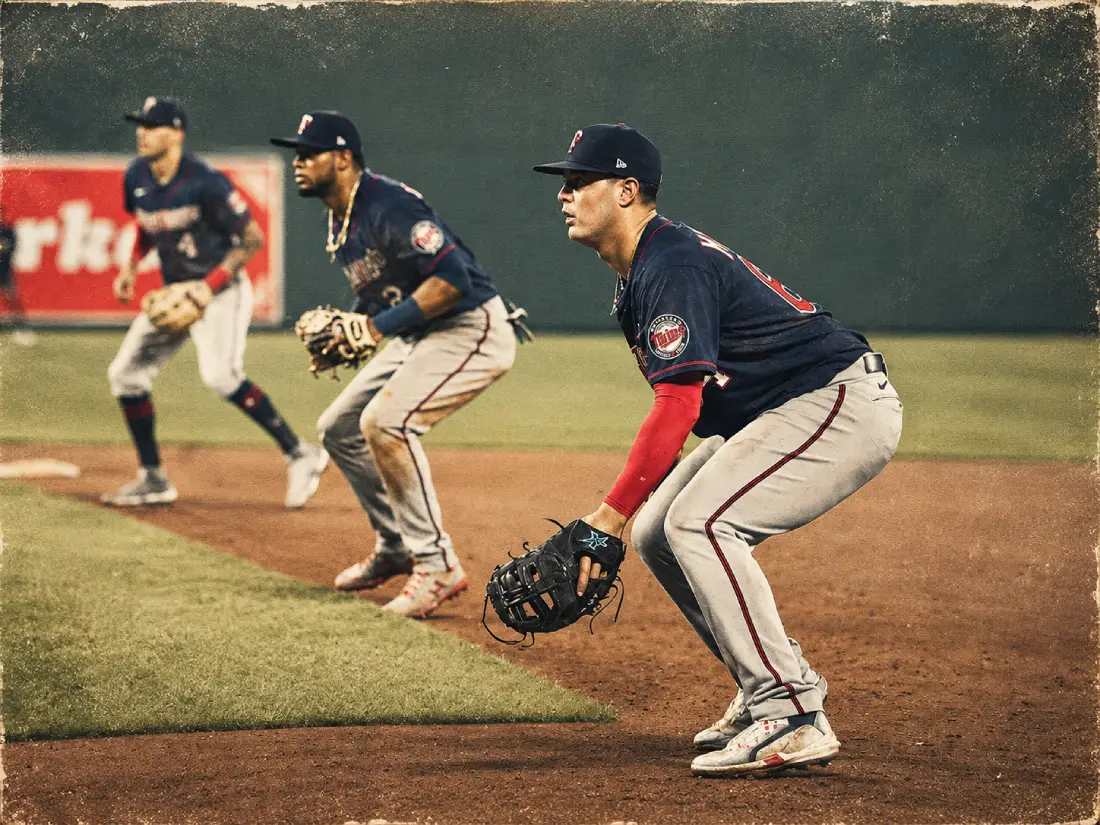
A baseball game is played between two teams of nine position players each. Nine defenders take the field. The pitcher and catcher form the battery. Four infielders cover first, second, shortstop, and third. Three outfielders patrol left, center, and right. The team at bat sends one hitter at a time to face the pitcher.
A standard baseball game has nine innings. Each inning is divided into two halves. The visiting team bats in the top half. The home team bats in the bottom half. A half-inning ends when the defense records three outs.
Baseball is one of the only major sports without a clock. The action stops only between pitches, between innings, and during conferences on the mound. A game ends only when a winner exists. If the score is tied after nine innings, the teams keep playing.
The field is a diamond with bases set 90 feet apart and a pitcher’s mound 60 feet 6 inches from home plate. Outfield walls vary by ballpark. Fenway Park’s Green Monster, Wrigley Field’s ivy, and Oracle Park’s McCovey Cove all sit at different distances. That variability is one reason home run totals differ across stadiums.
How Baseball Scoring Works
The scoring is simple. A run scores when a runner safely touches home plate after legally advancing through first, second, and third base. One run equals one point. The team with more runs at the end of the game wins. There are no half-runs, no bonus scoring, and no draws.
The Count: Balls, Strikes, and the Strike Zone
Baseball is a game of stats. This may be the reason why it can have the reputation of being a complicated sport. Perhaps the most popular stat in this “king of sports” is what happens on the plate. Every plate appearance is built on the count.
A strike is called for three reasons: a pitch through the strike zone, a swing and miss, or a foul ball before two strikes. A ball is any pitch outside the strike zone that the batter does not swing at.
Three strikes is a strikeout. The batter is out. Four balls is a walk. The batter advances to first base for free.
The strike zone is a 3D rectangle above home plate. Its width matches the 17-inch width of the plate. Its top runs from the midpoint between the batter’s shoulders and the top of the uniform pants. Its bottom sits at the hollow of the kneecap. The zone adjusts for each batter’s height and stance.
Major League Baseball uses an Automated Ball-Strike Challenge System to review umpire calls. Each team gets two challenges per game. Only the batter, pitcher, or catcher can initiate one. Successful challenges are retained. Failed challenges are lost. Hawk-Eye cameras track every pitch and confirm or overturn the call within seconds.
How Outs Work in Baseball
Three outs end a half-inning. The defense records outs in several ways.
| Type of Out | How It Happens |
|---|---|
| Strikeout | The batter accumulates three strikes |
| Caught fly ball | A defender catches a hit ball before it touches the ground |
| Force out | A defender steps on a base before a runner forced to advance arrives |
| Tag out | A defender touches a runner with the ball while the runner is off a base |
| Foul out | A defender catches a foul ball before it lands |
A foul ball counts as a strike unless the batter already has two strikes. After two strikes, foul balls keep the at-bat alive, which is why a single plate appearance can stretch to ten or more pitches.
Baseball Pitching Rules and the Pitch Clock
MLB uses a pitch clock to keep games moving. Pitchers have 15 seconds to deliver the next pitch with the bases empty and 18 seconds with runners on base. Batters must be in the box and ready by the eight-second mark. A pitcher who violates the clock is charged an automatic ball. A batter who violates it gets an automatic strike.
Pitchers come and go often during a game. A starting pitcher might throw five to seven innings before a manager calls in relief. By the late innings, specialized relievers handle specific matchups, usually finishing with a closer in the ninth. Defensive positioning also follows a rule: two infielders must be set on each side of second base when the pitch is thrown.
Extra Innings and the Ghost Runner
If a game is tied after nine innings, each half-inning of extra play begins with a runner on second base. The runner is the player who made the last out in the previous inning. The rule, sometimes called the ghost runner, speeds up games that would otherwise stretch across hours of stalemate.
From the Regular Season to the World Series
MLB and the 162-Game Season
Major League Baseball, known as MLB, is the world’s top professional baseball league. The MLB regular season runs from late March through September. Each team plays 162 games. Teams are split into the American League and the National League, each divided into three divisions of five teams.
After the regular season, the top six teams from each league qualify for the postseason.
Top Leagues Around the World
Baseball is played at a serious professional level on every continent except Antarctica, but its geography is uneven. Two regions dominate: North America and East Asia.
| Region | Top Professional Leagues |
|---|---|
| North America | Major League Baseball (USA/Canada), Liga Mexicana de Béisbol (Mexico) |
| East Asia | Nippon Professional Baseball (Japan), KBO League (South Korea), CPBL (Taiwan) |
| Latin America / Caribbean | Cuban National Series, Liga Dominicana de Béisbol, Liga Venezolana de Béisbol |
| Oceania | Australian Baseball League |
| Europe | Italian Baseball League, Dutch Hoofdklasse |
The Postseason, the World Series, and International Play
The MLB postseason runs through October. The first round is the Wild Card Series, a best-of-three matchup between the lower seeds. Winners advance to the Division Series, then to the League Championship Series. The American League and National League champions meet in the World Series, a best-of-seven championship round. The first team to win four games wins the title and the Commissioner’s Trophy.
International baseball runs on a separate calendar. The World Baseball Classic, known as the WBC, is the top international tournament. Twenty national teams compete every four years. Japan, the United States, the Dominican Republic, Cuba, and Venezuela are the historic powers.
Baseball was an Olympic sport from 1992 to 2008. It returned for the 2020 Tokyo Games, was dropped again for Paris 2024, and returns for Los Angeles 2028. The WBSC Premier12 brings together the world’s top twelve baseball nations on a four-year cycle. The Caribbean Series is the marquee winter event in Latin American baseball. It is played each February between the winter league champions of the Dominican Republic, Mexico, Puerto Rico, Venezuela, and others.
| Competition | Organizer | Type | Frequency |
|---|---|---|---|
| World Series | MLB | Club championship | Annual |
| MLB All-Star Game | MLB | Exhibition | Annual |
| Japan Series | NPB | Club championship | Annual |
| Korean Series | KBO | Club championship | Annual |
| World Baseball Classic | WBSC | National teams | Every 4 years |
| WBSC Premier12 | WBSC | National teams | Every 4 years |
| Caribbean Series | Caribbean Baseball Confederation | Club championship | Annual |
| Olympic Baseball | IOC | National teams | When included |
The Game in the Details
Baseball’s rule book is detailed because the game is detailed. A runner on third with one out. A 3-2 count in the eighth inning. The closer warming up in the bullpen. Every situation calls for a specific response from both teams, and every pitch can change the math.