Whether you are new to mixed martial arts or already follow every fight night, this guide covers the history of the UFC, how fights are scored, the main rules inside the cage, and the latest news shaping the sport today.
UFC Rules and History Guide
The UFC has grown from a niche combat event into one of the biggest sports brands in the world. Today, millions of fans follow fights every year, from rising prospects to championship main events watched globally. Mixed martial arts combines striking, wrestling, grappling, and submissions into one competitive sport that rewards timing, discipline, and adaptability.
For new fans, the sport can seem overwhelming at first. Once you understand the basic rules and how the competition evolved, it becomes much easier to follow the action and appreciate the tactics behind every fight.
How It All Started
The Ultimate Fighting Championship was founded in 1993 in the United States. The original concept was built around one simple question: which martial art works best in a real fight?
Early events looked very different from modern MMA. Fighters usually represented a single discipline such as boxing, karate, wrestling, kickboxing, or Brazilian jiu-jitsu. There were very few rules, no official weight classes, and limited safety regulations.
The sport quickly attracted attention because of its raw and unpredictable nature. As popularity increased, organizers introduced more structure to improve safety and professionalism.
Weight divisions, timed rounds, medical checks, and referee protections eventually became standard. Over time, mixed martial arts transformed from a controversial spectacle into a globally recognized sport.
The Evolution of Modern MMA
During the 2000s, fighters began training in multiple disciplines instead of focusing on only one style. This changed the sport completely.
Modern athletes now combine striking, wrestling, grappling, cardio training, and fight strategy into their preparation. Fighters are expected to be dangerous both on the feet and on the ground.
Training camps also became more advanced. Nutrition, recovery, sports science, and conditioning now play a major role in fight preparation.
Today, athletes from all over the world compete at the highest level, making MMA one of the fastest-growing sports internationally.
How Fights Work
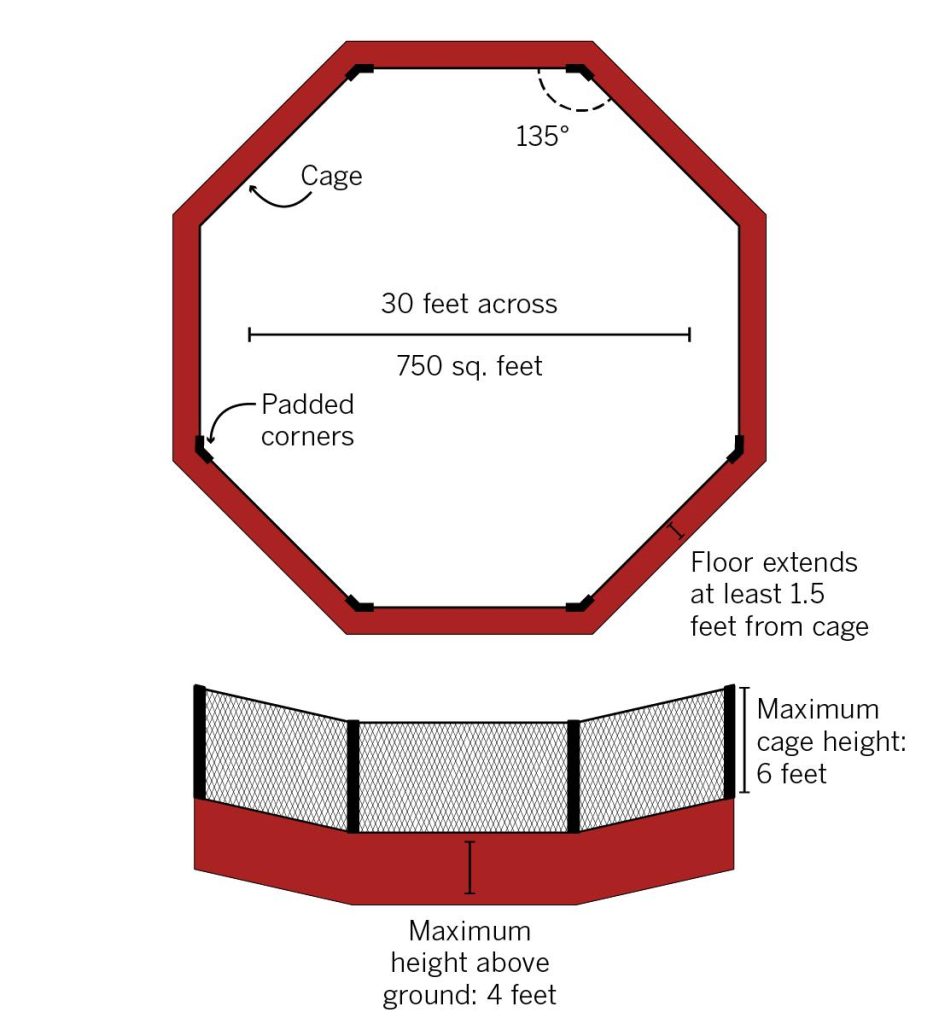
Fights take place inside an eight-sided cage called the Octagon. The cage keeps fighters safe while allowing freedom of movement during exchanges.
Most fights are scheduled for three rounds, with each round lasting five minutes. Championship fights and major main events are usually five rounds long.
There is a one-minute break between rounds where coaches can give advice and fighters can recover.
A referee stays inside the cage to manage the action and step in if necessary.
Weight Divisions
Competitors fight in specific MMA weight classes to ensure fair matchups.
Some of the most recognized divisions include:
- Flyweight
- Bantamweight
- Featherweight
- Lightweight
- Welterweight
- Middleweight
- Light Heavyweight
- Heavyweight
Before an event, fighters must complete an official weigh-in. Missing weight can lead to penalties or changes to the fight agreement.
Ways to Win
There are several ways a fight can end.
Knockout
A knockout happens when a fighter is unable to continue after being struck.
Technical Knockout
A TKO occurs when the referee stops the fight because a fighter can no longer defend themselves properly.
Submission
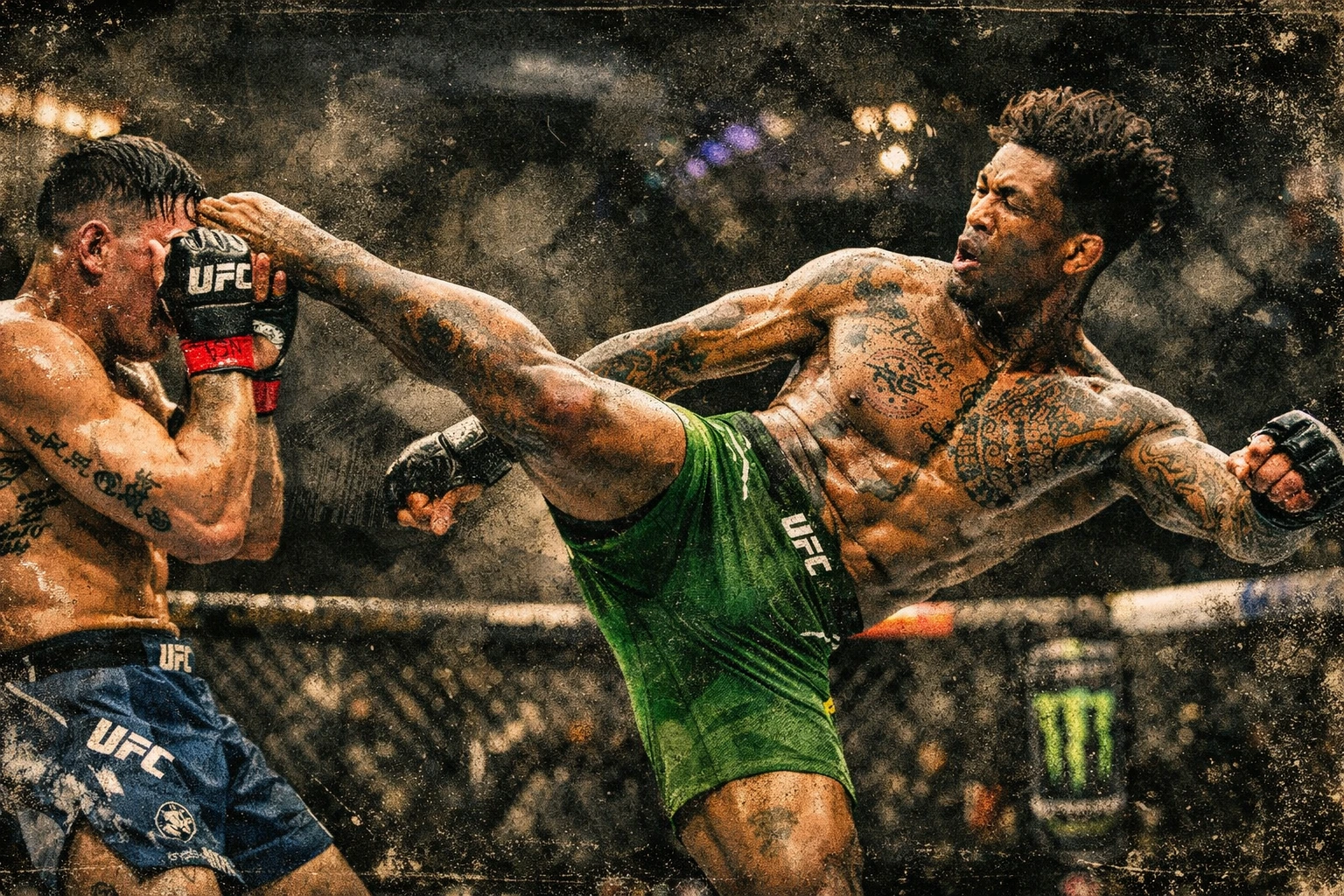
A submission victory happens when a fighter forces their opponent to tap out using a choke or joint lock.
Judges’ Decision
If the fight reaches the end of all scheduled rounds, judges decide the winner based on overall performance, effective striking, control, and aggression. The full breakdown of how MMA scoring works covers the 10-point must system, unanimous and split decisions, and what judges look for in each round.
Important Rules
Modern MMA follows a unified rule system designed to protect fighters and maintain fair competition.
Illegal actions include:
- Eye pokes
- Biting
- Headbutts
- Groin strikes
- Attacks to the back of the head
- Small joint manipulation
Referees can issue warnings, deduct points, or stop the fight if rules are broken.
Fighting Styles Inside the Cage
One of the biggest reasons MMA became so popular is the variety of fighting styles involved.
Some athletes rely heavily on striking and movement, while others focus on wrestling pressure or submission grappling. Many fighters build their game around blending different techniques together.
The most successful competitors are usually those who can adapt during a fight and stay dangerous in every position.
The Sport Today
Modern MMA events attract huge audiences around the world. Major fight nights regularly sell out arenas and generate millions of online viewers.
The sport continues to evolve every year as athletes become faster, more technical, and better prepared. Fans are drawn to the combination of athleticism, strategy, and unpredictability that makes every fight unique.