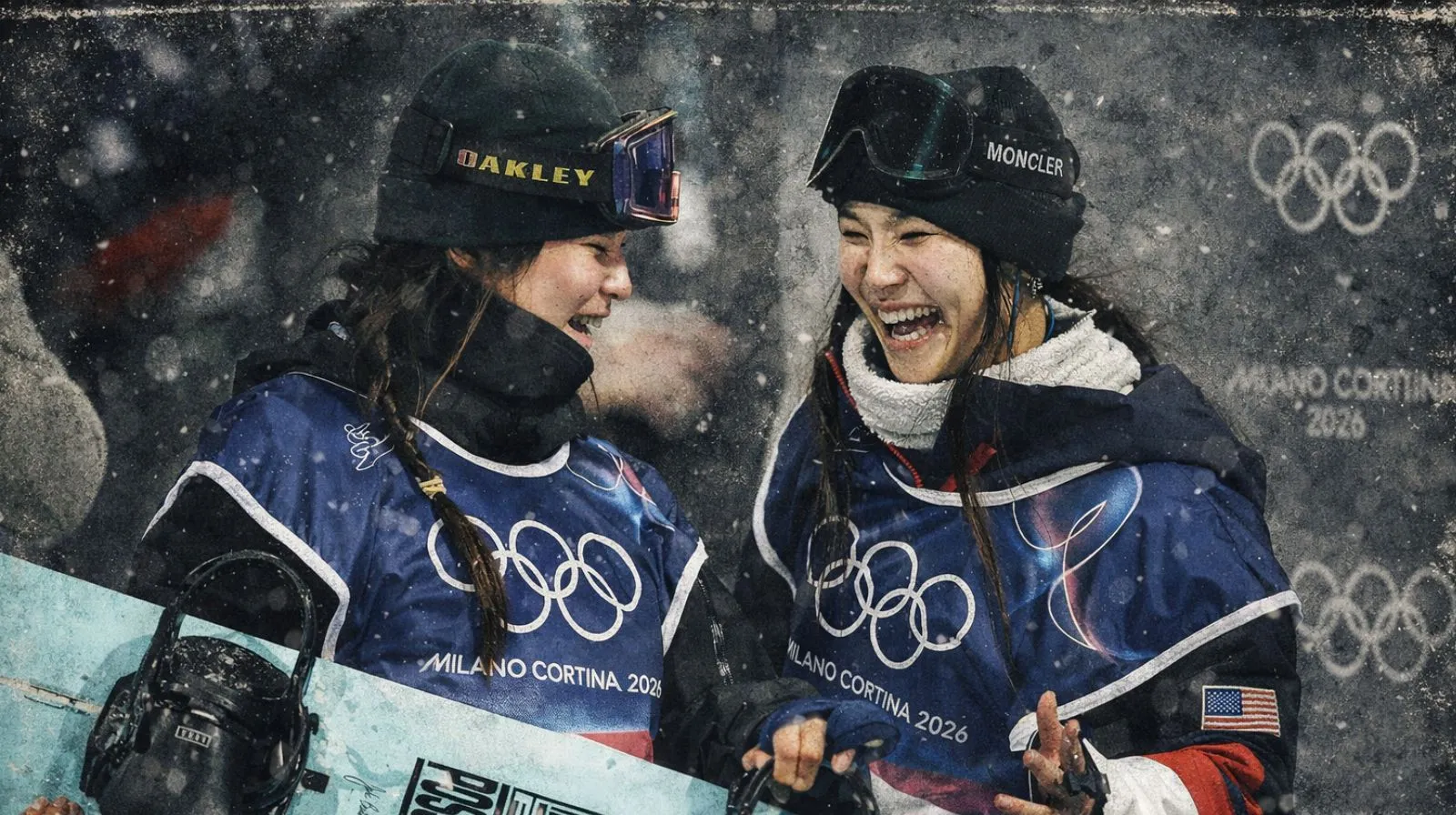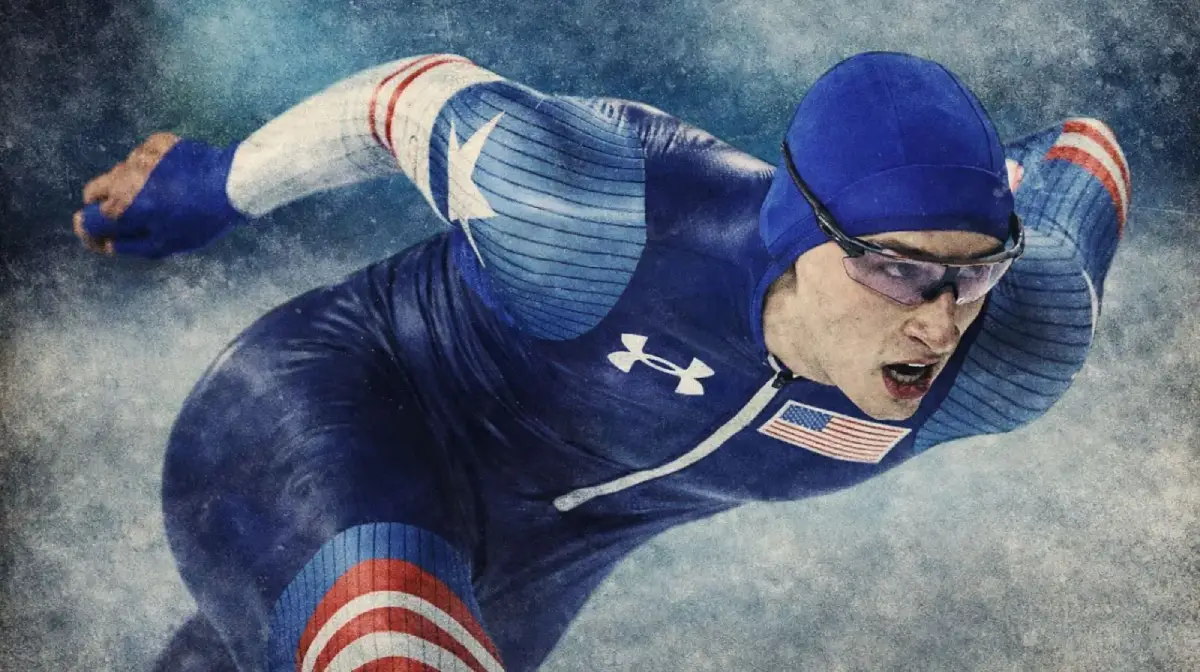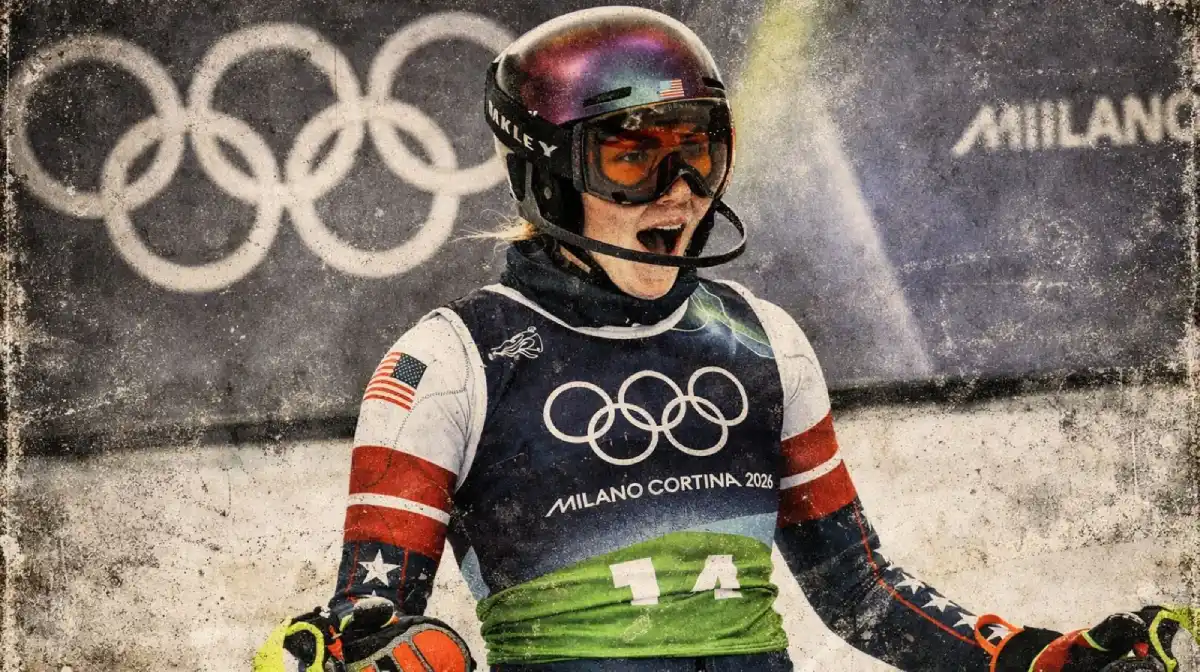

The Winter Olympics are one of the most unique sporting events in the world. Snow-covered mountains, frozen arenas, high-speed racing, and athletes competing in extreme conditions create an atmosphere that feels completely different from traditional summer sports.
Every four years, the Games bring together the best winter athletes from around the world. Some events are built around pure speed, others require balance, precision, creativity, or endurance. One small mistake can end a medal dream instantly, which is part of what makes the games so exciting to watch.
For many fans, the event is also about unforgettable moments. Dramatic finishes, emotional victories, surprise medal winners, and intense national rivalries often become part of Olympic history.
How the Winter Olympics Started
The Winter Olympics officially began in 1924 and have continued growing ever since. What started as a smaller international event eventually developed into one of the biggest competitions in global sport.
Over the years, new disciplines were added to modernize the Games and attract younger audiences. Snowboarding, freestyle skiing, and mixed-team events helped bring a new energy to the competition while still preserving traditional winter sports.
Today, athletes spend years preparing for a chance to compete on the Olympic stage.
What Makes the Winter Olympics Different?
Winter sports create challenges that athletes in many other competitions never face.
Cold temperatures, icy surfaces, changing snow conditions, and outdoor weather all influence performances during the Games. In some events, athletes race at incredible speeds where tiny errors can decide the difference between winning gold and finishing outside the medals.
| Winter Olympic Element | Why It Stands Out |
|---|---|
| Snow and Ice Conditions | Constantly changing surfaces |
| Extreme Speeds | High-risk downhill events |
| Technical Precision | Small mistakes matter |
| National Representation | Athletes compete for their country |
| Global Attention | Worldwide audience every four years |
The combination of danger, pressure, and international competition gives the Winter Olympics a unique identity.
Popular Winter Olympic Sports
The Games include a wide mix of disciplines, each with its own style and fanbase.
| Sport | Main Focus |
|---|---|
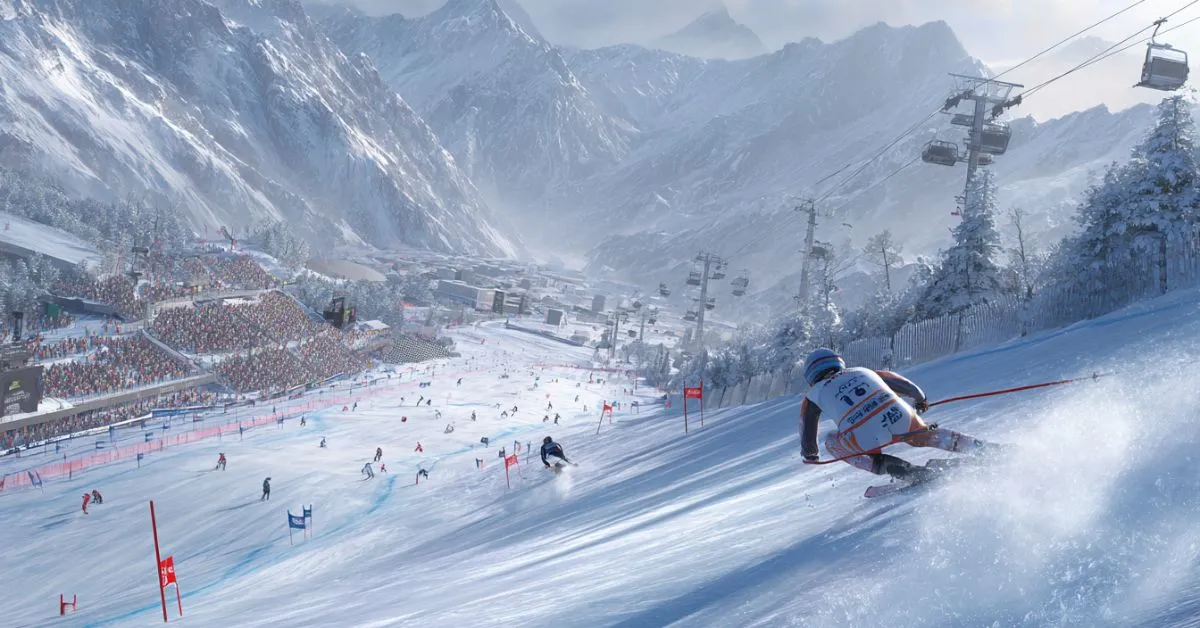
| Alpine Skiing | Speed and control downhill |
| Snowboarding | Tricks and freestyle performance |
| Figure Skating | Technical routines and artistry |
| Ice Hockey | Fast-paced team competition |
| Curling | Strategy and precision |
| Speed Skating | Explosive racing on ice |
| Biathlon | Skiing combined with shooting |
| Ski Jumping | Distance and landing technique |
Some sports focus heavily on athletic power, while others combine creativity and technical skill.
Why Ice Hockey Draws Huge Attention
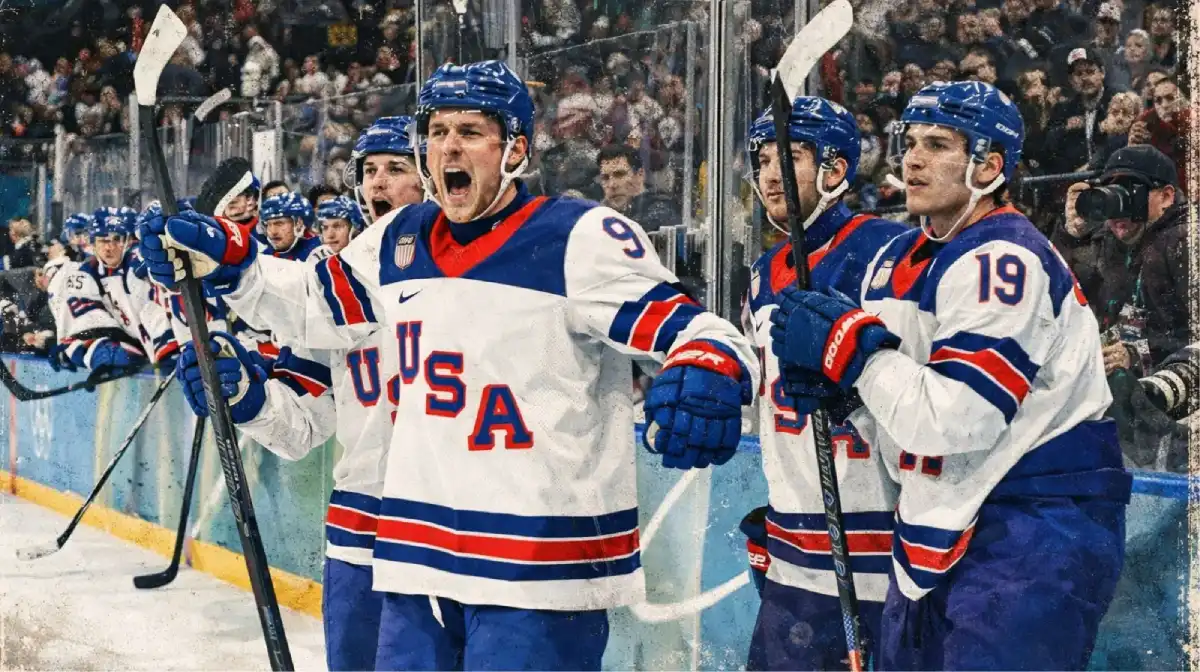
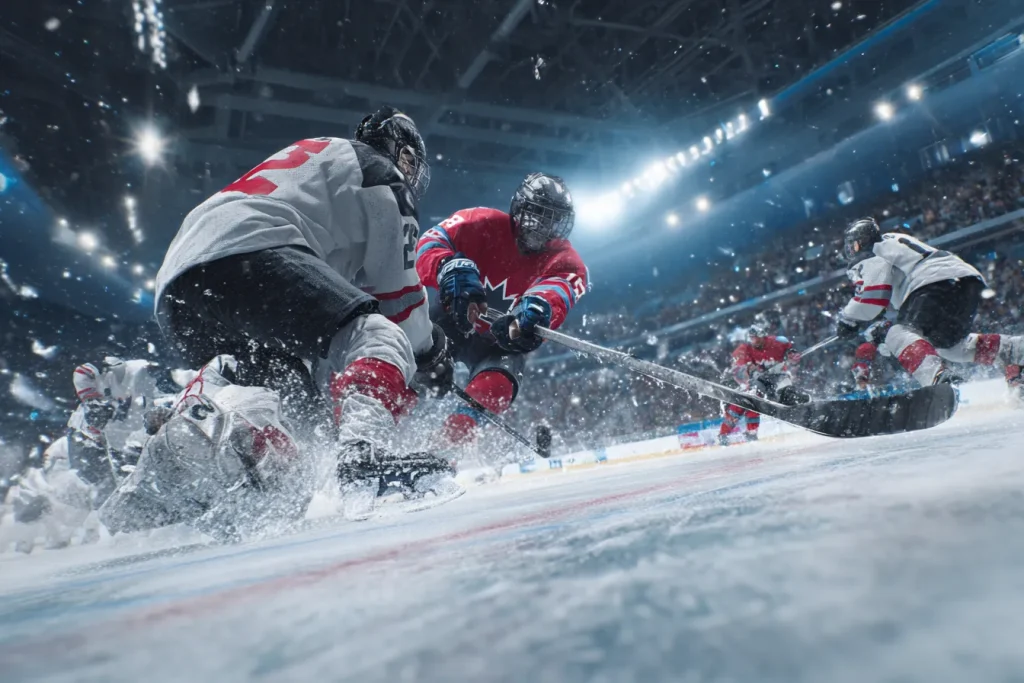
Ice hockey remains one of the biggest attractions during the Winter Olympics because of the speed, physical intensity, and national rivalries involved.
Olympic hockey tournaments often create emotional moments as players represent their country instead of their professional clubs. Matches between traditional hockey nations can feel like championship finals from the opening puck drop.
The atmosphere inside packed arenas during medal rounds is often unforgettable.
The Pressure of Representing Your Country
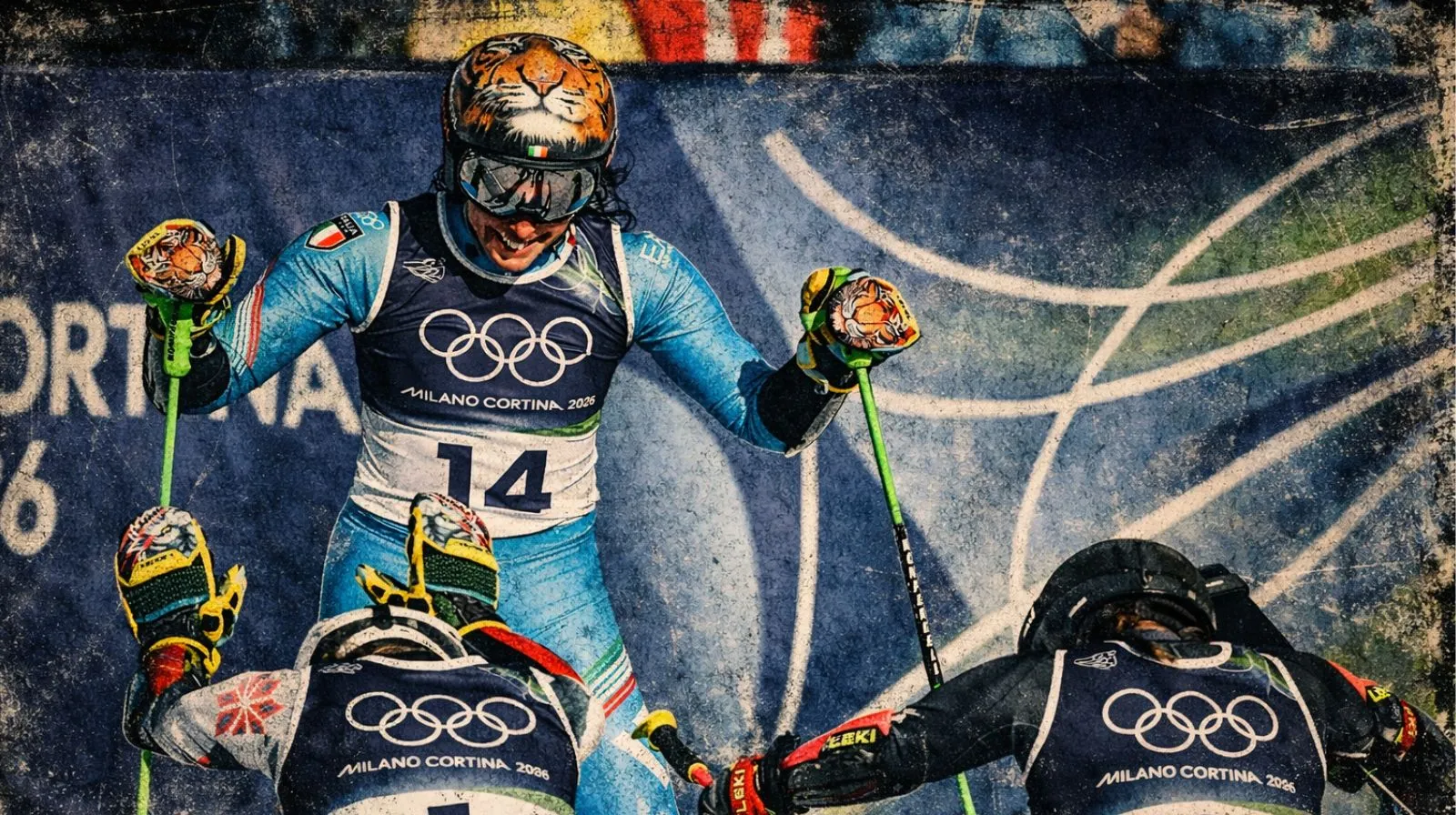
Unlike club sports, Winter Olympic athletes compete under the flag of their nation.
That pressure creates a completely different emotional environment. Some athletes train for most of their lives for one Olympic performance that may only last a few minutes or even seconds.
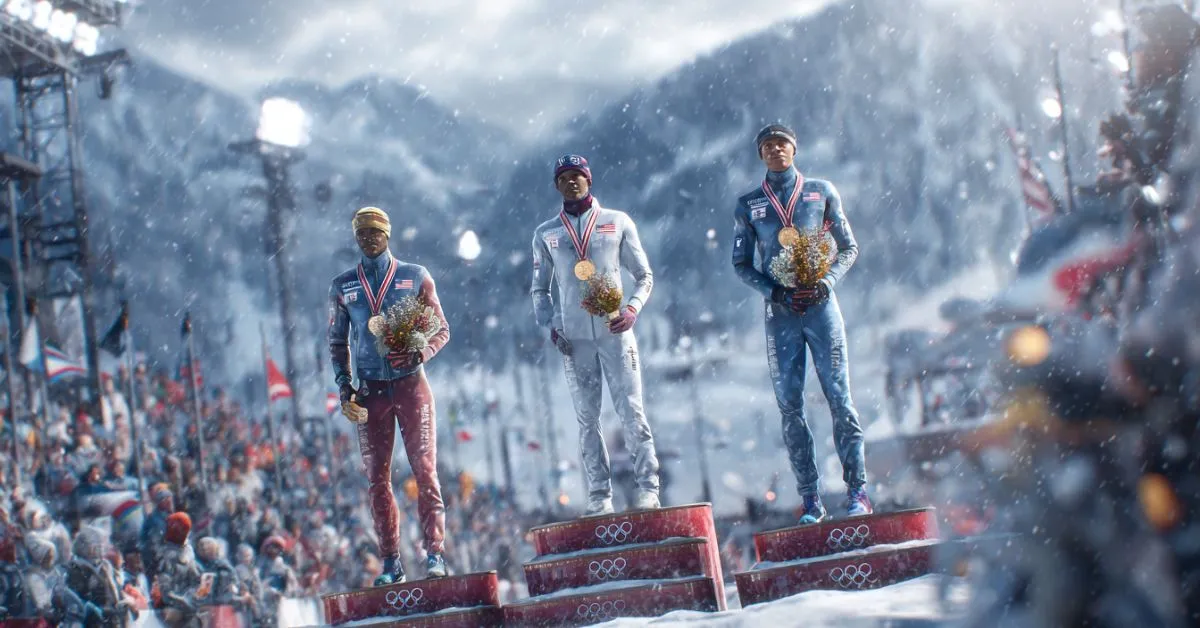
Winning medals can instantly turn athletes into national heroes.
How Athletes Qualify for the Games
Reaching the Winter Olympics is extremely difficult.
Athletes usually need to qualify through world rankings, international competitions, or national selection systems. Many spend years training in difficult environments while balancing physical preparation, mental focus, and equipment testing.
In many events, fractions of a second decide who reaches the podium.
Why onlyFans Love the Olympic winter competition
One reason the Games remain so popular is the variety of sports and personalities involved.
Fans can watch:
- High-speed downhill racing
- Tactical curling matches
- Dramatic figure skating performances
- Physical hockey rivalries
- Snowboard tricks and freestyle events
The mix of speed, pressure, weather, and national pride creates nonstop drama throughout the tournament.
The Evolution of the Games
The competitiom continue changing with every edition.
Modern technology improved judging systems, timing accuracy, athlete safety, and broadcast coverage. At the same time, newer disciplines helped make the event more appealing to younger audiences worldwide.
Even with these changes, the core spirit of the Games remains the same: athletes pushing themselves to the limit while competing for Olympic glory.