For new Formula 1 fans, race weekends can feel confusing at first. Practice sessions, qualifying rounds, sprint races, tire strategies, and penalties all influence the final grid and race result.
Once you understand how a typical weekend is structured, it becomes much easier to follow the action from the first practice lap all the way to the checkered flag on Sunday.
How a Race Weekend Is Structured
A standard Formula 1 weekend usually takes place across three days, with teams preparing the car before the main Grand Prix.
| Day | Main Sessions |
|---|---|
| Friday | Practice Sessions |
| Saturday | Final Practice and Qualifying |
| Sunday | Grand Prix Race |
Some weekends also include sprint races, which slightly change the schedule and add extra competition before the main event.
What Happens During Practice
Practice sessions allow teams and drivers to prepare for the race weekend.
Engineers collect data, test car setups, and study tire performance under different track conditions. Drivers also use practice to learn braking points, corner speeds, and track grip levels.
Although practice sessions do not award points, they often reveal which teams look strongest heading into qualifying.
Understanding Qualifying
Qualifying decides the starting order for the race.
The fastest driver secures pole position, which means starting from the front of the grid. Starting near the front is extremely important because overtaking can be difficult on some circuits.
Qualifying is divided into three parts.
| Session | Drivers Eliminated |
|---|---|
| Session | Drivers Eliminated |
| Q1 | Slowest 5 drivers |
| Q2 | Next slowest 5 drivers |
| Q3 | Top 10 compete for pole position |
This knockout format creates pressure because one small mistake can completely ruin a driver’s session.
Why Pole Position Matters
Pole position gives drivers a major advantage heading into the race.
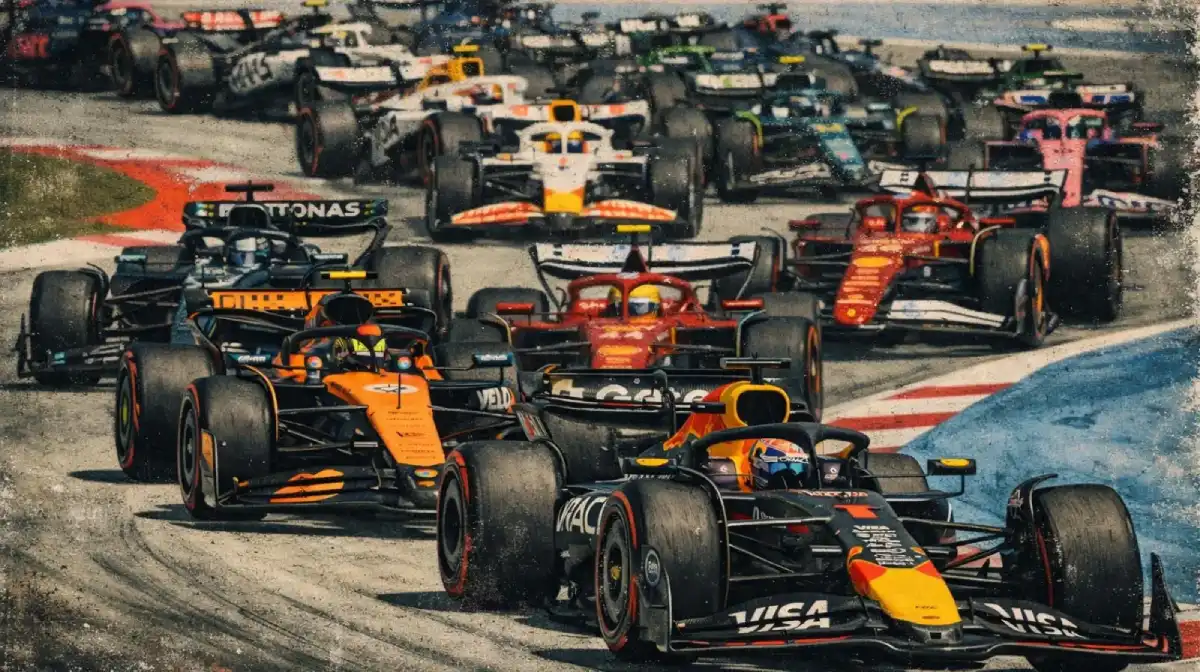
Starting at the front reduces the risk of getting stuck in traffic or involved in first-corner incidents. On circuits where overtaking is difficult, qualifying performance can sometimes decide the final result before the race even begins.
Because of this, qualifying is often one of the most exciting parts of the weekend.
Sprint Race Weekends
Some Formula 1 weekends now include sprint races.
Sprint races are shorter races that usually take place on Saturday and award additional championship points. These weekends create more competitive sessions and add extra pressure for teams and drivers.
The exact sprint format can change slightly depending on the season regulations.
The Main Grand Prix
The Grand Prix is the main race event held on Sunday.
Drivers compete over a set race distance, usually lasting around 90 minutes to two hours depending on weather conditions, safety cars, and track layout.
Race strategy becomes extremely important during the Grand Prix because teams must carefully manage:
- Tire wear
- Pit stop timing
- Fuel usage
- Weather conditions
- Safety car periods
Sometimes strategy decisions become just as important as outright speed.
Tire Strategy Explained
Tires play a huge role during every race weekend because different compounds offer different levels of grip and durability.
| Tire Compound | Main Characteristic |
|---|---|
| Soft | Fastest but wears quickly |
| Medium | Balanced performance |
| Hard | Longest durability |
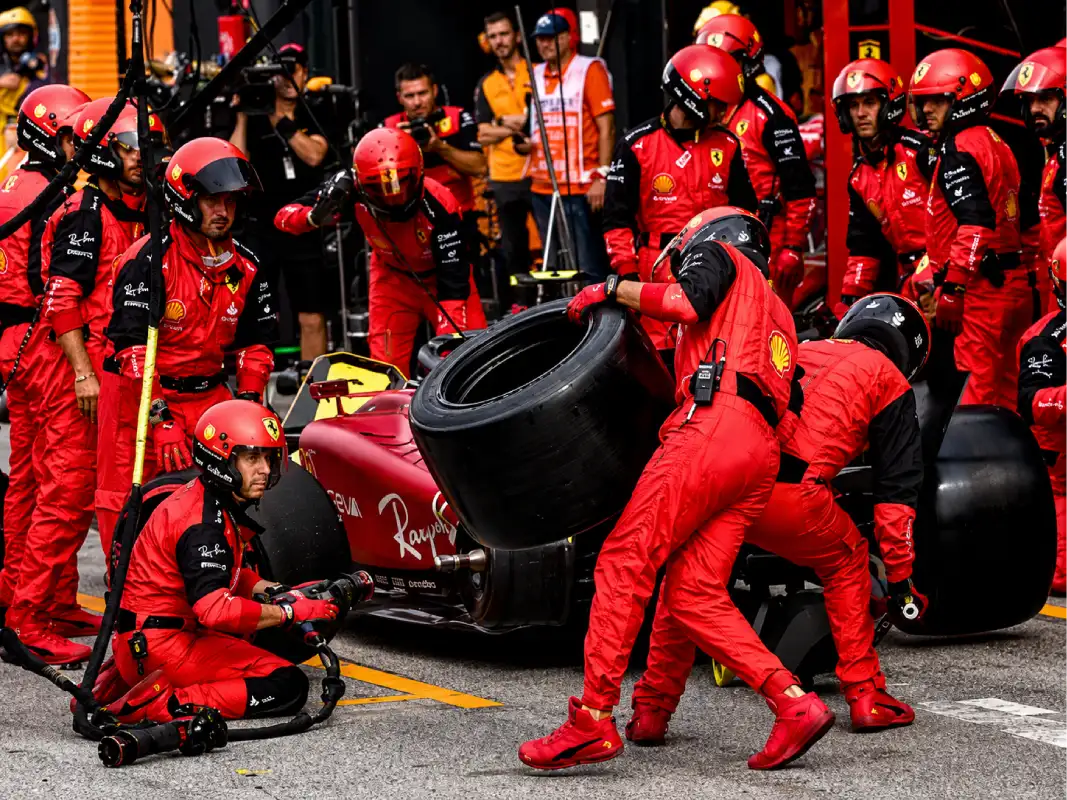
Teams constantly analyze tire degradation during races to decide the best pit stop strategy.
A perfectly timed tire change can completely change the outcome of a race.
Safety Cars and Red Flags
Incidents on track can trigger safety cars or red flag interruptions.
A safety car slows the field while marshals clear debris or damaged cars from the circuit. This often changes strategy because teams may choose to make pit stops during these slower periods.
Red flags completely stop the race when conditions become unsafe, usually because of heavy crashes or dangerous weather.
Why Strategy Is So Important
Formula 1 is far more than simply driving fast. Engineers, strategists, pit crews, and drivers constantly work together to make decisions throughout the race.
Weather changes, tire wear, traffic, and pit stop timing can all influence the final result.
This combination of speed and strategy is one of the main reasons Formula 1 remains so popular around the world.