
Cricket is one of the most watched sports in the world, especially across countries like India, England, Australia, Pakistan, South Africa, and New Zealand. The sport combines strategy, patience, technical skill, and explosive moments that can completely change a match within a few overs.
For new fans, the sport can seem complicated at first because of its unique scoring system, match formats, and terminology. Once you understand the basics, however, the game becomes far easier to follow and much more enjoyable to watch.
The Origins of the game
Cricket began in England several centuries ago before spreading globally through international competition and professional leagues. Over time, the sport developed into multiple formats ranging from traditional multi-day matches to fast-paced modern tournaments.
Today, international series, domestic leagues, and global tournaments attract millions of viewers throughout the year.
How a Cricket Match Works
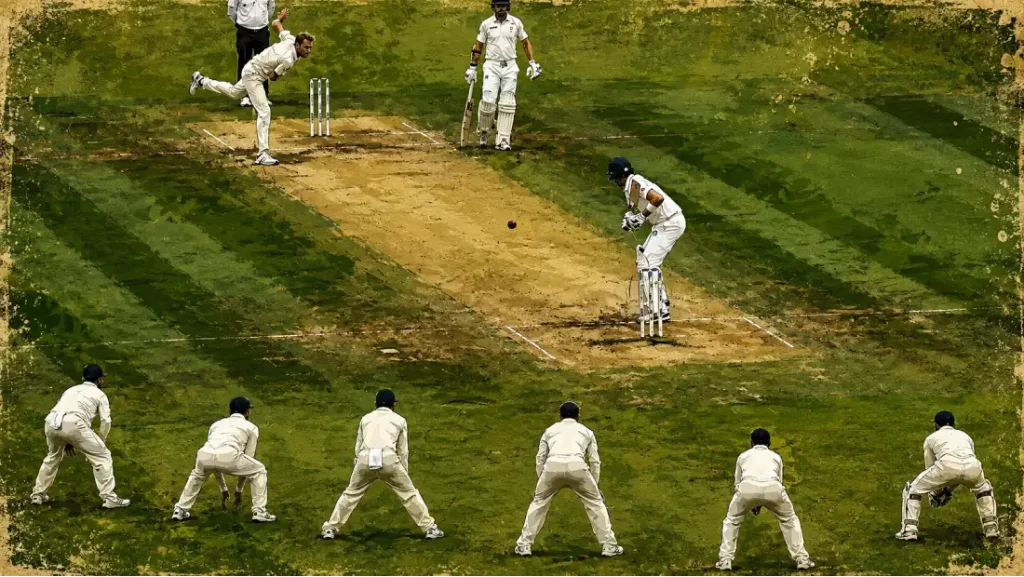
Cricket is played between two teams, with each side taking turns batting and bowling.
The batting team tries to score runs, while the bowling and fielding side attempts to dismiss players and limit scoring opportunities.
| Team Role | Main Objective |
|---|---|
| Batting Team | Score as many runs as possible |
| Bowling Team | Take wickets and control runs |
A match is divided into innings, where one team bats while the other fields.
Understanding Runs and Wickets
Runs are the main scoring method in cricket.
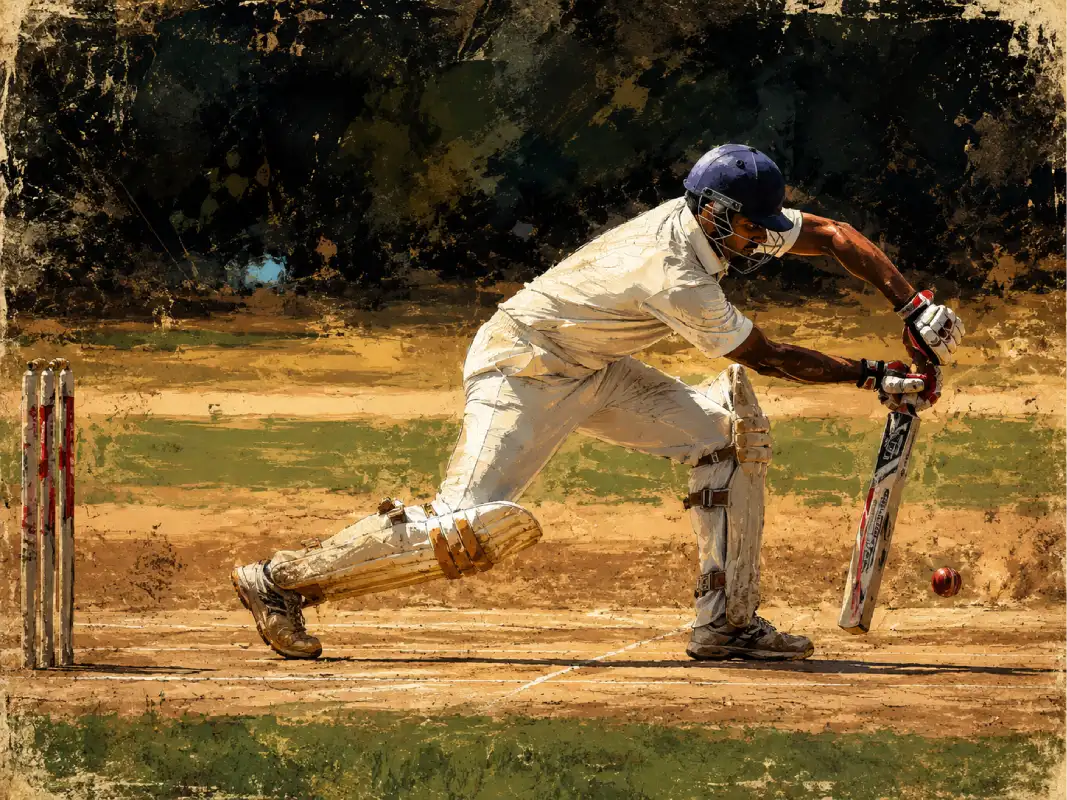
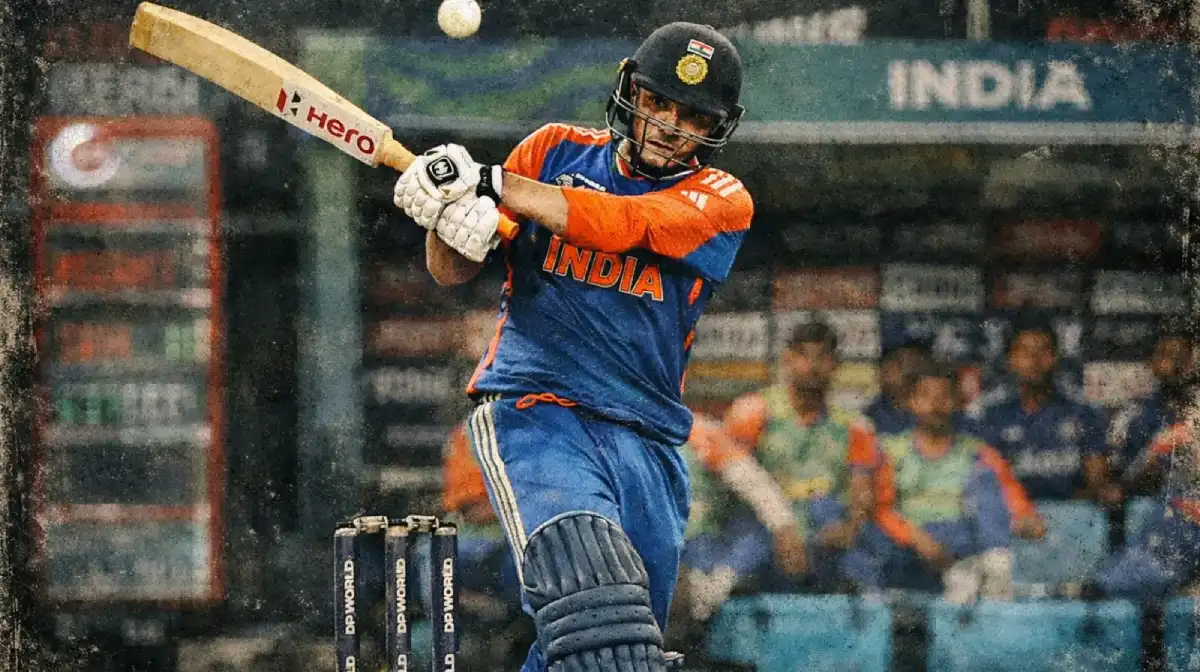
Batters score runs by hitting the ball and running between the wickets or by reaching the boundary.
| Scoring Method | Runs Awarded |
|---|---|
| Running Between Wickets | 1–3 Runs |
| Ball Reaches Boundary | 4 Runs |
| Ball Clears Boundary Without Bouncing | 6 Runs |
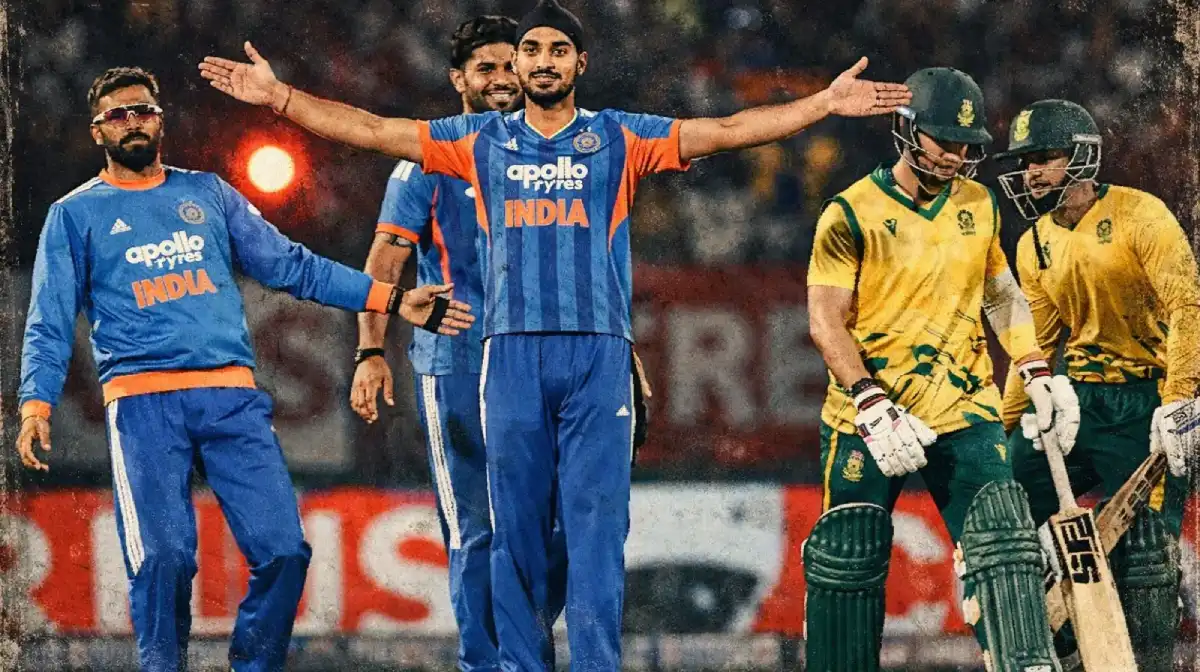
At the same time, the bowling side tries to take wickets and dismiss batters.
A team’s innings usually ends after a certain number of wickets fall or overs are completed.
Different Match Formats
Modern series includes several cricket match formats with different lengths and playing styles.
| Format | Typical Match Length |
|---|---|
| Test Cricket | Up to 5 Days |
| One Day International (ODI) | Around 8 Hours |
| T20 Cricket | Around 3 Hours |
Test matches focus heavily on patience and long-term strategy, while T20 cricket is built around aggressive batting and fast-paced entertainment.
Player Roles Explained
Every team includes players with different roles.
Batters
Batters focus on scoring runs and building partnerships.
Bowlers
Bowlers attempt to dismiss batters using pace, swing, spin, and accuracy.
All-Rounders
All-rounders contribute with both batting and bowling, making them extremely valuable.
Wicketkeeper
The wicketkeeper stands behind the stumps and plays a key defensive role while also helping with catches and run-outs.
Overs and Bowling Rules
An over consists of six legal deliveries bowled by the same player.
After each over, another bowler takes over from the opposite end of the pitch.
Bowlers must follow strict rules regarding delivery action and positioning. Illegal deliveries such as no-balls and wides give extra runs to the batting side.
Major International Tournaments
Several global competitions are considered the biggest events in the sport.
| Tournament | Overview |
|---|---|
| Cricket World Cup | Major ODI international tournament |
| T20 World Cup | Fast-paced international competition |
| ICC Champions Trophy | International ODI event |
| IPL | Popular franchise-based T20 league |
These tournaments often create some of the most dramatic moments and rivalries in world cricket.
Why T20 Cricket Became So Popular
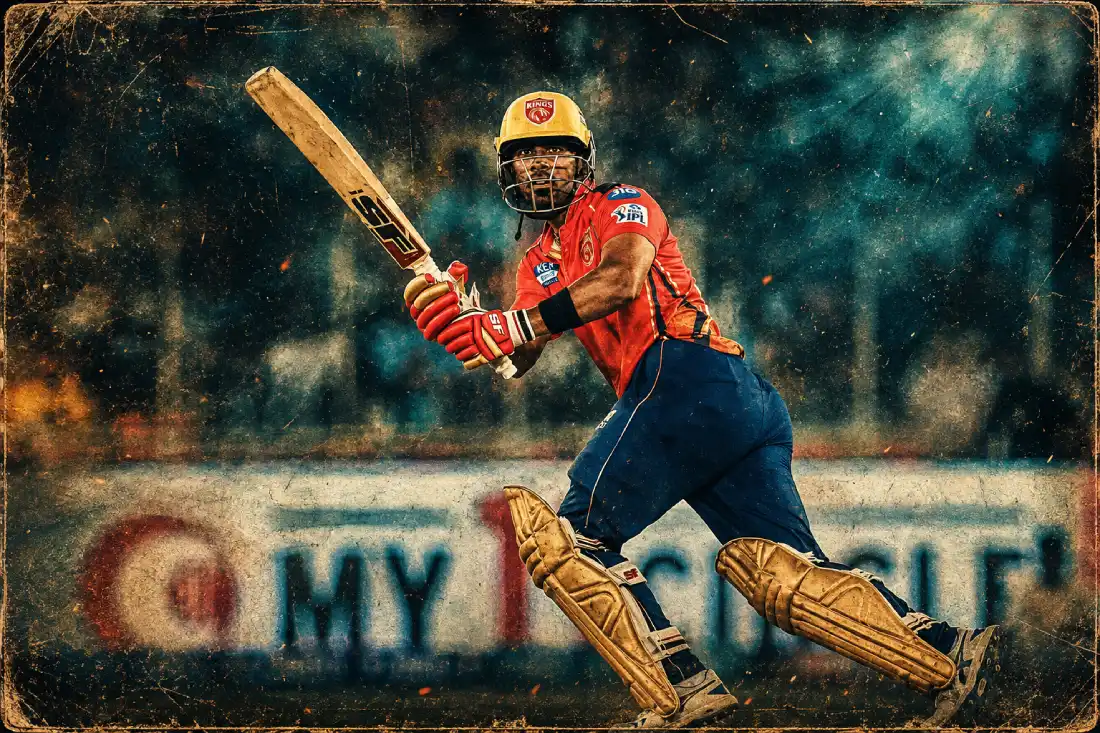
T20 cricket helped introduce the sport to a wider global audience because matches are shorter and more aggressive.
The format focuses heavily on:
- Big hitting
- Fast scoring
- Quick momentum shifts
- High-pressure finishes
This creates an exciting viewing experience for both new and experienced fans.
Strategy and Match Momentum
Cricket involves far more strategy than many new viewers initially expect.
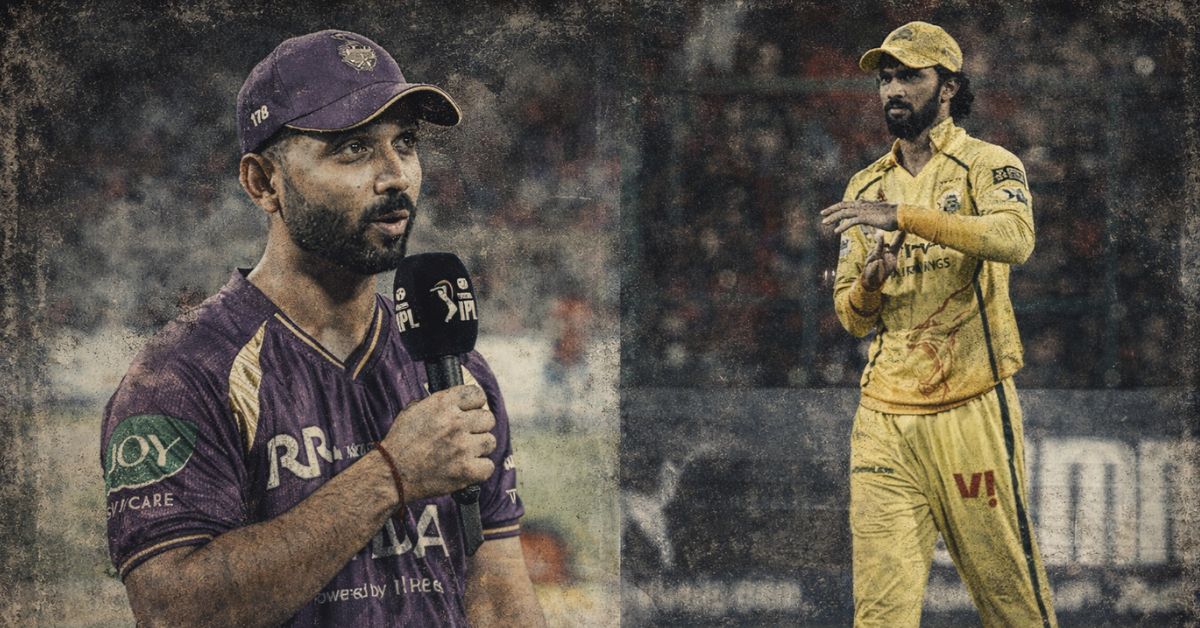
Captains constantly adjust field placements, bowling rotations, and batting order depending on the match situation. Weather conditions, pitch behavior, and game tempo can all influence tactics throughout the match.
Momentum can also shift quickly after a wicket or a strong batting partnership.