
Ice hockey is one of the fastest team sports in the world. The combination of speed, physical battles, quick passing, and nonstop action makes every match unpredictable from start to finish.
For new fans, the game can feel overwhelming at first because everything happens so quickly on the ice. Once you understand the basics, however, it becomes much easier to follow the flow of the game and appreciate the tactics behind every shift.
How the Sport Developed
Modern ice hockey was shaped in Canada during the 1800s before spreading internationally through professional leagues and major tournaments. Over time, official rules, organized competitions, and indoor arenas helped the sport grow rapidly.
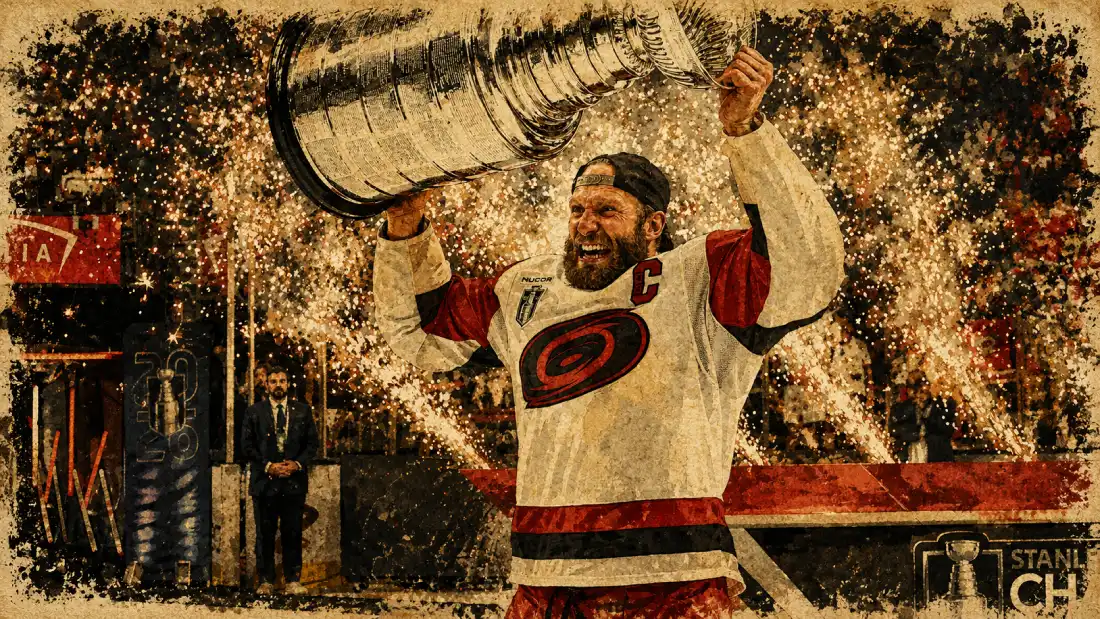
Today, NHL is followed around the world, especially in countries such as Canada, the United States, Sweden, Finland, Russia, and the Czech Republic.
International tournaments and professional leagues continue to attract huge audiences every season.
Match Basics
A standard game is played between two teams trying to score goals using sticks and a puck.
Each team has six players on the ice at the same time.
| Position | Main Role |
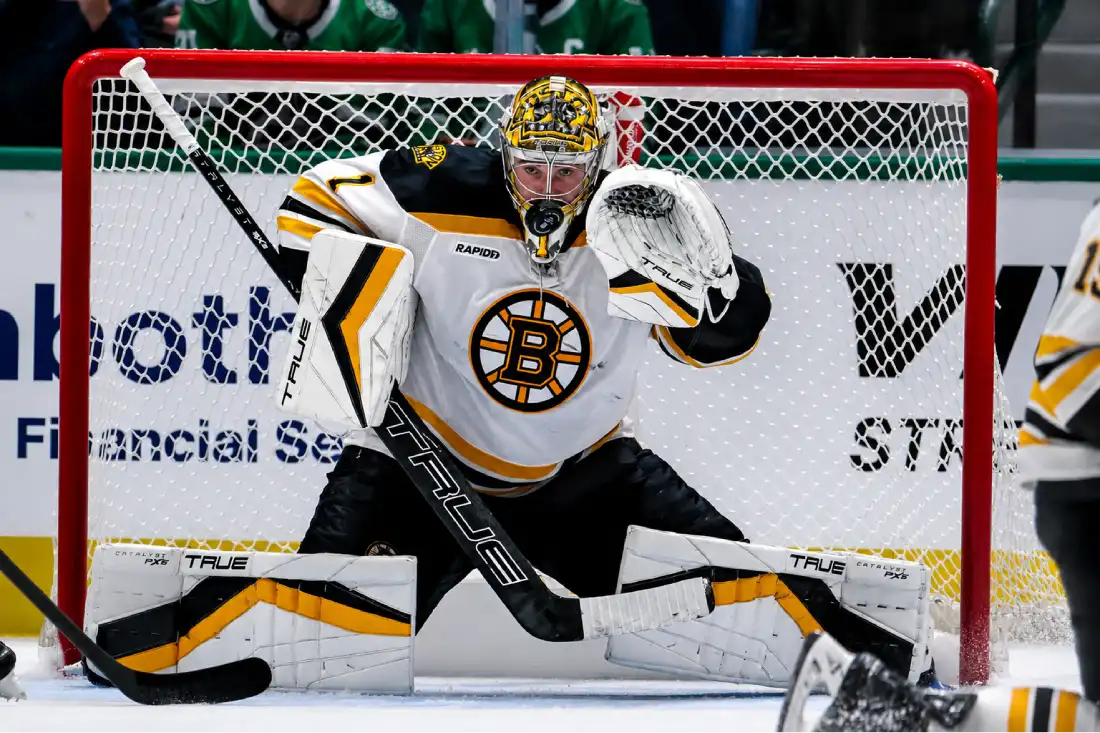
| Goaltender | Protects the net and stops shots |
| Defensemen | Defend the zone and block attacks |
| Forwards | Create scoring chances and attack |
Matches are divided into three periods of 20 minutes each. The team with the most goals at the end wins the game.
Understanding the Ice Rink
The rink is divided into different zones that shape the flow of the match.
Defensive Zone
This is the area where a team protects its own goal and tries to stop attacks.
Neutral Zone
The neutral zone sits in the middle of the rink and is important for transitions and puck movement.
Offensive Zone
This is where teams create scoring chances and apply pressure near the opponent’s net.
How Goals Are Scored
Understanding how ice hockey scoring works starts with one simple principle: a goal counts when the entire puck crosses the goal line inside the net.
Players use different shooting techniques depending on the situation.
| Shot Type | Description |
| Wrist Shot | Fast and accurate release |
| Slap Shot | Powerful long-range shot |
| Snap Shot | Quick mix of speed and power |
| Backhand Shot | Shot taken from the reverse side of the stick |
Rebounds, screens, and deflections are also important parts of attacking play.
Penalties and Power Plays
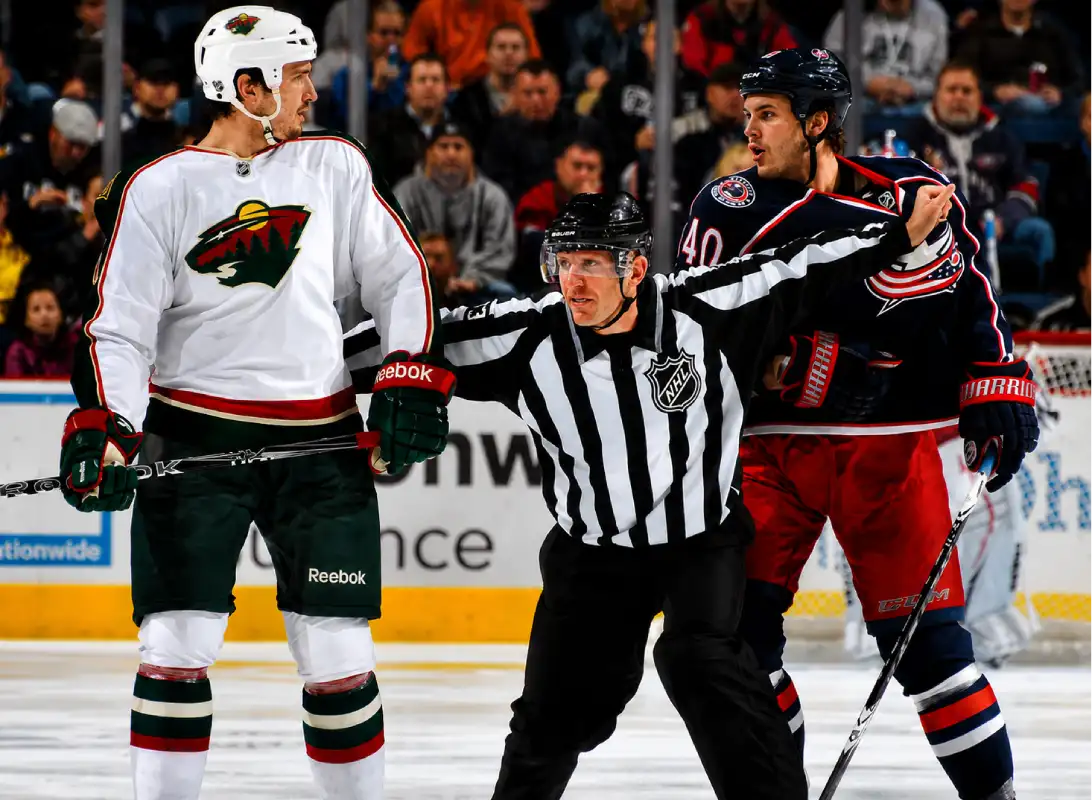
Ice hockey allows physical contact, but there are still strict rules players must follow.
Common penalties include:
- Tripping
- Hooking
- Slashing
- High-sticking
- Holding
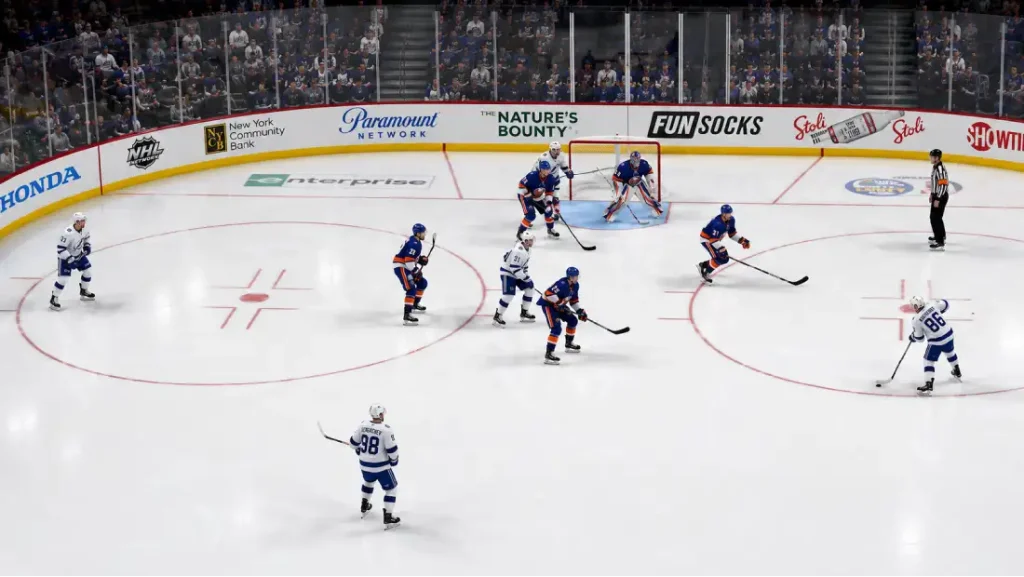
When a player receives a penalty, they must leave the ice temporarily. This creates a power play for the opposing team, giving them a player advantage.
Special teams often become one of the biggest factors in close matches.
Overtime Rules
If the score is tied after regulation time, overtime is played.
Many leagues use sudden-death overtime, meaning the first goal immediately ends the match. If overtime finishes without a goal, some competitions move to a shootout.
Shootouts create high-pressure moments where players take individual attempts against the goaltender.
Major Competitions
Several tournaments and leagues stand out as the biggest events in the sport.
| Competition | Overview |
| NHL | Top professional league featuring elite international players |
| Winter Olympics | International competition between national teams |
| World Championships | Annual global tournament featuring many top nations |
These events help create some of the biggest rivalries and most memorable moments every season.
Why Onlyfans Enjoy the Sport
One of the biggest reasons fans enjoy ice hockey is the constant intensity. Momentum can shift within seconds, and even small mistakes can lead directly to goals.
The speed of the game, combined with physical play and technical skill, creates a unique viewing experience that keeps fans engaged throughout every period.
The NHL playoff race is especially popular because of the emotional atmosphere and high-pressure situations.