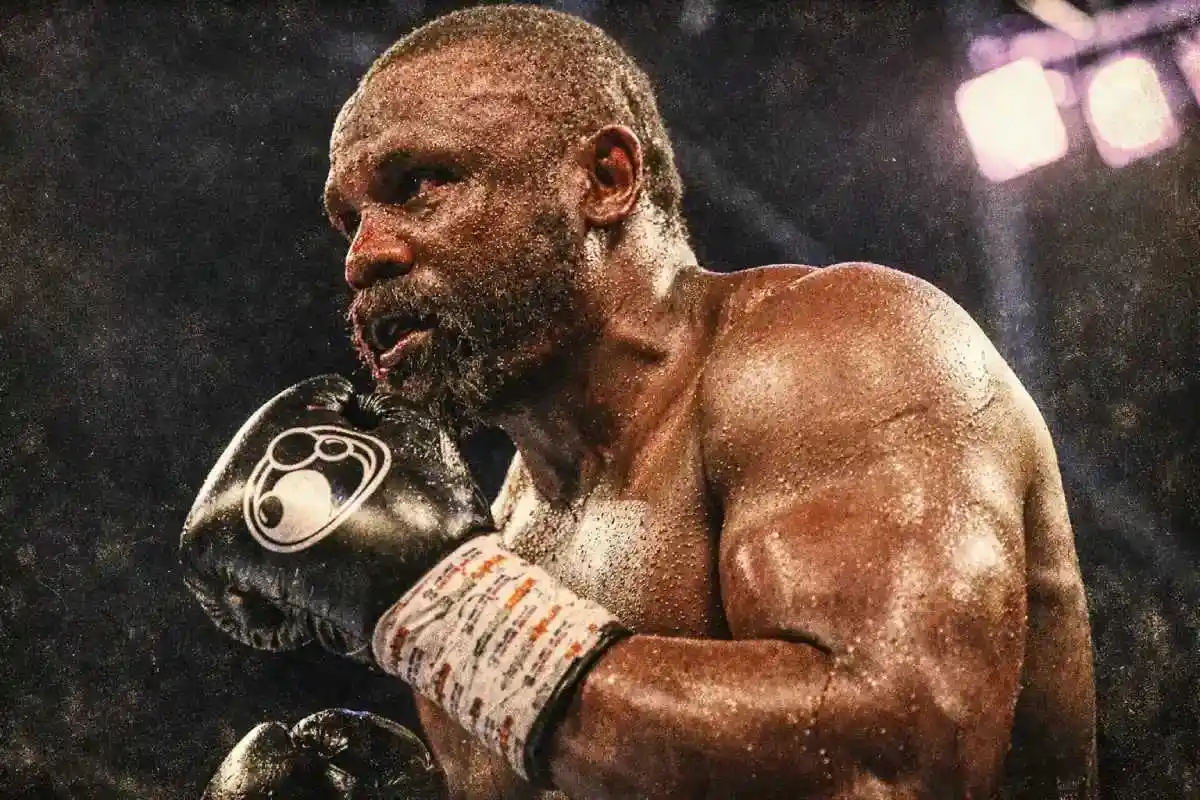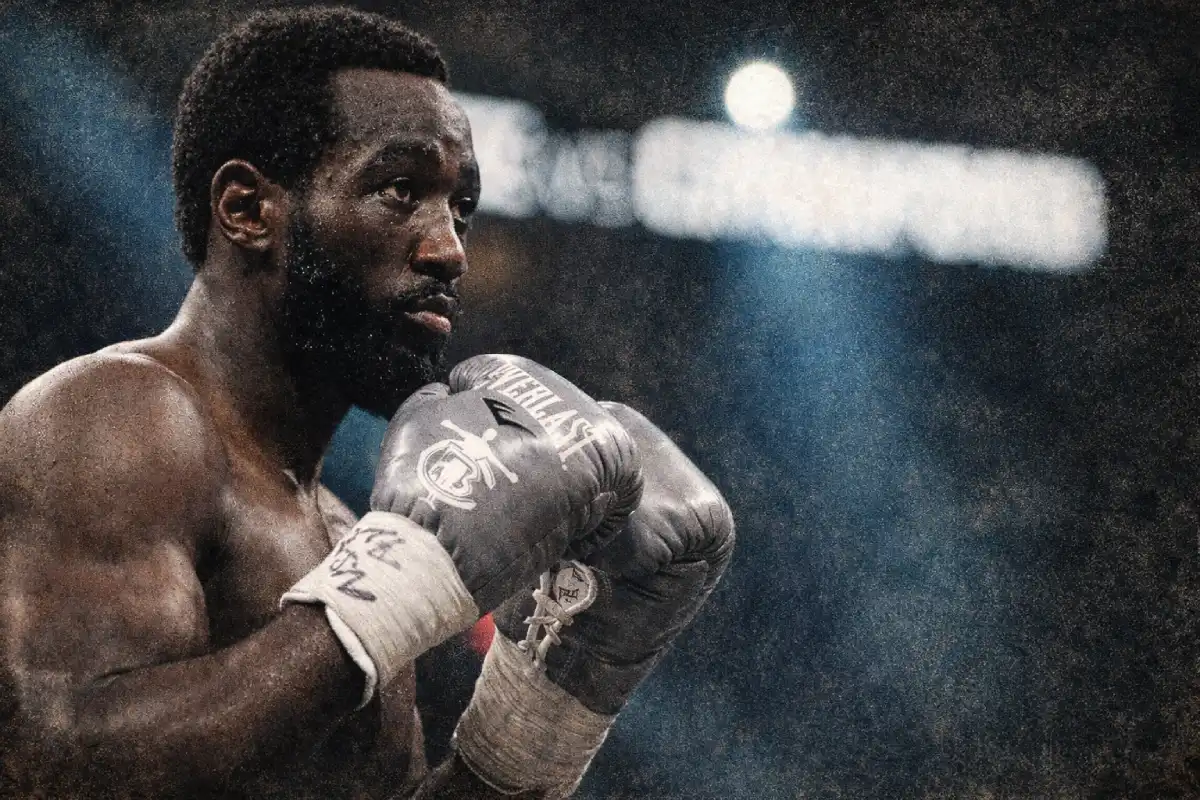
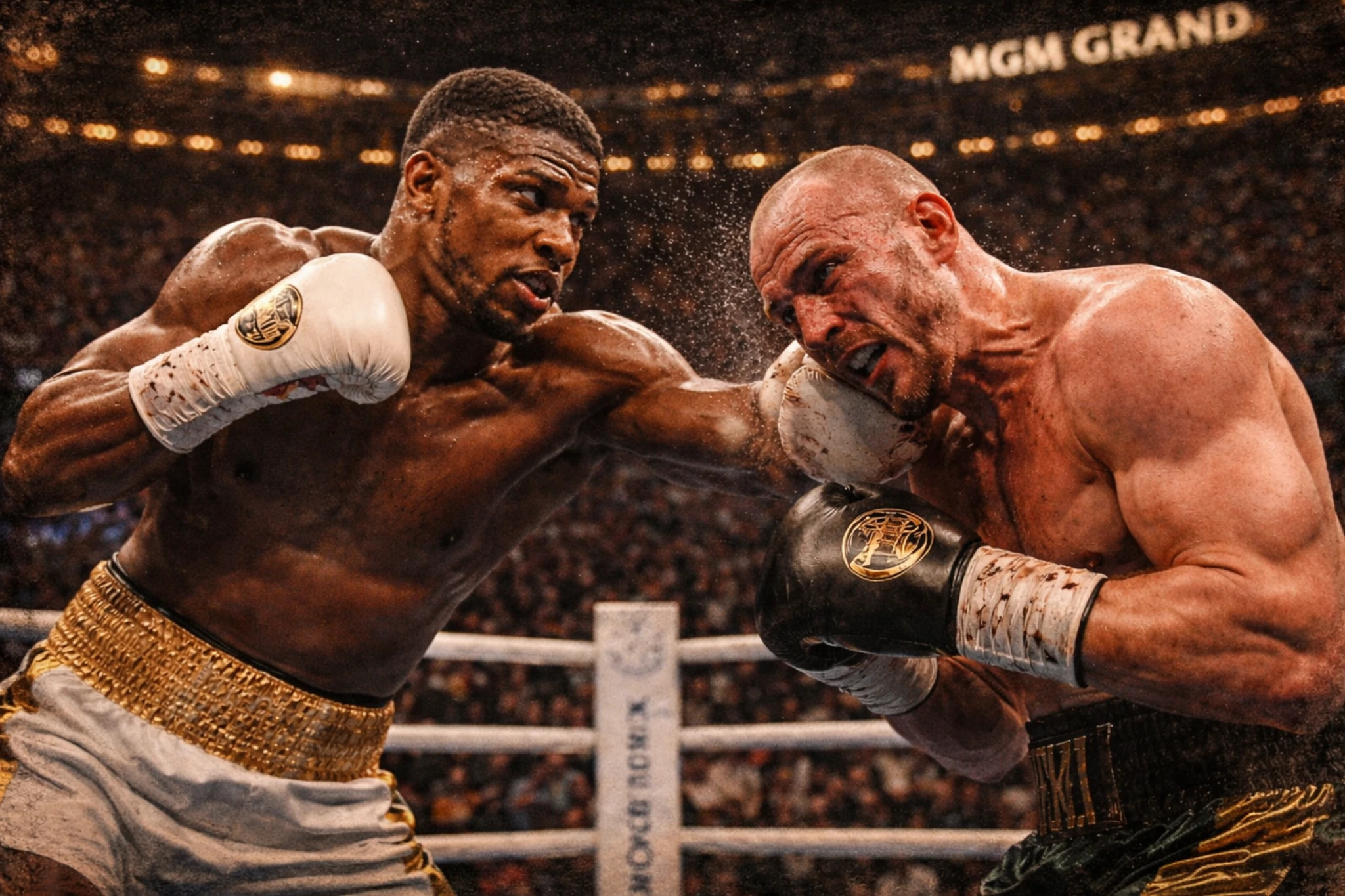
Boxing remains one of the most recognized combat sports in the world. From legendary heavyweight rivalries to modern title fights watched by millions, the sport combines discipline, technique, endurance, and raw power inside the ring.
Unlike many team sports, professional fighting places all the pressure on two fighters standing alone under the lights. Every movement, punch, and defensive decision can completely change the outcome of a fight within seconds.
For new fans, understanding how fights are scored, how weight divisions work, and why certain matches matter makes the sport far more enjoyable to follow.
From Bare-Knuckle Fighting to Modern Championships
The roots of the fight game go back hundreds of years, with early forms of the sport taking place long before modern gloves and official rules existed.
As the sport evolved, regulations were introduced to improve safety and structure. Timed rounds, weight classes, referees, and championship organizations helped transform boxing into a global professional sport.
Today, major events take place across the world, with championship fights attracting huge audiences and generating worldwide attention.
How a Professional Fight Works
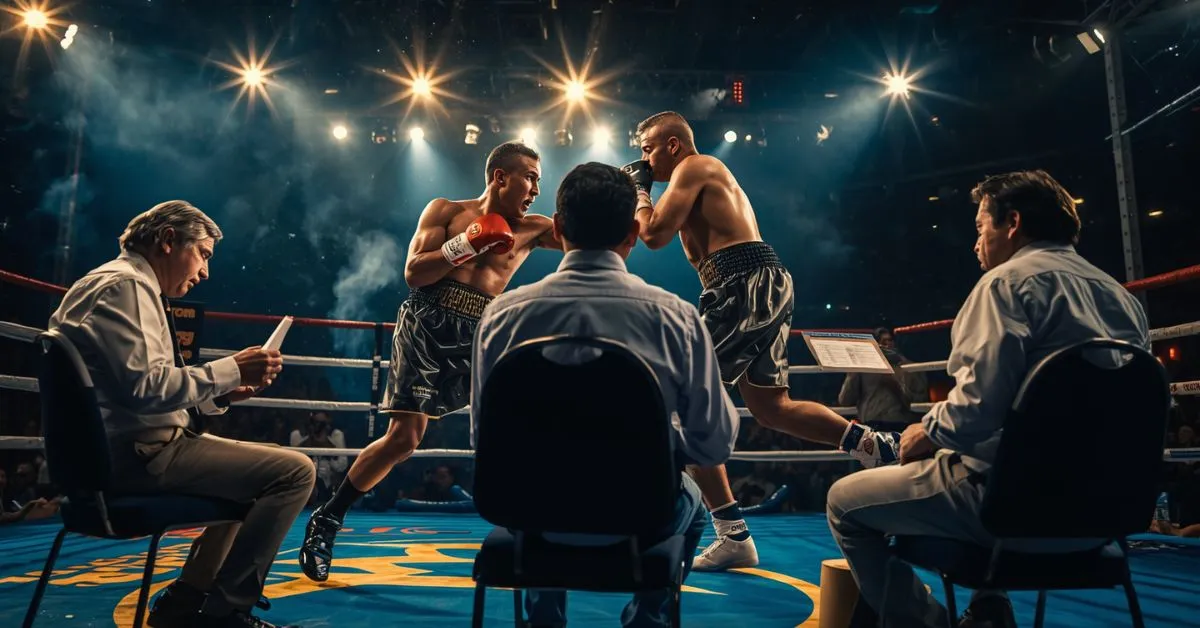
A boxing match takes place inside a ring between two fighters competing over a set number of rounds.
| Fight Element | Explanation |
|---|---|
| Standard Round Length | 3 Minutes |
| Break Between Rounds | 1 Minute |
| Championship Fights | Usually 12 Rounds |
| Non-Title Fights | Often 4–10 Rounds |
The goal is simple: outscore the opponent, force a stoppage, or secure a knockout victory.
Understanding Weight Divisions
Weight classes exist to create fair competition between fighters of similar size and physical strength.
Some of the most recognized divisions include:
| Division | General Weight Range |
|---|---|
| Flyweight | Smaller and faster fighters |
| Lightweight | Speed and technique balance |
| Welterweight | Combination of power and movement |
| Middleweight | Strong all-around fighters |
| Heavyweight | Largest and most powerful division |
Different divisions often develop very different fighting styles and pacing.
Ways to Win a Fight
Professional boxing matches can end in several ways depending on what happens inside the ring.
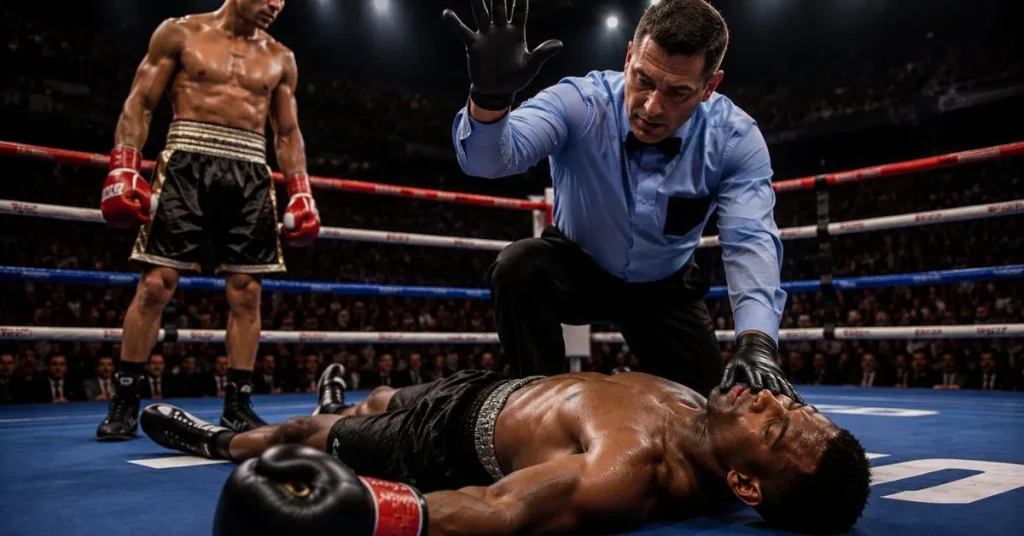
Knockout (KO)
A knockout happens when a fighter cannot recover before the referee’s count ends.
Technical Knockout (TKO)
A technical knockout occurs when the referee, doctor, or corner stops the fight to protect a boxer who can no longer continue safely.
Decision Victory
If the fight goes the full distance, judges decide the winner using scorecards.
How Boxing Is Scored
Boxing scoring usually follows the 10-point must system used by judges in professional fights.
| Round Result | Typical Score |
|---|---|
| Close Round | 10–9 |
| Dominant Round | 10–8 |
| Knockdown Round | Often 10–8 |
Judges score rounds based on:
- Clean punching
- Defense
- Ring control
- Effective aggression
At the end of the fight, total scores determine the winner if no stoppage occurs.
Why Defense Is So Important
Many new fans focus only on punching power, but defense plays a huge role in professional boxing.
Elite fighters use movement, footwork, head positioning, and timing to avoid damage while creating counterattack opportunities.
Strong defensive skills often separate experienced champions from aggressive but less disciplined opponents.
The Importance of Footwork and Distance
Footwork controls positioning inside the ring and helps fighters create angles for attacks and defense.
A boxer with strong movement can:
- Avoid pressure
- Control range
- Set up combinations
- Escape dangerous exchanges
Distance management becomes especially important against powerful punchers.
Championship Belts and Boxing Organizations
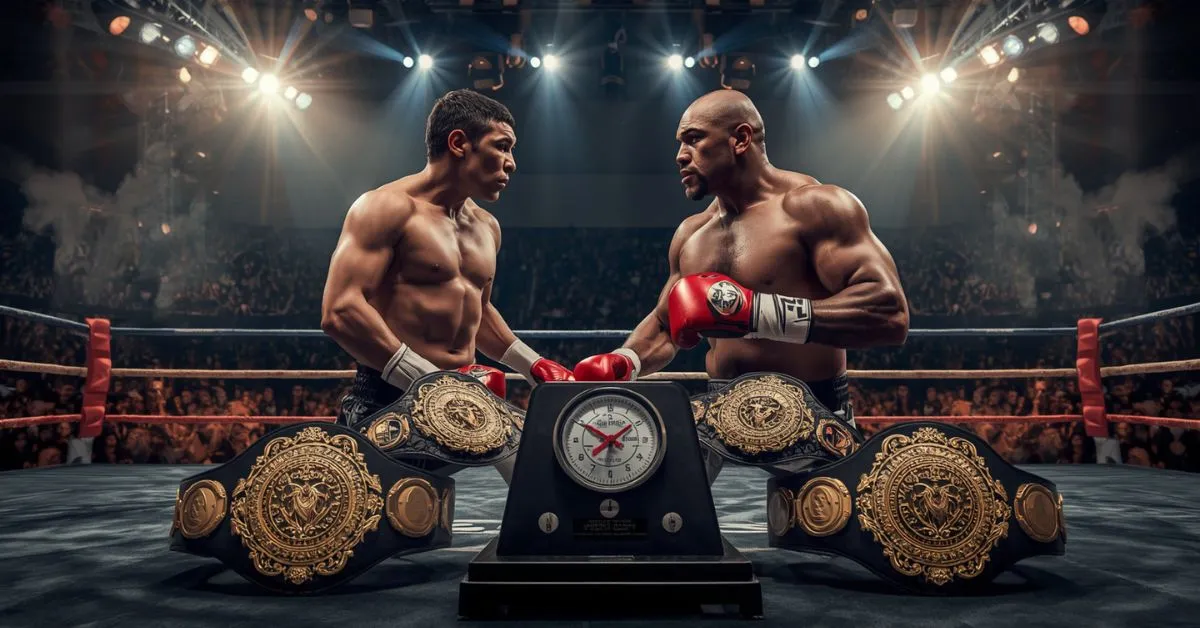
Professional boxing includes several major sanctioning bodies that award world titles.
| Organization | Common Abbreviation |
|---|---|
| World Boxing Council | WBC |
| World Boxing Association | WBA |
| International Boxing Federation | IBF |
| World Boxing Organization | WBO |
Because multiple organizations exist, fighters can sometimes hold different championship belts within the same division.
Why Boxing Remains So Popular
One reason boxing continues to attract fans worldwide is the emotional intensity surrounding major fights.
Rivalries, comeback stories, undefeated records, and title defenses all help build excitement before fight night. Unlike many sports, one perfectly timed punch can instantly change everything.
The combination of skill, pressure, and unpredictability keeps fans engaged generation after generation.