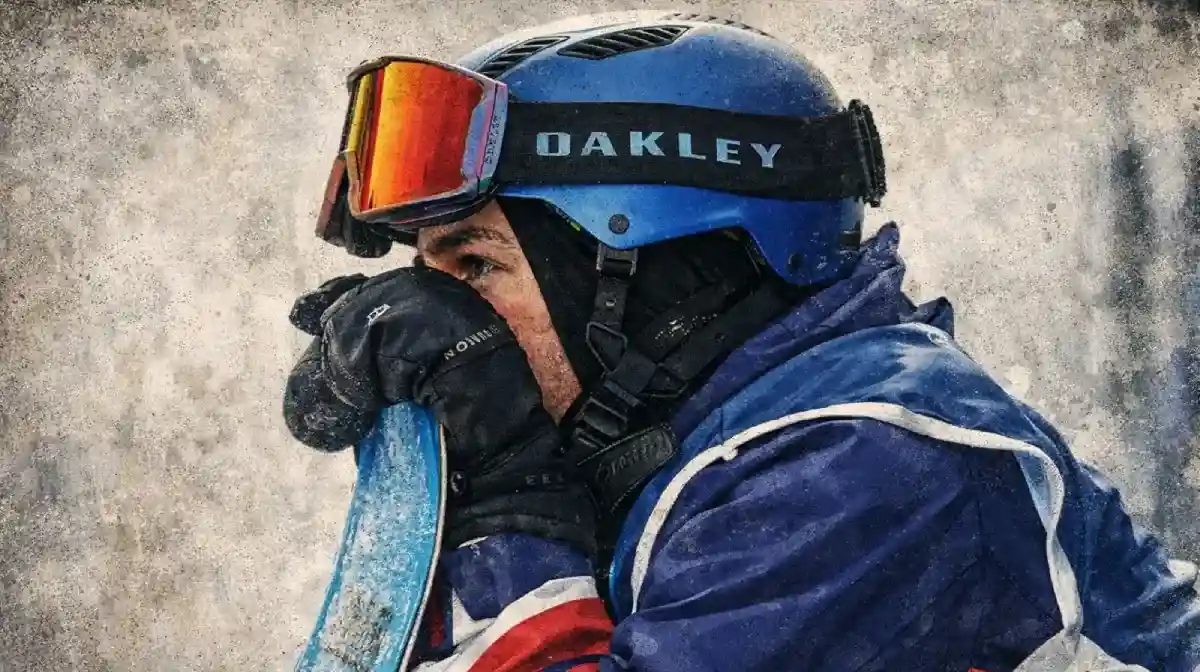
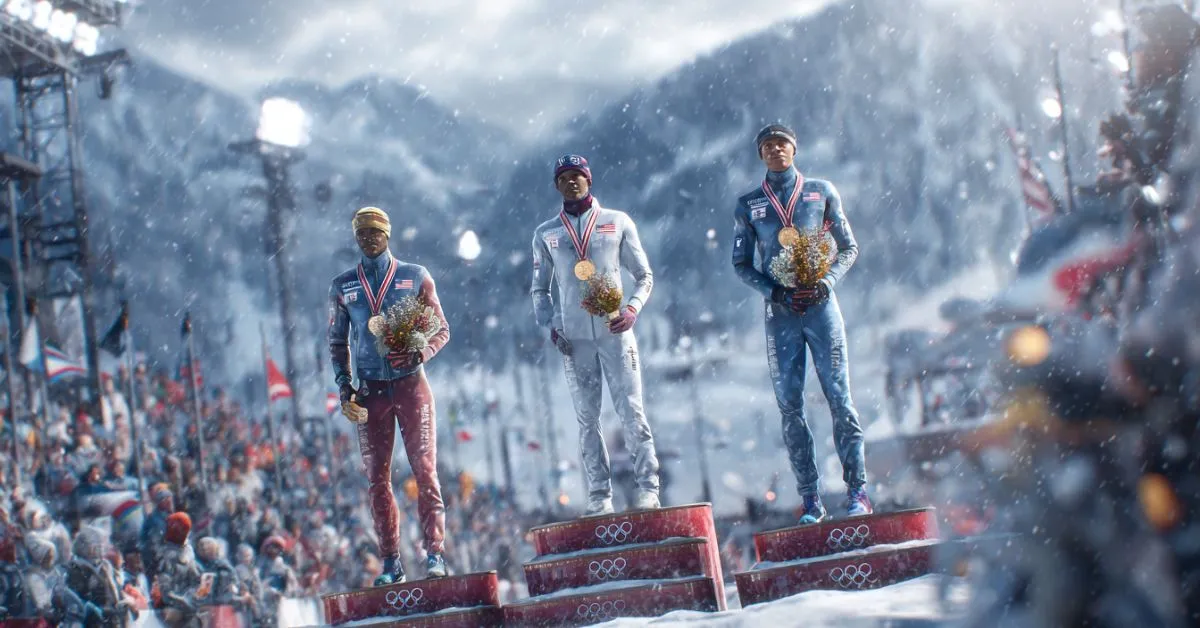
The Winter Olympics feature a wide range of sports played on snow and ice, each requiring different skills, techniques, and physical preparation. Some events focus on speed and endurance, while others are built around creativity, precision, or tactical decision-making.
For new fans, the large number of disciplines can feel overwhelming at first. Once you understand the basics of the major events, following the Games becomes much easier and far more enjoyable.
How Winter Olympic Sports Are Organized
The Games are divided into different categories based on the type of competition and environment.
| Category | Examples |
|---|---|
| Ice Sports | Figure skating, ice hockey, curling |
| Snow Sports | Alpine skiing, snowboarding, biathlon |
| Sliding Sports | Bobsleigh, skeleton, luge |
Each discipline has its own rules, scoring systems, and qualification process.
Alpine Skiing Explained
Alpine skiing is one of the fastest and most dangerous events during the Games.
Athletes race downhill at extremely high speeds while navigating gates placed along the course. Tiny mistakes can cost valuable time or lead to crashes.
| Alpine Event | Main Focus |
|---|---|
| Downhill | Maximum speed |
| Slalom | Tight technical turns |
| Giant Slalom | Balance of speed and control |
| Super-G | High-speed technical racing |
Weather and snow conditions often play a major role in the final results.
Why Snowboarding Became So Popular
Snowboarding helped attract younger audiences to the Winter Olympics thanks to its freestyle culture and high-risk tricks.
Popular snowboard events include:
- Halfpipe
- Slopestyle
- Big Air
- Snowboard Cross
These competitions reward creativity, difficulty, and execution, often producing some of the most exciting moments during the Games.
Understanding Figure Skating
Figure skating combines athletic skill with artistic performance.
Athletes are judged based on:
| Judging Area | Importance |
|---|---|
| Technical Difficulty | Jumps and combinations |
| Execution | Precision and landing quality |
| Presentation | Artistic performance |
| Timing | Flow and rhythm |
Because performances are judged rather than timed, figure skating often creates intense debate among fans and commentators.
How Curling Works
Curling is one of the most tactical sports in the Winter Olympics.
Teams slide stones across the ice toward a target area while teammates sweep the surface to control speed and direction.
Although curling may appear simple at first, strategy and precision are extremely important throughout every match.
The Intensity of Ice Hockey
Ice hockey remains one of the most watched Olympic sports because of its speed, physicality, and national rivalries.
Olympic tournaments often feature dramatic elimination games and emotional medal battles between traditional hockey nations.
The fast pace and aggressive style make hockey one of the biggest attractions of the Games.
What Makes Biathlon So Difficult
Biathlon combines two completely different challenges: cross-country skiing and rifle shooting.
Athletes must quickly lower their heart rate after intense skiing before attempting highly accurate shots at small targets.
Missed shots result in penalties, which creates huge pressure during close races.
Sliding Sports and Extreme Speed
Sliding sports are among the fastest events in the Winter Olympics.
| Sport | Description |
|---|---|
| Bobsleigh | Teams race down an ice track in sleds |
| Skeleton | Athletes race head-first |
| Luge | Feet-first sled racing |
These events require precision steering and fearless commitment at extremely high speeds.
Why Medal Moments Feel So Emotional
Olympic medal events create a different level of pressure compared to regular competitions.
Many athletes spend years preparing for one opportunity on the Olympic stage. A single run, routine, or race can decide whether they leave with gold or miss the podium entirely.
This emotional pressure is one reason the Winter Olympics create so many unforgettable sporting moments.