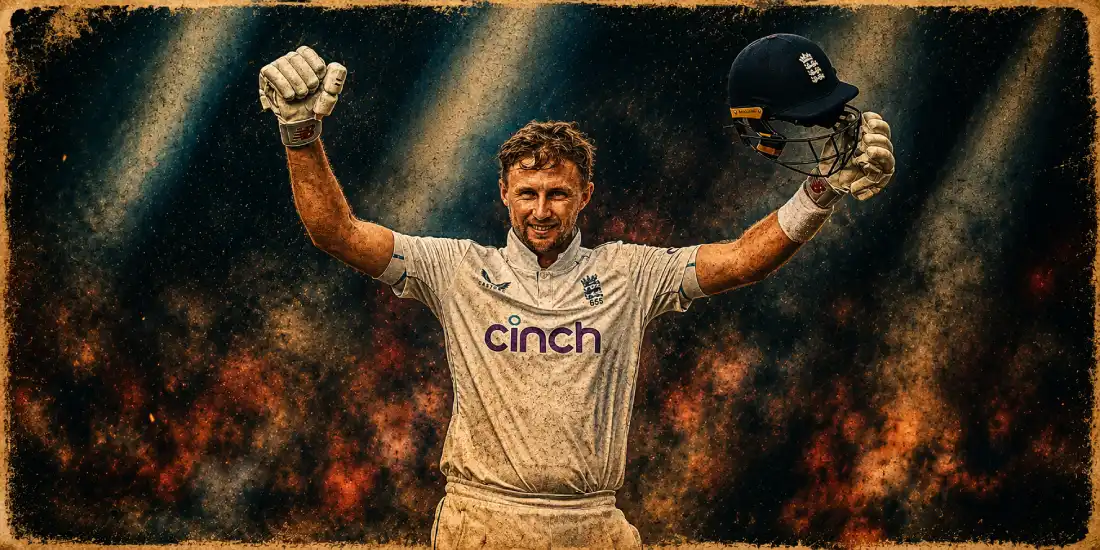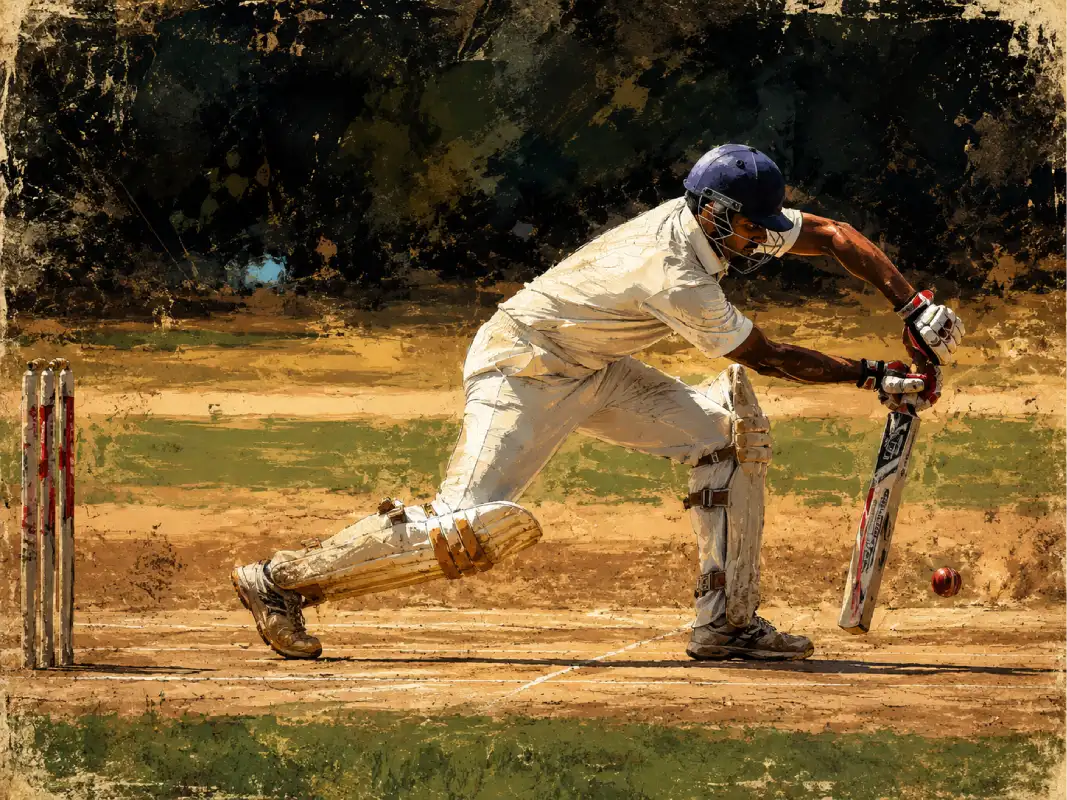

For new fans, cricket can feel difficult to understand at first because the sport includes different match formats, unique scoring methods, and many specialized rules. Once you learn the basics, however, the game becomes far easier to follow and much more enjoyable to watch.
Modern cricket includes several versions of the sport, ranging from long traditional matches to fast-paced T20 contests that can change within only a few overs.
Understanding the Main Match Formats
Professional cricket is played in three major formats, each offering a very different style of play.
| Format | Typical Length | Playing Style |
|---|---|---|
| Test Matches | Up to 5 Days | Strategic and patient |
| One Day Internationals (ODI) | Around 8 Hours | Balanced format |
| T20 Matches | Around 3 Hours | Fast-paced and aggressive |
Each format requires different tactics, player roles, and match strategies.
Test Matches Explained
Test cricket is considered the traditional version of the sport and is often viewed as the ultimate test of skill, patience, and endurance.
Teams play over multiple days, with each side receiving two innings to bat and bowl. Because matches last much longer, strategy becomes extremely important throughout the contest.
Pitch conditions can also change significantly over time, creating different challenges for batters and bowlers as the match progresses.
One Day International Format
One Day Internationals, commonly known as ODIs, limit each team to a fixed number of overs.
In most international matches, teams receive 50 overs each to score as many runs as possible before switching roles.
ODIs create a balance between patience and aggressive scoring, making them one of the most popular international formats.
Why T20 Became So Popular
T20 cricket transformed the sport by creating shorter and more explosive matches.
Each team receives only 20 overs, which encourages aggressive batting, creative shot-making, and high-scoring finishes.
| Key T20 Feature | Impact on the Match |
|---|---|
| Fewer Overs | Faster gameplay |
| Aggressive Batting | More boundaries and sixes |
| Quick Momentum Changes | Unpredictable finishes |
The shorter format helped attract new audiences and played a huge role in the growth of franchise leagues around the world.
How Runs Are Scored
Batting teams score runs in several different ways during an innings.
| Scoring Method | Runs Awarded |
|---|---|
| Running Between Wickets | 1–3 Runs |
| Ball Reaches Boundary | 4 Runs |
| Ball Clears Boundary | 6 Runs |
Building partnerships and rotating strike are both important parts of successful batting performances.
Understanding Wickets
The bowling side tries to dismiss batters and take wickets to slow scoring and end the innings.
A batter can lose their wicket in several ways, including:
- Bowled
- Caught
- Run out
- LBW (Leg Before Wicket)
- Stumped
Once enough wickets fall, the innings comes to an end.
Overs and Bowling Rotations
An over consists of six legal deliveries bowled by the same player.
After one over finishes, another bowler continues from the opposite end of the pitch. Teams rotate bowlers throughout the innings to manage stamina, strategy, and matchups against different batters.
Fast bowlers and spin bowlers both play important roles depending on pitch conditions and match situations.
Fielding and Team Strategy
Fielding positions constantly change throughout the game depending on tactics and scoring pressure.
Captains adjust field placements to:
- Prevent boundaries
- Create catching opportunities
- Pressure batters into mistakes
This strategic side of the game becomes easier to notice once you watch more matches.
Major International Tournaments
Several global competitions stand out as the biggest events in the sport.
| Tournament | Format |
|---|---|
| Cricket World Cup | ODI |
| T20 World Cup | T20 |
| ICC Champions Trophy | ODI |
| IPL | Franchise T20 League |
These tournaments often create some of the biggest rivalries and most dramatic moments every season.
Why the Sport Remains So Popular
One reason the game continues to attract huge audiences worldwide is the balance between strategy and explosive action.
Momentum can shift quickly after a wicket, a strong batting partnership, or a single over filled with boundaries. Different formats also allow fans to enjoy both long tactical battles and short high-pressure contests.
This variety keeps the sport exciting throughout the year.
Fans who want to explore the full picture often start with a complete guide to cricket covering rules, player roles, tournaments, and match strategy.