Cricket is a team sport where every player has a specific role during the match. Some players focus on scoring runs, others specialize in bowling, while fielders and wicketkeepers help control the game through positioning and quick reactions.
For new fans, understanding player roles and field positions makes matches much easier to follow. Once you recognize how teams build their strategy, the tactical side of the sport becomes far more interesting.
The Structure of a Cricket Team
A cricket team usually consists of eleven players with a mix of batting, bowling, and fielding skills.
Most teams are built around several key player types.
| Player Type | Main Responsibility |
|---|---|
| Batters | Score runs and build partnerships |
| Bowlers | Take wickets and limit scoring |
| All-Rounders | Contribute with both bat and ball |
| Wicketkeeper | Defend the stumps and assist fielders |
Balancing these roles correctly is one of the most important parts of team selection.
Batters Explained
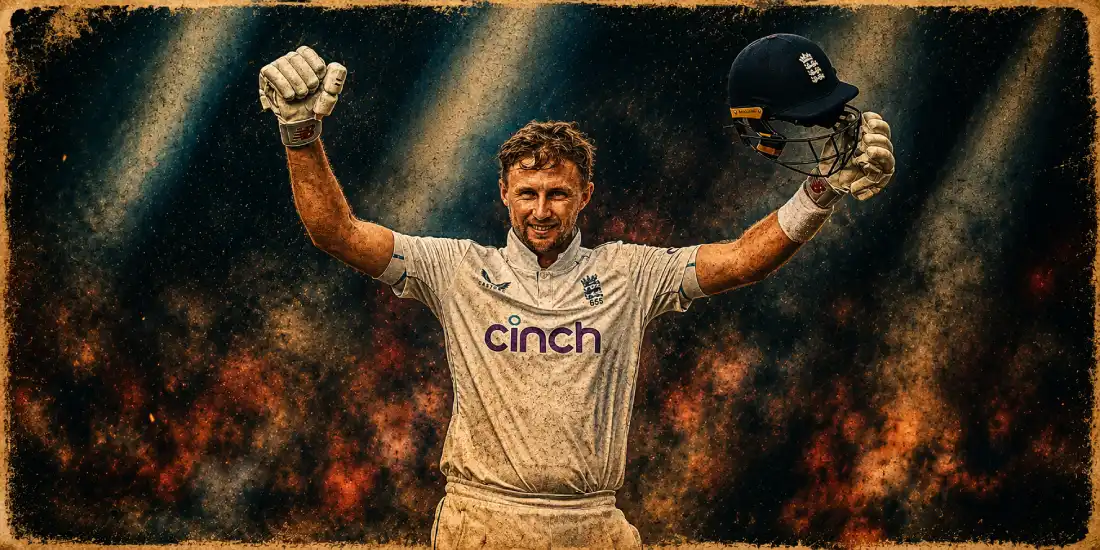
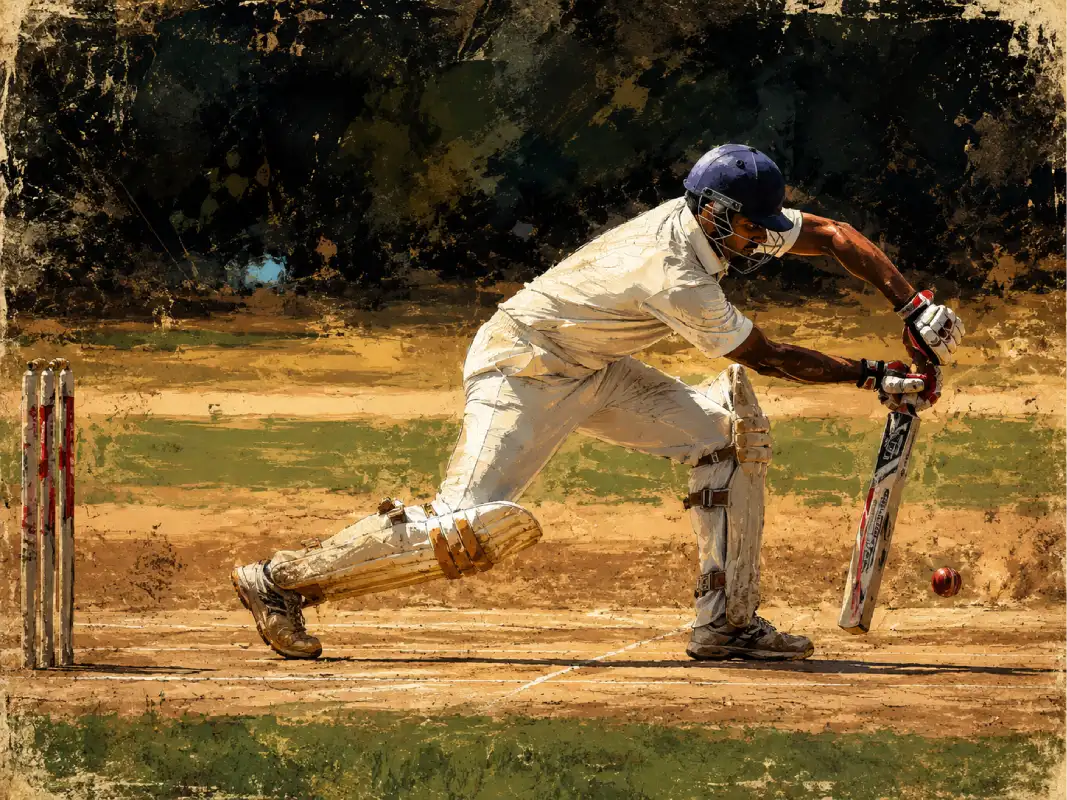
Batters are responsible for scoring runs and building stable innings.
Opening batters usually face the first deliveries of the match and must handle fast bowlers with the new ball. Middle-order players often focus on controlling the innings, while lower-order batters may play more aggressively near the end.
Strong batting partnerships are extremely important because they help teams build momentum and pressure the bowling side.
Different Types of Bowlers
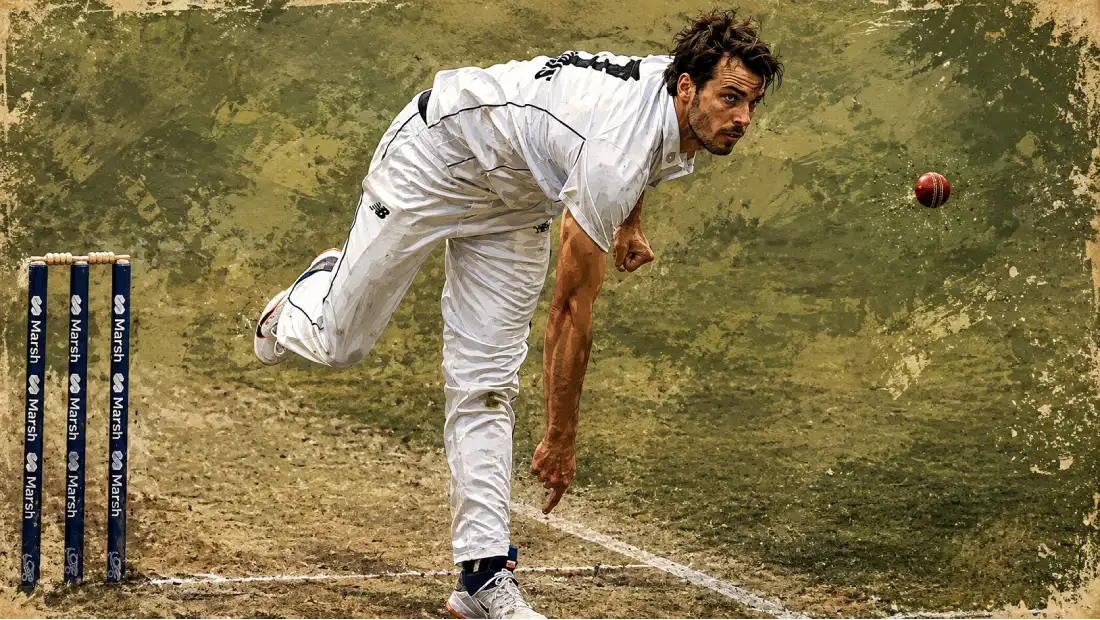
Bowlers try to dismiss batters and control the scoring rate.
There are two main bowling styles in professional cricket.
| Bowling Style | Main Strength |
|---|---|
| Pace Bowling | Speed and bounce |
| Spin Bowling | Turn and deception |
Fast bowlers rely on pace, movement, and aggression, while spin bowlers use accuracy and ball rotation to create mistakes from batters.
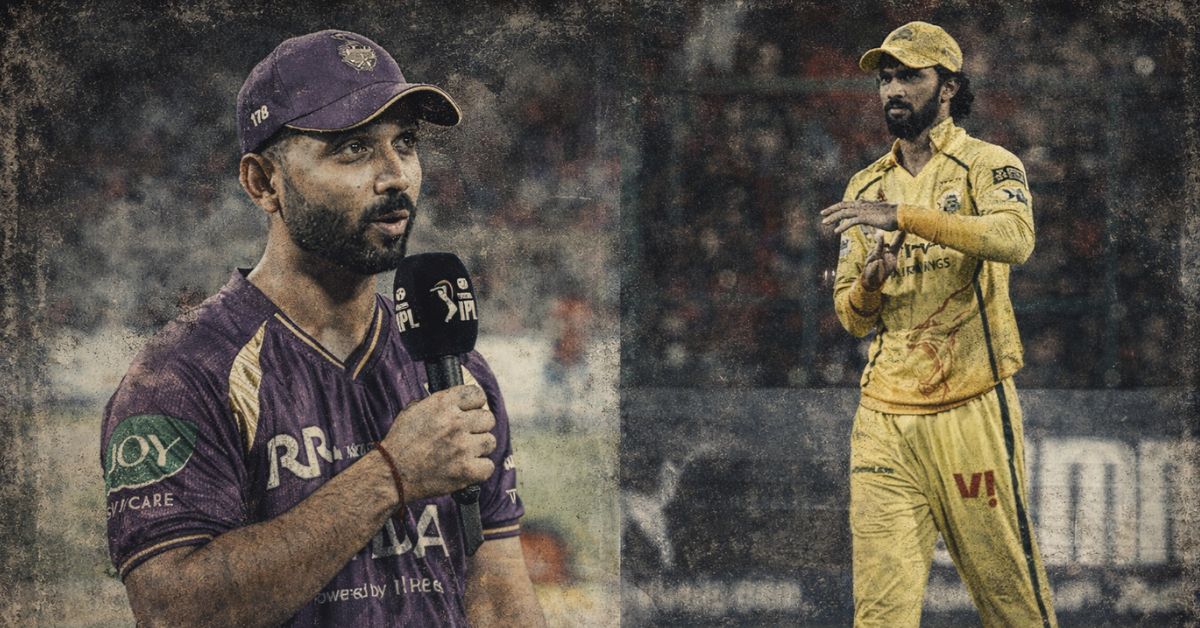
Captains often rotate bowlers throughout the innings depending on pitch conditions and match situations.
The Importance of All-Rounders
All-rounders are among the most valuable players in modern cricket because they contribute in multiple areas of the game.
A strong all-rounder can stabilize the batting lineup while also providing important overs with the ball. Teams with reliable all-rounders often have greater tactical flexibility during matches.
Many famous players became legends because of their ability to influence matches in several different ways.
What the Wicketkeeper Does
The wicketkeeper stands directly behind the stumps while the bowler delivers the ball.
This role requires:
- Fast reflexes
- Sharp catching ability
- Strong communication
- Quick decision-making
Wicketkeepers are involved in catches, stumpings, and run-out opportunities throughout the match.
Modern wicketkeepers are also expected to contribute strongly with the bat.
Understanding Field Positions
Field positions are constantly adjusted depending on the batter, bowler, and match situation.
Some positions focus on stopping boundaries, while others are designed to create wicket-taking opportunities.
| Field Position | Main Area |
|---|---|
| Slip | Near the batter for edge catches |
| Mid-Off | Straight in front of the batter |
| Fine Leg | Behind the batter on the leg side |
| Cover | Off-side fielding position |
| Long-On | Deep boundary area |
Captains carefully place fielders based on tactics and scoring patterns.
Why Captains Change Field Placements
Field settings are a major part of match strategy.
Captains constantly move fielders to:
- Protect boundaries
- Pressure batters
- Create catching chances
- Support bowling tactics
Aggressive field placements are often used when teams are trying to take wickets quickly, while defensive setups are common during high-scoring situations.
Communication and Teamwork
Although individual performances receive a lot of attention, cricket depends heavily on teamwork and communication.
Fielders must react quickly together, bowlers rely on tactical planning, and batters build partnerships by rotating strike and supporting each other under pressure.
Strong teamwork often becomes the difference during close matches.
How Player Roles Change in T20 Cricket
T20 cricket created more specialized roles within teams.
Some players focus almost entirely on:
- Power hitting
- Death-over bowling
- Spin control
- Fast scoring during powerplays
Because the format moves quickly, teams often build lineups around aggressive tactics and specific match situations.
Player roles only make full sense once you see how they connect to the wider rules of cricket, including scoring systems, tournaments, and overall match strategy.