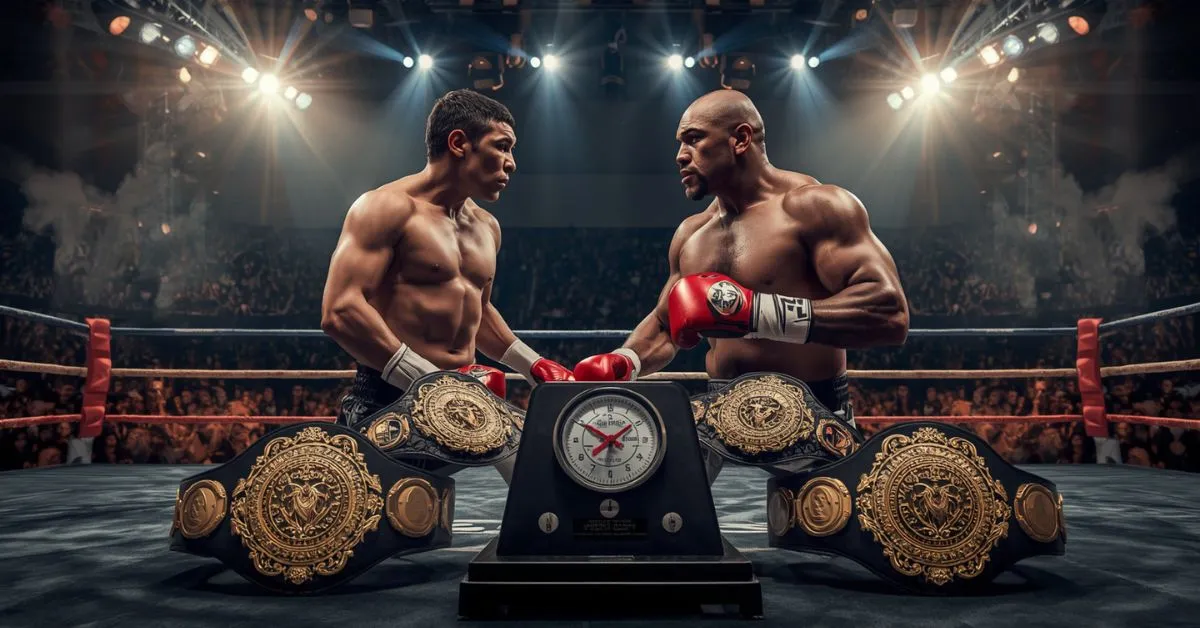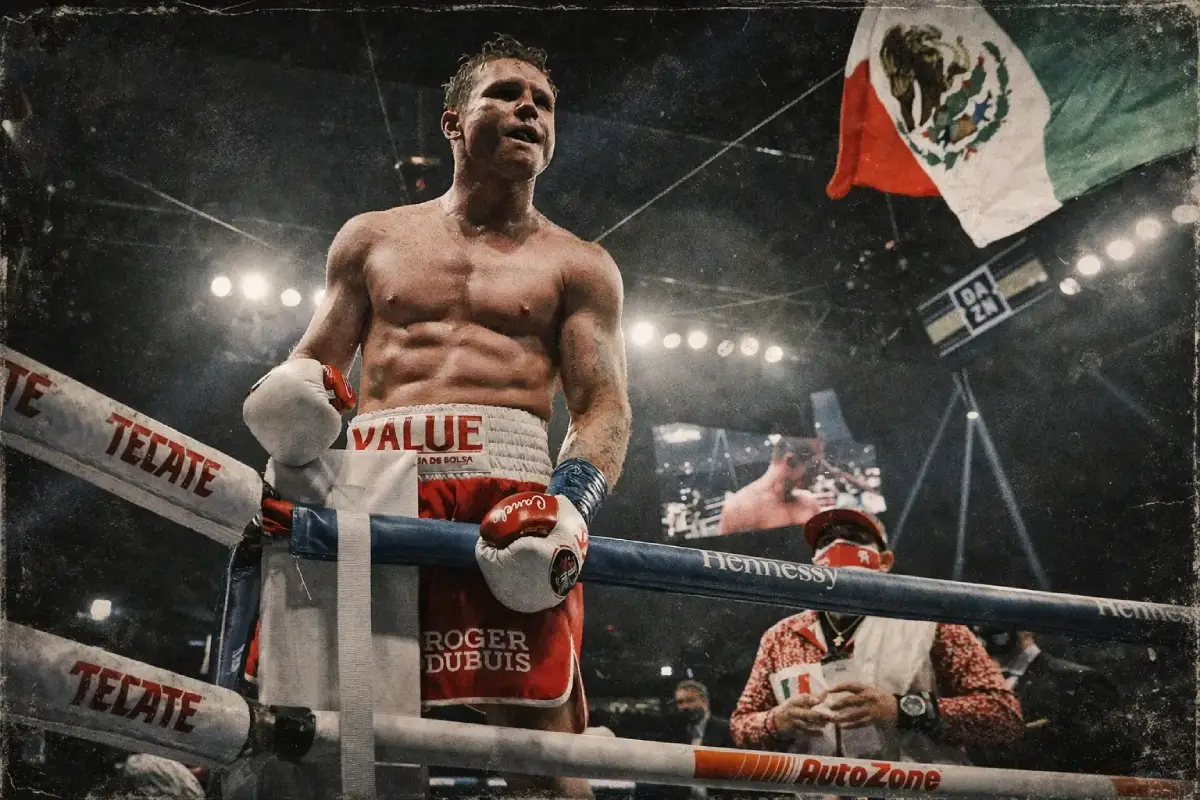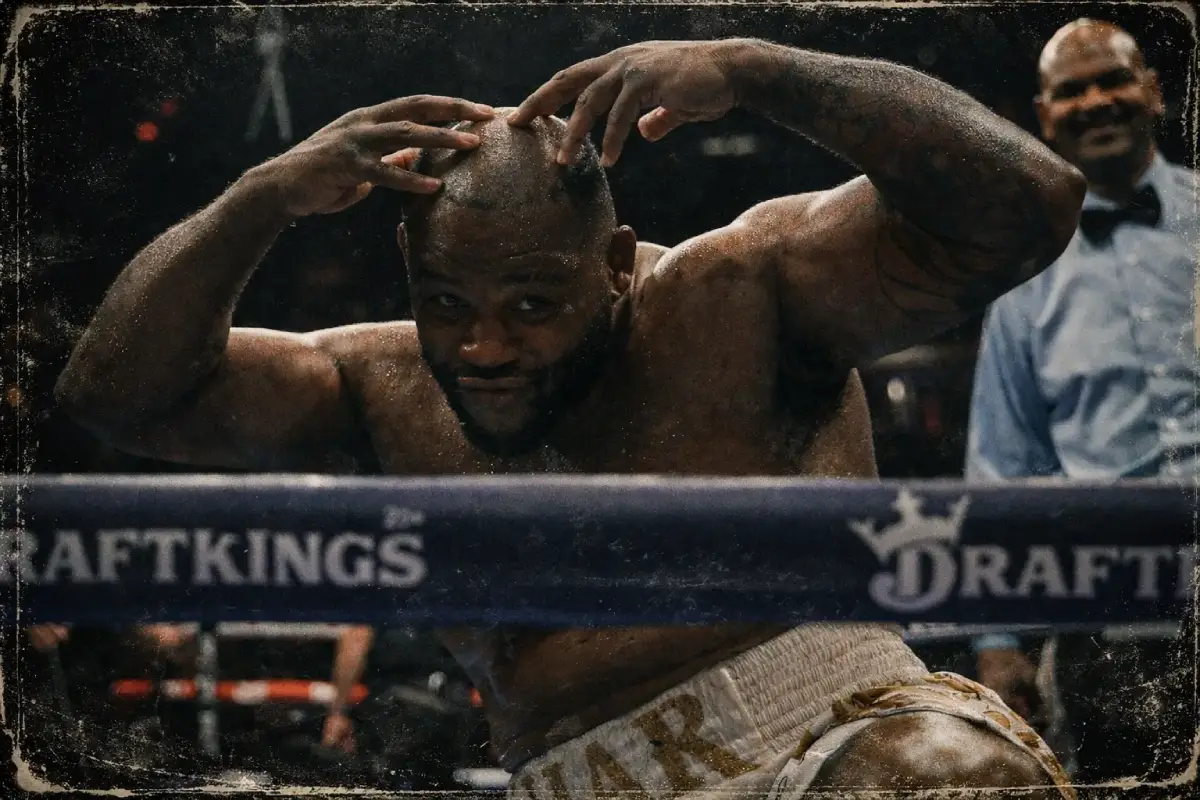
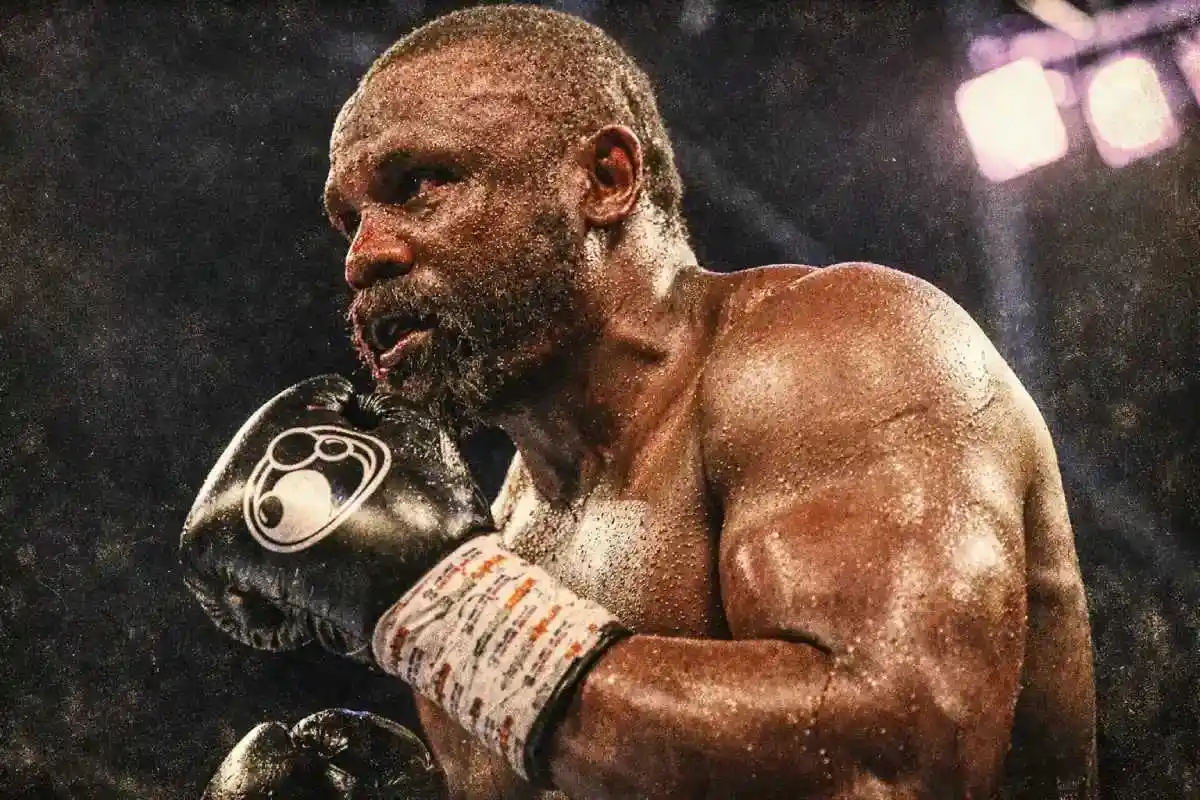
On April 4 at The O2 Arena, Derek Chisora and Deontay Wilder will answer a question that has defined both of their recent careers: Can experience and adjustments overcome decline?
The matchup pairs Chisora’s relentless pressure against Wilder’s devastating power. One fighter is 42 years old with 49 professional fights. The other is 40 with a 44-4-1 record that includes three knockout losses in his last six appearances. Both understand what losing means at this stage.
This isn’t about championships or rankings anymore. This is about proving something to yourself when the sport has already moved on.
The Chisora Formula: Pressure as Strategy
Chisora has won his last three fights using the same tactical approach that has defined his entire career. He cuts the ring, makes opponents uncomfortable, and outlasts them through sheer volume and physicality.
Against Joe Joyce in July 2024, Chisora weighed 259.7 pounds and used every bit of that mass. Joyce is technically superior, possesses better footwork, and hits harder than most heavyweights. None of it mattered. Chisora walked through Joyce’s offense, landed cleaner shots, and dropped him in the ninth round before winning a unanimous decision.
The formula worked again against Otto Wallin on February 8. Wallin had given Tyson Fury problems in 2019, boxing intelligently behind his jab and moving when necessary. Chisora negated those advantages by applying constant forward pressure. He dropped Wallin twice and won every round on two of the three scorecards.
What makes Chisora effective isn’t complicated. He understands angles better than his record suggests. When cutting the ring, he doesn’t chase in straight lines. He herds opponents toward the ropes by taking away escape routes, forcing them to either stand and trade or circle into his power side.
His jab isn’t pretty, but it’s functional. Chisora uses it to close distance rather than score points. Once inside, he throws hooks and uppercuts in combinations designed to smother rather than finish. The accumulation breaks opponents down mentally before it breaks them down physically.
Chisora’s defensive approach centers on head movement and a granite chin. He’s never been stopped in 49 professional fights despite facing some of the division’s hardest punchers. That durability enables an aggressive style that would be reckless for most fighters.
Against Wilder, the formula remains unchanged. Chisora will try to close distance immediately, take away Wilder’s space to load up the right hand, and force exchanges where his superior output and experience in rough fights give him advantages.
The Wilder Problem: Power Without Precision
Deontay Wilder possesses the most dangerous single punch in heavyweight boxing. His right hand has produced 43 knockouts in 44 victories. The threat of that punch changes how opponents approach every second of every round.
But power alone doesn’t win fights at this level. Not anymore.
Wilder’s recent losses exposed tactical deficiencies that elite opponents exploit. Joseph Parker circled, jabbed, and never gave Wilder the opportunity to set his feet and throw the right hand with full power. Parker won a unanimous decision by being patient and disciplined.
Zhilei Zhang took a different approach. He walked through Wilder’s power, absorbed the right hand in the third round, and continued applying pressure until stopping Wilder in the fifth. Zhang demonstrated that Wilder struggles when opponents refuse to respect his power or when they survive the initial onslaught.
Wilder’s fighting style hasn’t evolved significantly since he won the WBC title in 2015. He relies on his physical gifts: 6-foot-7 height, 83-inch reach, and exceptional hand speed for a heavyweight. His game plan rarely extends beyond waiting for opportunities to land the right hand.
The defensive fundamentals remain problematic. Wilder’s hands drop when he throws punches. He squares his stance when loading up on power shots. His head movement is minimal. Against patient boxers or aggressive pressure fighters, these flaws become exploitable.
His best performances have come against opponents who either stood in front of him or who he could time as they came forward. Luis Ortiz, Dominic Breazeale, and Bermane Stiverne all fought in ways that played to Wilder’s strengths. They gave him targets and opportunities to land clean power shots.
His worst performances have come against opponents who disrupted his rhythm. The Tyson Fury trilogy showed what happens when Wilder faces someone who can box, survive his power, and adjust mid-fight. Parker demonstrated what happens when an opponent refuses to engage on Wilder’s terms.
The Tactical Matchup
This fight will be decided by distance management and ring positioning. Chisora wants close quarters. Wilder needs space.
If Wilder can establish his jab early and use his reach advantage to keep Chisora at the end of his punches, he controls the fight. The threat of the right hand keeps Chisora from committing fully to his pressure. One clean shot changes everything.
If Chisora can get inside Wilder’s reach and force exchanges against the ropes, his advantages compound. Wilder has never demonstrated the ability to fight effectively when backed up. His offense disappears when he can’t set his feet. His defense becomes even more porous when he’s forced to shell up rather than counter.
The opening three rounds will establish the pattern. Chisora will come forward immediately, testing Wilder’s willingness to stand and trade. Wilder will try to time Chisora’s entries with the right hand.
Whoever succeeds in imposing their preferred range and rhythm takes control. Boxing is often that simple.
The Conditioning Question
Both fighters are over 40. Both have fought long, physically demanding careers. Conditioning becomes a legitimate tactical factor.
Chisora fought 12 hard rounds against Wallin less than two months before the Wilder fight. His ability to maintain his pressure style deep into fights has been a career-long strength. At 42, that conditioning remains impressive but not guaranteed.
Wilder stopped Tyrrell Anthony Herndon in seven rounds last June. Before that, he went 12 rounds with Parker. His conditioning has been inconsistent throughout his career, sometimes fading in later rounds, other times maintaining power deep into fights.
If the fight goes past six rounds, advantage shifts to Chisora. His style is designed for attrition. Wilder’s power remains dangerous at any moment, but his volume decreases when tired. A tired Chisora is still throwing punches. A tired Wilder is waiting for one opening that may never come.
The Mental Element
Wilder hasn’t won a meaningful fight since knocking out Robert Helenius in October 2022. The losses to Parker and Zhang damaged his confidence in ways that aren’t easily repaired. When things go wrong, Wilder has shown a tendency to abandon strategy and hope for one big punch.
Chisora is on the opposite trajectory. Three consecutive wins against credible opponents have restored belief that was shaken by losses earlier in his career. He’s fighting with the confidence of someone who has nothing to lose and everything to gain.
That mental difference matters in close rounds and difficult moments. Chisora has been broken before and came back. Wilder is discovering what losing feels like after years of dominance. How each responds to adversity could determine the outcome.
What Victory Requires
For Chisora, the path is clear. Apply pressure from the opening bell. Make Wilder uncomfortable. Force him to fight going backward. Don’t give him space to set the right hand. Survive the early rounds when Wilder’s power is most dangerous. Break him down gradually through volume and physicality.
For Wilder, success requires discipline and patience. Use the jab to establish distance. Circle away from Chisora’s power side. Don’t engage when Chisora gets inside. Reset and create space. Trust the right hand will come. Don’t force it. One clean shot is enough.
Both game plans are simple in theory. Execution determines everything.
The Stakes Beyond April 4
The winner gains options. Chisora could secure the world title shot Frank Warren has mentioned. Wilder could rebuild credibility and attract meaningful opponents.
The loser faces difficult decisions. Chisora has already indicated he’s approaching retirement. Another loss at 42 likely ends any remaining dreams of championship glory. Wilder at 40 with five losses and diminishing power would struggle to justify continued competition at the elite level.
This fight matters because both men need it to matter. Neither can afford to lose. Neither has many opportunities remaining.
The Likely Outcome
Wilder’s power makes him dangerous in any fight. One right hand can change everything, regardless of what happens in the previous rounds.
But Chisora’s style and recent form suggest he has the tactical advantages necessary to minimize that threat. If he can get inside Wilder’s reach and force sustained exchanges, his superior output and ring craft should accumulate points and wear Wilder down.
The fight likely plays out in one of two ways. Either Wilder lands the right hand early and stops Chisora, or Chisora weathers the early danger and breaks Wilder down over the second half of the fight.
Given Wilder’s recent struggles when opponents pressure him and Chisora’s durability, a late stoppage or wide decision for Chisora represents the most probable outcome. But in heavyweight boxing, power always gets the final say.
April 4 will tell us whether Deontay Wilder’s right hand still changes everything, or whether Derek Chisora’s old-school pressure fighting remains effective against one of the division’s most dangerous punchers.
Two veterans. One needs to prove he’s still dangerous. The other needs to prove he’s still relevant. The O2 Arena will provide the answer.