Understanding the baseball field and the nine defensive positions is one of the first steps toward following the sport. Each player covers a clearly defined area and has a specific role to play on every pitch.
For new fans, the field can look complex at first glance. Once the layout and the positions are understood, watching a game becomes much easier to follow.
The Layout of a Baseball Field
A baseball field is divided into two main areas: the infield and the outfield.
The infield is the square area called the diamond, with four bases set at the corners. The outfield is the large grass area beyond the infield where outfielders cover deeper hits.
Home plate sits at one corner of the diamond. The other three bases are arranged in a counter-clockwise pattern, with runners required to touch each base in order to score a run.
The pitcher’s mound sits at the center of the infield. Foul lines extend outward from home plate through first base and third base, separating fair territory from foul territory.
Why Baseball Has Nine Defensive Positions
A team places nine players on the field when playing defense. Each position covers a specific area with its own responsibilities. The structure is identical across every level of baseball, from Little League to the MLB.
The positions are divided into three groups: the pitcher and catcher, the infielders, and the outfielders. Together these groups cover the entire field.
This structure allows defenders to react quickly to any ball put into play, no matter where it lands.
The Infield Positions Explained
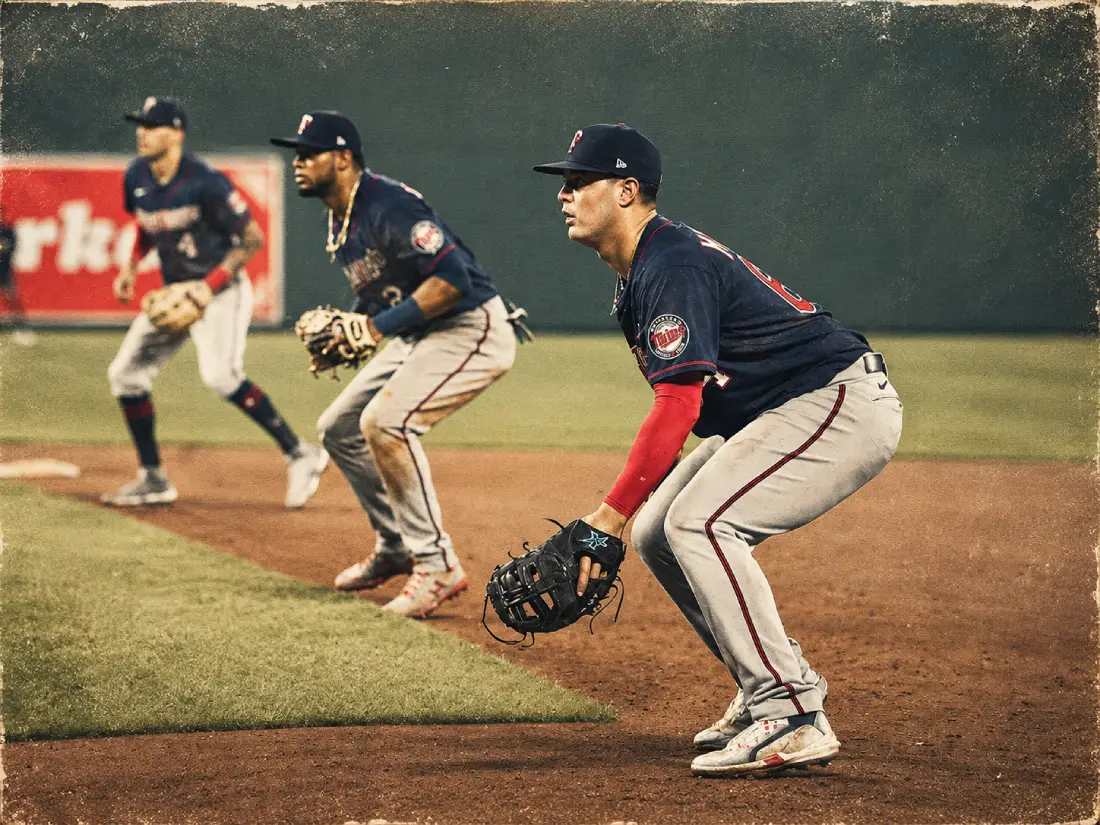
Infielders cover the area around the diamond and handle most ground balls hit into play.
Each infielder is responsible for a defined section of the infield. They also work together on plays that involve more than one defender, such as double plays and force outs.
| Position | Area Covered |
|---|---|
| First Baseman | Right side of the infield near first base |
| Second Baseman | Between first and second base |
| Third Baseman | Near third base on the left side of the infield |
| Shortstop | Between second and third base |
Strong infielders need quick reflexes, accurate throws, and reliable hands to handle hard-hit balls.
The Outfield Positions Explained
Outfielders cover the large grass area beyond the infield.
The left fielder plays behind third base. The center fielder covers the middle of the outfield. The right fielder plays behind first base.
Center field is often considered the most demanding outfield position (and a great John Fogerty song) because of how much ground the player must cover. Outfielders typically need strong throwing arms to send the ball back to the infield on hits that go deep.
The Role of the Pitcher and Catcher
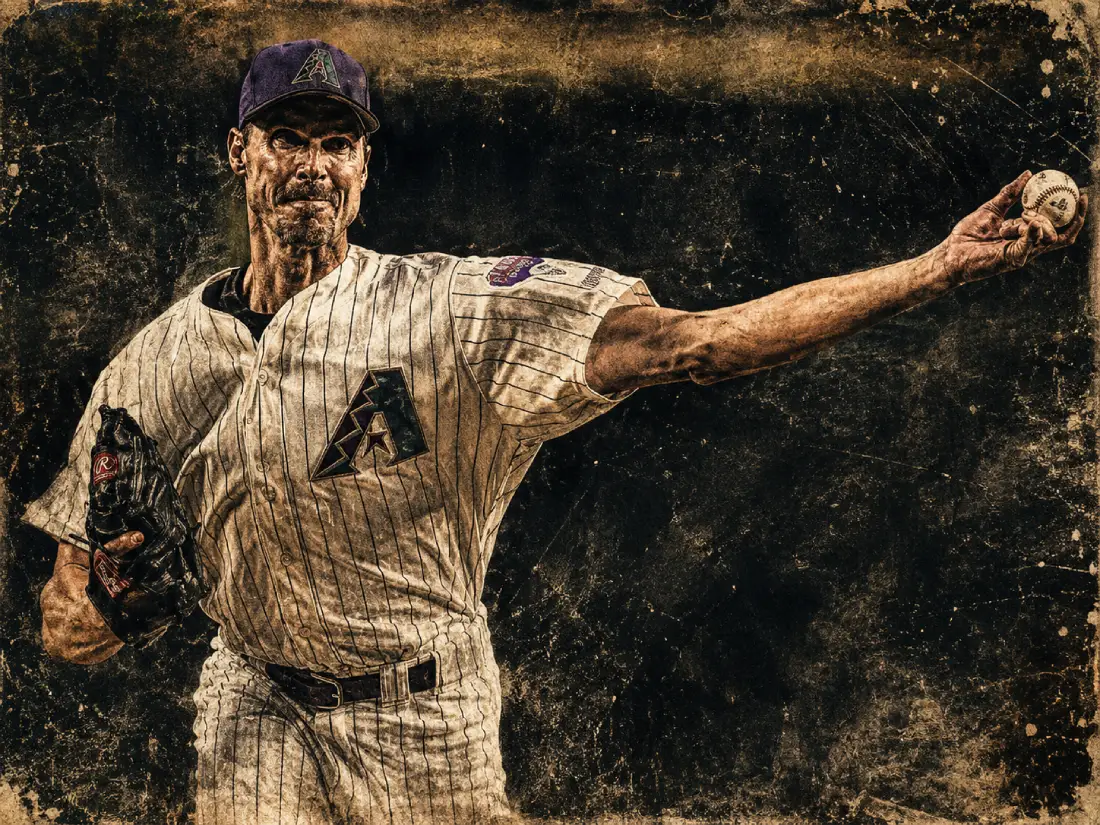
The pitcher and catcher are sometimes called the battery. They are involved in every single pitch of the game.
The pitcher stands on the mound and throws the ball toward home plate. Their job is to prevent the batter from making strong contact.
The catcher squats behind home plate and receives every pitch. They also signal which pitches to throw and help guide the pitcher through difficult moments in a game.
How Position Numbers Work
Each defensive position has a number used in scoring and statistics.
These numbers do not represent jersey numbers. They are used by scorekeepers to record plays quickly and consistently.
| Number | Position |
|---|---|
| 1 | Pitcher |
| 2 | Catcher |
| 3 | First Baseman |
| 4 | Second Baseman |
| 5 | Third Baseman |
| 6 | Shortstop |
| 7 | Left Fielder |
| 8 | Center Fielder |
| 9 | Right Fielder |
A ground ball fielded by the shortstop and thrown to the first baseman, for example, is recorded as a 6-3 putout. These numbers appear regularly in box scores and play-by-play summaries.
What Shortstop Means and Why It Matters
The shortstop position has a unique name and one of the most important roles on the field.
The position was originally created to cover short throws between the infield and the outfield. Over time, the role evolved into the primary defender between second base and third base.
Shortstops typically need quick reflexes, strong throwing ability, and excellent range. Most teams consider shortstop one of the most challenging positions to play at a high level.
How Defensive Alignment Changes the Game
Defensive positioning is not fixed during every play.
Teams often shift players based on the batter, the count, or the situation. Infielders may move closer together to defend against bunts. Outfielders may shift left or right based on where a hitter usually hits the ball.
Strong defensive alignment can prevent runs and create outs that change the outcome of a game.