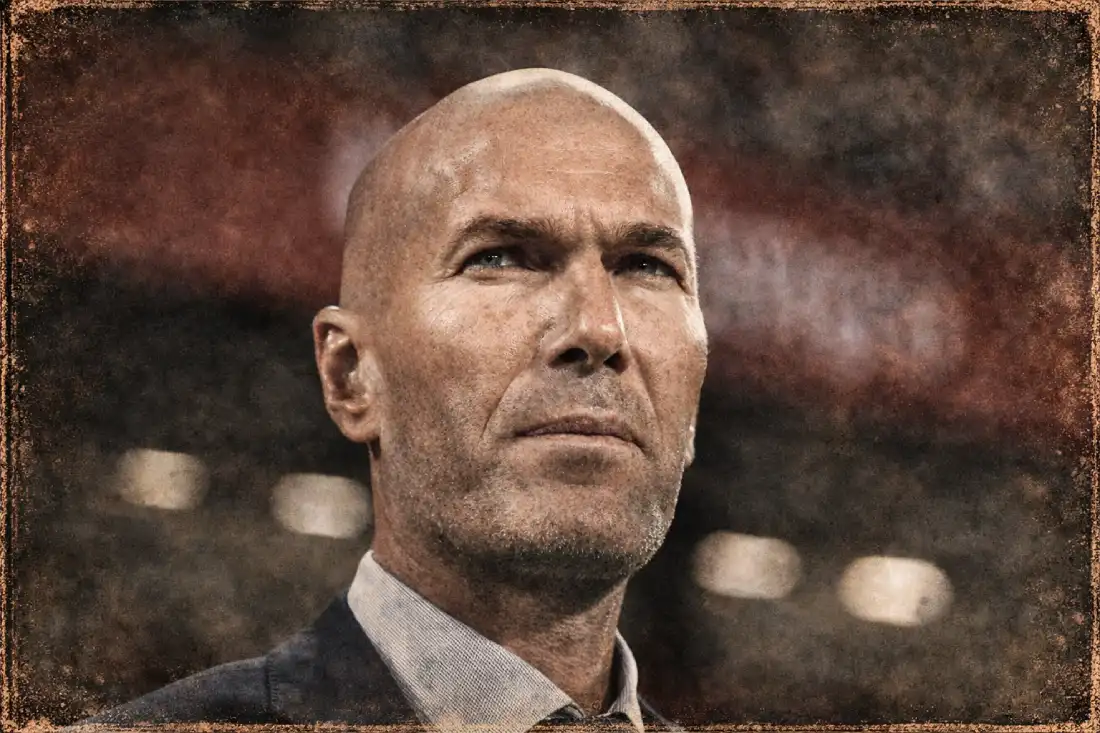
The landscape of French football is preparing for a seismic shift that has been nearly a decade in the making. According to reports from Julien Laurens and sources close to the situation, Zinedine Zidane has reached a verbal agreement with the French Football Federation to succeed Didier Deschamps as the head coach of the national team. This transition is set to take place immediately following the conclusion of the 2026 World Cup, marking the end of a 14-year tenure for Deschamps that has seen France firmly re-establish itself as the pre-eminent power in global football. For Zidane, the appointment represents the fulfillment of a long-held ambition and a homecoming to the stage where he achieved his greatest triumphs as a player.
The End of an Era and the Return of an Icon
The departure of Didier Deschamps has been an open secret within the corridors of the FFF for over a year. Having taken the reins in 2012, Deschamps presided over a golden age, winning the 2018 World Cup and the 2021 Nations League, while also reaching the finals of Euro 2016 and the 2022 World Cup. However, the sense that a fresh cycle is required has become undeniable. At 53, Zidane is viewed not just as a successor, but as the natural heir to the throne. He has famously spent the last five years in a state of professional hibernation, reportedly turning down lucrative offers from top-tier clubs like Paris Saint-Germain and Manchester United, as well as several other national teams, all to ensure he was available when the Les Bleus vacancy finally opened.
Confirmation of this succession plan was subtly provided by FFF president Philippe Diallo in a recent interview with Le Figaro. When asked directly about the identity of the next manager, Diallo admitted that the federation had already finalized its choice, stating simply, “I know who it is.”
While Diallo stopped short of naming Zidane officially to avoid undermining the current squad’s focus on the upcoming World Cup, insiders confirm that the agreement is ironclad. The criteria for the role were exceptionally high, requiring a candidate with a specific profile that commands the respect of both the French public and a locker room filled with world-class egos. Zidane, a national icon who captained the team during his playing days, ticks every box.
The timing of the announcement, though still verbal, allows the FFF to manage a smooth transition. The federation received fewer than five applications for the post, a testament to the fact that the job is seen as one that only a select few can navigate. Zidane’s managerial record at Real Madrid, where he won three consecutive Champions League titles, provides the statistical weight to match his legendary status. The transition from the pragmatic, defensive-minded approach of Deschamps to the more fluid, player-centric management style of Zidane is expected to breathe new life into a squad that, despite its talent, has occasionally faced criticism for being overly cautious in major tournaments.
Tactical Shifts and the Final backroom Negotiations
While the overarching agreement between Zinedine Zidane and the FFF is settled, the final hurdles involve the composition and scale of the new coaching staff. Zidane has historically operated with a very specific inner circle, most notably his long-time assistant David Bettoni.
Reports suggest that Zidane is seeking an expanded backroom team compared to the leaner structure currently employed by Deschamps. He views the modernization of the national team’s training and analytical departments as a priority, intending to bring the high-performance culture he cultivated at the Santiago Bernabeu to the Clairefontaine training base. Negotiations are currently centered on the number of specialized assistants and data analysts Zidane can bring into the fold.
Beyond the staff, the tactical implications of Zidane’s arrival are already a major talking point among French analysts. Under Didier Deschamps, France has often been defined by its resilience and ability to win ugly. Zidane, however, is expected to empower the creative core of the team, potentially shifting the tactical focus to better utilize the technical proficiency of players like Eduardo Camavinga and Aurelien Tchouameni, whom he managed during his second stint at Real Madrid.
The prospect of Zidane working directly with Kylian Mbappe is perhaps the most enticing narrative for fans. Mbappe has long expressed his admiration for the 1998 World Cup winner, and their partnership is seen as the key to France maintaining its dominance through the end of the decade.
The emotional weight of this appointment cannot be overstated. Zidane is more than a coach in France; he is a symbol of the nation’s greatest sporting achievements.
His return to the national team setup ends a five-year absence from the dugout and fulfills a “destiny” that has been discussed since he first stepped into management with Real Madrid Castilla. For the FFF, securing Zidane provides an immediate boost in commercial appeal and public support, ensuring that the post-Deschamps era begins with a wave of optimism rather than the uncertainty that often follows the departure of a long-serving manager.
As the 2026 World Cup approaches, the focus remains on Deschamps and his quest to lead France to a third star. However, the knowledge that Zidane is waiting in the wings adds a layer of historical context to every match. The transition marks the definitive passing of the baton between two teammates of the 1998 winning squad.
Once the final whistle blows in North America, the verbal agreement will be codified into a formal contract, and Zinedine Zidane will officially begin his mission to repeat his playing success from the touchline. This move cements France’s commitment to excellence, ensuring the national team remains in the hands of a leader who understands the weight of the jersey better than anyone else in the world.