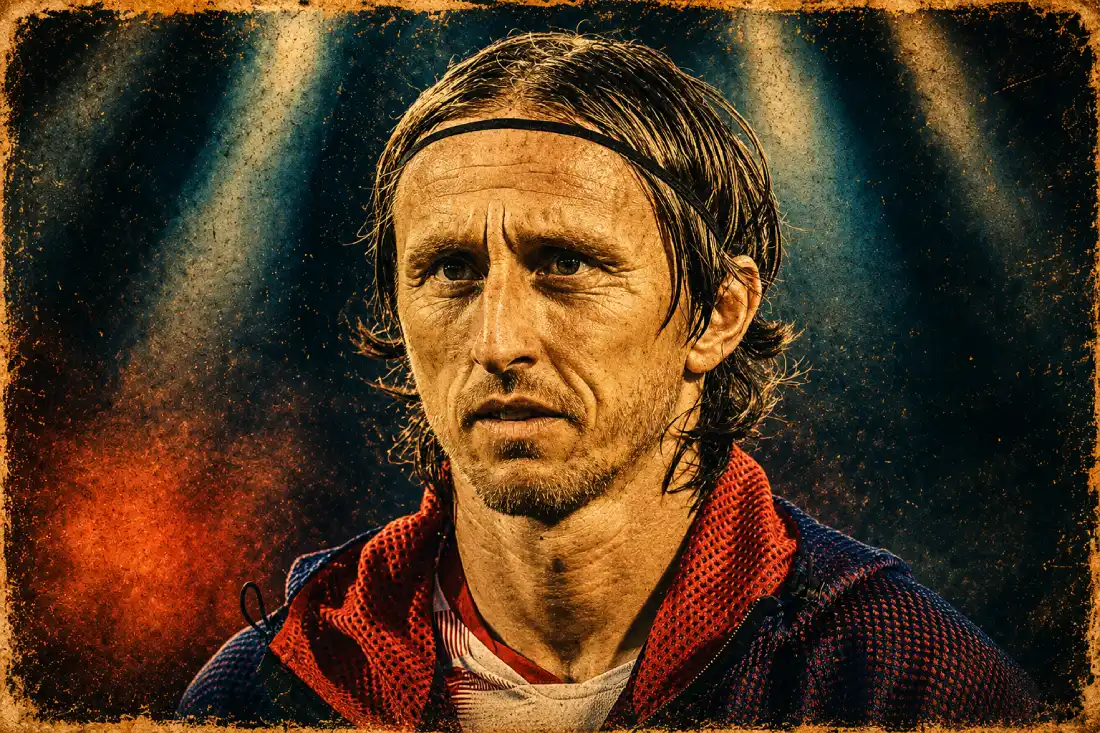

Twenty eight years of hurt. Twenty eight years of watching other nations play at the biggest tournament in football while the Tartan Army stayed home. That painful drought ended on one incredible November night in Glasgow. Scotland is going to the World Cup. Finally. The way they qualified made it even more special. Down to the final match. Needing to beat Denmark at Hampden Park. Two stoppage time goals that sent the stadium into absolute chaos. It was the most dramatic night in Scottish football history.
Now Scotland faces a new challenge. They have never made it past the group stage of a World Cup. Eight previous appearances. Eight first round exits. This time has to be different. This generation of Scottish players is the most talented in decades. They have the quality to make history in North America.
World Cup History: A Record of Heartbreak
Scotland has qualified for eight World Cups. They have played in 23 World Cup matches. And they have never once advanced past the group stage. That record is painful to admit. But it tells the story of Scottish football at the World Cup. So close. So many times. Yet always falling just short. The journey started at the 1954 World Cup in Switzerland. Scotland refused to take part in the 1950 tournament despite qualifying. In 1954, they only sent 13 players to the finals. They lost both matches and went home early.
The 1958 World Cup in Sweden brought similar results. Scotland lost to France and Paraguay. They drew with Yugoslavia but finished bottom of their group. Things looked better at the 1974 World Cup in West Germany. Scotland beat Zaire 2-0 and drew with both Brazil and Yugoslavia. They were the only unbeaten team in the entire tournament. But they still went home because of goal difference.
That remains one of the cruelest exits in World Cup history. In 1978 in Argentina, Scotland needed a win over the Netherlands to advance. They got that win, beating the runners-up 3-2 with an incredible Archie Gemmill goal. But results in other matches meant it was not enough. Goal difference knocked them out again.
The 1982 World Cup in Spain saw Scotland draw with the Soviet Union and New Zealand before losing to Brazil. They finished third in their group and went home. At the 1986 World Cup in Mexico, Scotland lost to Denmark and West Germany before beating Uruguay.
Not enough to advance. The 1990 World Cup in Italy brought another group stage exit. Scotland lost to Costa Rica and Brazil before drawing with Sweden. And then came 1998 in France. Scotland’s last World Cup before this one. They opened the tournament against Brazil and lost 2-1. Morocco beat them 3-0. A 1-0 win over Norway was not enough. Another group stage exit. Another flight home. Eight tournaments. Eight group stage eliminations. No other country with that many World Cup appearances has such a record. It is a curse that Scotland desperately wants to break in 2026.
Road to 2026: Redemption in Glasgow
The path to World Cup 2026 was never going to be easy. Scotland found themselves in UEFA Group C alongside Denmark, Greece, Belarus, and Cyprus. Denmark was the main threat. Greece proved to be dangerous too. Scotland started their campaign in September 2025 with a 0-0 draw away to Denmark. Not the ideal start, but a solid defensive performance that showed this team could compete with quality opponents.
The wins started coming after that. Scotland beat Belarus 2-0 at home. Ryan Christie and Lewis Ferguson scored the goals that got the campaign on track. In October, Greece visited Hampden Park. Scotland dominated them 3-1 with goals from Christie, Ferguson, and Lyndon Dykes. The Tartan Army started to believe. Another win over Belarus followed in November. This was the easy part of the schedule and Scotland took advantage.
Four wins from four against Cyprus and Belarus. No slip ups against weaker opponents. But then came a shock. In the second to last match, Scotland traveled to Greece and lost 3-2. That defeat put everything in doubt. Denmark had a chance to qualify with a draw in their final match at home to Belarus. Then the miracle happened. Belarus held Denmark to a 2-2 draw in Copenhagen. Scotland still had a chance. Win at home against Denmark and the World Cup dream becomes reality.
Best Qualifier Moment: The Night at Hampden
November 18, 2025. Hampden Park in Glasgow. This is the night Scotland will talk about for generations. The stadium was packed with 49,587 screaming fans. The tension was unbearable. Scotland had to win. A draw would send Denmark through instead.
The match started perfectly. Just three minutes in, Scott McTominay scored with an overhead bicycle kick that will be replayed forever. The roof nearly came off Hampden. But Denmark fought back. Rasmus Hojlund scored a penalty in the second half. The score was 1-1. Scotland needed more. Then Denmark defender Rasmus Kristensen got his second yellow card. Denmark were down to 10 men with 29 minutes left. Scotland had the advantage. Lawrence Shankland came off the bench and scored in the 78th minute. Scotland led 2-1. Eight minutes later, Patrick Dorgu equalized for Denmark.

Back to 2-2 with time running out. The stadium fell quiet. This felt like another Scottish heartbreak waiting to happen. But then came the magic. In the 93rd minute, Kieran Tierney struck a beautiful curling shot from 20 yards out. The ball flew into the corner of the net. Scotland 3, Denmark 2.
The celebrations barely started when Kenny McLean scored from inside his own half. The Danish goalkeeper had pushed forward. McLean saw the empty net and chipped the ball from 55 yards. It bounced twice and rolled over the line. Final score: Scotland 4, Denmark 2. The pitch was covered in celebrating players and fans. Grown men cried in the stands. Andy Robertson fell to his knees. Steve Clarke pumped his fists. Scotland was going to the World Cup for the first time since 1998.
Top Players to Watch
This Scotland squad has more talent than any team since the 1990s. Here are the players who will lead the charge in North America. Scott McTominay is the heartbeat of this team. The Napoli midfielder has transformed from a steady defensive player at Manchester United into a goalscoring force in Italy. He won Serie A Most Valuable Player in his first season with Napoli. He also earned a Ballon d’Or nomination. At 29 years old during the tournament, McTominay will be at the peak of his powers. His overhead kick to start the Denmark match was the moment that changed everything. He combines defensive solidity with an ability to arrive in the box at the perfect time.
Andy Robertson captains this Scotland team. The Liverpool left back is one of the best in the world at his position. He has won the Premier League twice and the Champions League with Liverpool. At 32 years old, Robertson knows this might be his only World Cup. He leads by example with his tireless running and fierce competitive spirit. His work rate never drops for a single second. John McGinn controls the midfield alongside McTominay.
The Aston Villa captain brings energy and passion to every match. McGinn can defend, he can create, and he can score important goals. His leadership will be crucial when Scotland faces difficult moments. Kieran Tierney plays left back when Robertson pushes forward or as a left sided center back. The Arsenal defender scored one of the most important goals in Scottish history against Denmark. His versatility gives Steve Clarke tactical options.
Lawrence Shankland provides a proven goalscoring threat off the bench or as a starter. The striker came on against Denmark and changed the match with his goal. He knows how to find the net when it matters most. Ryan Christie and Ben Doak give Scotland pace and creativity in attack. Christie has scored important goals throughout qualifying. Doak is just 20 years old but already showing he can perform at the highest level. The Liverpool winger is fearless with the ball. Kenny McLean scored that incredible goal from the halfway line against Denmark. His composure and vision in big moments make him valuable in any situation.
Manager Profile: Steve Clarke
Steve Clarke is the man who finally took Scotland back to the World Cup. The 62-year-old was appointed Scotland manager in May 2019 and has transformed the national team. Clarke was born in Saltcoats, Scotland in 1963. He played as a defender for St Mirren and Chelsea, winning three major trophies with Chelsea in the late 1990s. After retiring, he became a successful assistant coach, working under Jose Mourinho at Chelsea and helping win two Premier League titles. His managerial career included spells at West Bromwich Albion, Reading, and Kilmarnock. At Kilmarnock, Clarke led them to third place in the Scottish Premiership and European qualification. He won Manager of the Year awards for that achievement. When Clarke took over Scotland in 2019, the national team had not qualified for a major tournament since 1998. He changed that immediately.
Scotland qualified for Euro 2020 through the Nations League playoffs. They qualified for Euro 2024 by winning their group. And now they have qualified for the World Cup. Clarke uses a flexible 3-4-3 or 4-3-3 formation depending on the opponent. He emphasizes defensive organization while allowing creative players freedom going forward. His teams are hard to beat and always give maximum effort. The qualification campaign proved Clarke’s tactical intelligence. He got results away from home with defensive solidity. At Hampden, his teams played with aggression and confidence. Clarke has created a culture of belief within the Scotland squad.
Players trust his methods and fight for each other on the pitch. That unity showed in the dramatic win over Denmark. His contract runs through 2026, covering the World Cup. Clarke has already achieved legendary status by ending the 28-year wait. Now he wants to go further and lead Scotland past the group stage for the first time ever.
Tournament Expectations
Scotland enters the 2026 World Cup with realistic expectations. They are not favorites to win the tournament. But they have the talent and experience to surprise people. The expanded 48-team format helps Scotland. More teams advance to the knockout rounds. The top two teams from each group qualify automatically. The eight best third place teams also go through. That means 32 of 48 teams make the Round of 32. Scotland should target getting out of the group. With their squad quality, finishing in the top two or three of Group C is achievable.
Anything less would be a massive disappointment. The key will be starting fast. Scotland has to get a result in the opening match against Haiti. That sets the tone for everything else. A win in game one builds confidence and puts pressure on Brazil and Morocco. Can Scotland reach the quarterfinals? It is possible if they win the group and get a favorable Round of 32 matchup.
But the realistic goal is making it past the group stage. Breaking that curse would be a monumental achievement on its own. This generation of Scottish players is too talented to go home after three matches. They have proven they can beat quality teams like Denmark and Spain. They have the belief that comes from qualifying in such dramatic fashion. Scotland will not fear anyone. The Tartan Army will create an incredible atmosphere in every stadium. This team feeds off that energy.
World Cup 2026 Group Stage: The Challenge Ahead
Scotland landed in Group C at the World Cup draw in December 2025. Their opponents are Brazil, Morocco, and Haiti. This is known as one of the toughest groups in the tournament. Brazil are five-time World Cup winners and one of the favorites to lift the trophy. They have world class talent in every position. Carlo Ancelotti manages them now. Scotland faced Brazil at the 1998 World Cup in the opening match and lost 2-1. This will be another huge test. Morocco reached the semifinals at the 2022 World Cup. They became the first African nation and first Arab nation to make the final four. Their defense is incredibly organized and hard to break down. Morocco can beat anyone on their day. Haiti returns to the World Cup for the first time since 1974.
They will be emotional and motivated. Scotland cannot overlook them in the opening match. Here is Scotland’s complete group stage schedule:
| Match | Date | Opponent | Venue | Time (ET) |
|---|---|---|---|---|
| 1 | June 13, 2026 | Haiti | Gillette Stadium, Foxborough, Massachusetts | 9:00 PM |
| 2 | June 19, 2026 | Morocco | Gillette Stadium, Foxborough, Massachusetts | 6:00 PM |
| 3 | June 24, 2026 | Brazil | Hard Rock Stadium, Miami, Florida | 6:00 PM |
The good news is Scotland plays their first two matches at the same venue in Boston. No travel issues between games one and two. That helps with recovery and preparation. The Haiti match is absolutely crucial. Scotland has to win that opener. A loss would put them in a desperate position immediately. Three points against Haiti gives Scotland confidence and puts them in control of their destiny. The Morocco match six days later will likely decide who advances alongside Brazil. Morocco will be tough to break down. Their defensive organization at the 2022 World Cup was exceptional. Scotland will need to be patient and take their chances when they come. The final match against Brazil in Miami will be special no matter what. If Scotland has already secured advancement, they can play freely against the favorites. If they need a result, the Tartan Army will create an incredible atmosphere to push the team forward. Getting four points from Haiti and Morocco would probably be enough to advance. Even three points and a strong goal difference might do it as a third place qualifier.
Prediction
Scotland will advance to the Round of 32 as a third place team. This might not sound ambitious, but it would be historic. Remember, Scotland has never made it past the group stage in eight previous World Cup appearances. Getting to the knockout rounds would break a curse that has haunted Scottish football for decades. Here is how I see it playing out. Scotland beats Haiti 2-0 in the opener.
The nerves settle after the first goal and they control the match. Three points on the board. Against Morocco, Scotland fights hard but settles for a 1-1 draw. Morocco’s defense is too organized to break down completely. One point keeps Scotland alive. Brazil beats Scotland 2-1 in the final match. Scotland plays well and scores through McTominay, but Brazil’s quality shows through in the end.
However, the four points Scotland earned might be enough to advance as one of the eight best third place teams. If Scotland makes the Round of 32, anything can happen. This team has proven they can win dramatic knockout matches. The Denmark qualifier showed their mental strength. One thing is certain. Scotland will not go down without a fight. Twenty eight years they waited for this moment. The Tartan Army will be louder than ever. The players will leave everything on the pitch. After all those years of heartbreak, all those group stage exits, all that disappointment, this Scotland team has a chance to finally change the narrative.
They have the talent. They have the belief. They have the momentum from qualifying in the most dramatic way possible. The curse can be broken. History can be made. Scotland is ready.