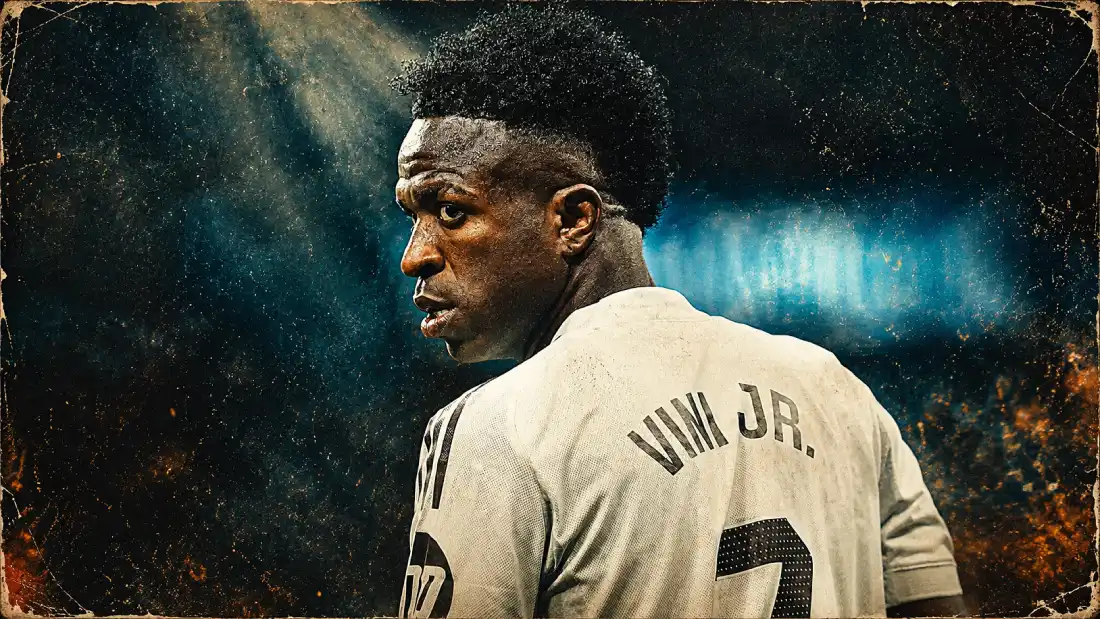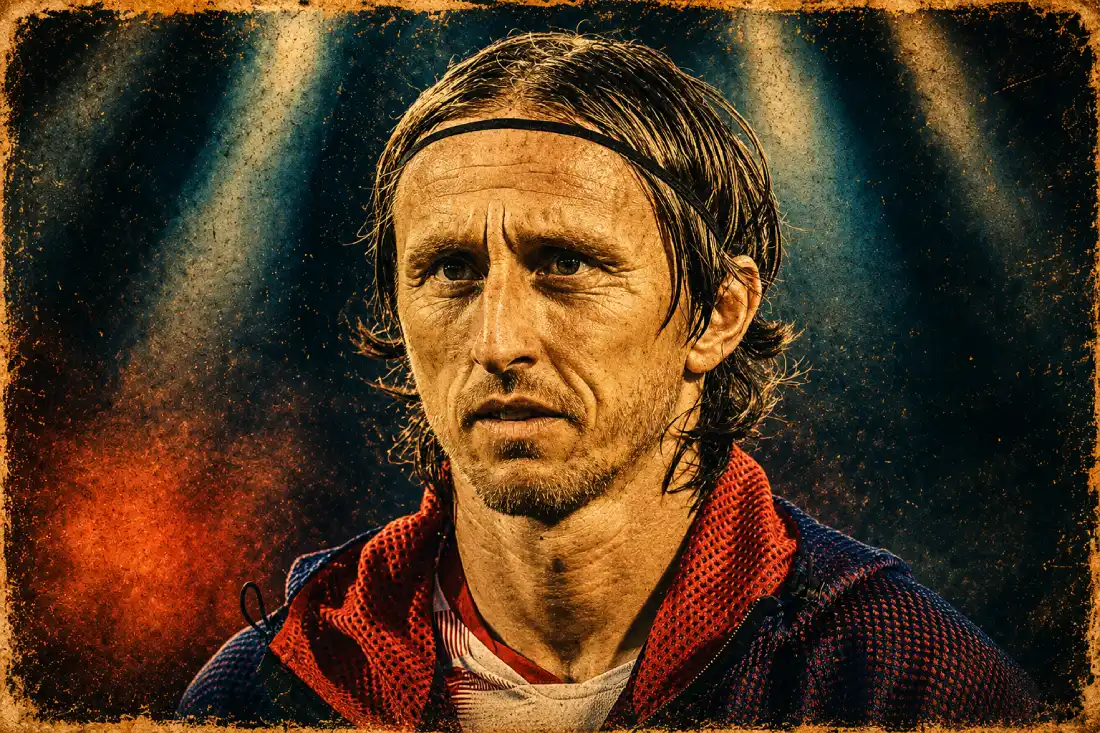

The scorpion kick happened in the 67th minute. Dominic Solanke, barely fit and operating at 70 percent sharpness according to his manager, flicked his right heel backward and sent the ball over Gianluigi Donnarumma’s outstretched arms. Tottenham Hotspur Stadium erupted. The comeback from 2-0 down was complete. Manchester City’s lead had evaporated.
Arsenal had stumbled the day before, beating Leeds 4-0 but showing signs of vulnerability in recent weeks. The door was open. City needed to walk through it. Instead, they let it slam shut.
But the real story wasn’t happening on the pitch. It was happening in Erling Haaland’s head.
Because 14 minutes earlier, Antoine Semenyo had scored Manchester City’s second goal. The £64 million signing from Bournemouth, just three weeks into his City career, had found the net again. His second Premier League goal. His fourth goal in five appearances across all competitions. The away support sang his name. The cameras found him celebrating. The narrative was writing itself.
Haaland clapped. He nodded. He jogged back to the halfway line.
It’s the problem every veteran player eventually faces. You’re Woody, the favorite toy, reliable and essential. Then Buzz Lightyear shows up with buttons that light up and a voice that says inspiring things. Suddenly, the kid’s attention shifts. The veteran watches the new arrival get all the love and wonders where he fits in the story.
And somewhere in that moment, Manchester City’s Toy Story problem became real.
Haaland has 20 goals in 22 Premier League matches this season. He’s the league’s top scorer. He hit 100 Premier League goals faster than anyone in history, reaching the milestone in just 111 appearances in early December. He scored his 150th goal for Manchester City across all competitions. He signed a contract extension through 2034 in January. By every measurable standard, he’s the main man.
But football doesn’t follow logic. It follows narratives. And when a new signing arrives for £64 million and scores immediately, the narrative shifts. The spotlight moves. The questions start.
The £425 Million Rebuild That Can’t Buy Stability
Manchester City’s crisis isn’t new. It’s been building since they finished third last season, a disappointment by their standards. The core that won everything together started to fracture. Kevin De Bruyne left for Napoli after his contract expired. Kyle Walker departed for Burnley. Ederson moved to Fenerbahçe. The spine of Pep Guardiola’s dynasty was dismantled piece by piece.
City’s response was to spend. Over £425 million in 12 months on 14 new players. Tijjani Reijnders from AC Milan for £46 million. Rayan Cherki from Lyon for £36 million plus add-ons. Rayan Ait-Nouri from Wolves for £31 million. Gianluigi Donnarumma from PSG for £26 million. And in January, Antoine Semenyo from Bournemouth for £64 million.
The rebuild was necessary. The question was whether it was sustainable.
Because while City kept spending, they kept struggling. They came into the Tottenham match on Sunday having drawn three consecutive games. They sat six points behind Arsenal with 14 matches remaining. The defensive injuries were piling up. Josko Gvardiol, Mateo Kovacic, John Stones, Ruben Dias, and Savio were all unavailable.
The pressure was mounting. The cracks were showing. And into that fragile environment walked Semenyo, scoring goals and winning hearts.
The 26-year-old Ghanaian winger arrived with credentials. He had scored 10 Premier League goals for Bournemouth in the first half of the season, including a brace at Liverpool and a last-minute winner against Tottenham in his farewell appearance. He was two-footed, fast, powerful, and capable of playing on either wing. Guardiola praised his “extraordinary quality” and his ability to use “both legs unbelievably.”
On January 10, one day after signing, Semenyo made his debut against Exeter City in the FA Cup. He scored one goal and assisted another in a 10-1 thrashing. Two days later, he scored in the Carabao Cup semi-final first leg at Newcastle, a tap-in from six inches that gave City a crucial away goal. On January 24, he scored his first Premier League goal for City in a 2-0 win against Wolverhampton Wanderers.
Three goals in his first three games. Instant impact. Immediate validation of the £64 million fee.
The City fans sang “Gold” by Spandau Ballet in his honor. The media praised his seamless integration. Guardiola’s assistant, Pep Lijnders, said Semenyo brings “something to the front line, what we really want and what we need.”
And Haaland watched.
He’s been here before, in a different way. When he arrived at City in 2022 for £51.2 million, the questions followed him. Could he fit into Guardiola’s system? Did City need a traditional striker? Would his presence limit their fluidity?
He answered every question with goals. Fifty-two goals in his debut season. A Premier League record 36 league goals. The treble. The Golden Boot. The Ballon d’Or conversation. He silenced every doubt with ruthless efficiency.
But this is different. This isn’t about whether Haaland can perform. It’s about whether he can share the spotlight.
Because Semenyo isn’t competing with Haaland for a position. He’s a winger. He plays on the flanks. He creates as much as he scores. He’s supposed to complement Haaland, not replace him.
But attention doesn’t work that way. Hype doesn’t follow positional charts. When a new signing arrives and scores immediately, the narrative tilts toward the new. The established star, no matter how many goals he’s scored, becomes the old story. The context. The supporting character.
When Opportunity Knocked, City Couldn’t Answer
The dynamic played out in real time against Tottenham. City dominated the first half. Rayan Cherki opened the scoring in the 23rd minute after Yves Bissouma lost possession in midfield. Haaland provided the assist, slipping Cherki through with a perfectly weighted pass. Eight minutes before halftime, Semenyo doubled the lead. Bernardo Silva provided the assist, and Semenyo finished clinically.
The away support erupted. The cameras lingered on Semenyo’s celebration. The commentary focused on his instant impact. The narrative wrote itself.
Haaland, who had created the first goal and worked tirelessly in the buildup, became a footnote. The provider, not the protagonist.
Inside the City locker room at halftime, the mood was confident. Two goals up. Dominating possession. Arsenal’s lead at the top could be cut to four points with a win. The crisis narrative could be quieted, at least temporarily.
But Tottenham head coach Thomas Frank made a tactical change that shifted everything. He brought on Pape Matar Sarr for captain Cristian Romero, who was battling illness, and switched to a back four. The adjustment allowed Spurs to match City’s attacking threats and close down spaces in midfield.
In the 53rd minute, Tottenham found a lifeline. Xavi Simons and Conor Gallagher combined down the right, and the ball deflected off Marc Guehi. After a VAR review, the goal was awarded to Solanke. Tottenham Hotspur Stadium, subdued for most of the match, suddenly came alive.
Then came the scorpion kick. Gallagher found space on the right again and whipped in a cross. Solanke, with the ball behind him, improvised an audacious backheel flick over Donnarumma. The technique was reminiscent of Olivier Giroud’s Puskas Award-winning effort. The execution was perfect. The timing was devastating.
City’s two-goal lead was gone. Their confidence evaporated. Their fragility was exposed again.
Guardiola’s side tried to rally for a winner, but Tottenham’s energy kept them at bay. City, despite dominating the first half, failed to create another clear-cut chance in the final 20 minutes. The new signings looked lost. The system that once seemed unstoppable now seemed vulnerable.
“We played a really good game in general,” Guardiola told BBC Sport after the match. “At 70 minutes, they put more balls in behind and put more players in the middle to attack more directly. They found a goal and after that, they had the momentum. The Premier League is like that. We had our momentum again at the end. It is a setback but we are still there, we move on and move. There are 14 games to go and a lot of points. We will see.”
It was the kind of response Guardiola always gives. Measured. Respectful. Focused on the next match. But the underlying concern was impossible to ignore.
The Defensive Collapse Nobody Can Fix
City’s problems run deeper than one dropped result. Their defensive structure has collapsed. They’ve conceded devastating counter-attacks repeatedly this season. Against Sporting CP in November, they blew a lead and lost 4-1. Against Feyenoord weeks later, they conceded three goals in 15 minutes after leading 3-0. Against Tottenham in their previous meeting, they were beaten 4-0.
The pattern is consistent. City push high, commit numbers forward, and get caught on the break. The aging defensive line can’t recover. The midfield can’t protect. The system that relied on relentless pressing and quick recovery now looks exposed when teams bypass the press.
Kyle Walker’s departure to Burnley removed the last line of defense against these counter-attacks. At his peak, Walker’s recovery speed snuffed out dangerous situations. Now, with Walker gone and injuries ravaging the backline, City are vulnerable.
The offensive diversity hasn’t materialized either. Haaland has nearly half of City’s expected goals in the Premier League this season. The wide players have contributed one Premier League goal between them before Semenyo’s arrival. Phil Foden, shifted into a more interior role, has struggled. Savinho, Jack Grealish, Bernardo Silva, and Jeremy Doku have underperformed their expected goals.
City’s offense is tilted entirely toward Haaland. It’s natural to build around the best finisher in the sport. But when nothing is being created for anyone else, the opposition can focus their defensive attention on one player.
That’s where Semenyo was supposed to help. His goal-scoring record at Bournemouth suggested he could take pressure off Haaland. His versatility meant he could play either wing or centrally. His two-footedness gave Guardiola tactical flexibility.
In theory, Semenyo’s arrival should make Haaland’s job easier. Defenses can’t commit everything to stopping the striker if a winger is scoring at a similar rate. The system should open up. The chances should multiply.
But human psychology doesn’t follow tactical theory. When a new player arrives and scores immediately, the attention shifts. The questions change. The dynamics evolve.
And for a player like Haaland, who has spent his entire career being the focal point, the adjustment isn’t easy. He’s not used to sharing the spotlight. He’s not accustomed to watching someone else get the headlines. He’s Woody, and Buzz just showed up with better press.
The challenge for Guardiola is managing this dynamic while fixing the larger structural issues. City need to integrate 14 new players into a system that’s already struggling. They need to solve the defensive vulnerabilities that have plagued them all season. They need to close a six-point gap to Arsenal with 14 matches remaining.
And they need to keep Haaland engaged and motivated while giving Semenyo the platform to justify his £64 million price tag.
It’s a delicate balance. Push Haaland too hard to adapt, and you risk alienating your best player. Don’t give Semenyo enough opportunities, and you waste a significant investment. Try to accommodate both, and you might compromise the system.
The answer, as it always is in football, will come through winning. If City go on a run and close the gap to Arsenal, the dynamics will resolve themselves. Winning cures everything. Success creates harmony. Trophies quiet the noise.
But if the struggles continue, the tension will grow. The questions will intensify. The comparisons will sharpen.
Can Haaland and Semenyo coexist? Will one emerge as the clear focal point? Is Guardiola’s system flexible enough to maximize both players?
These are the questions City will spend the next 14 matches answering. The title race will determine their success on the pitch. But the Haaland-Semenyo dynamic will determine their chemistry off it.
For now, the Toy Story comparison holds. Woody is watching Buzz get all the attention. The veteran is wondering where he fits. The new arrival is enjoying his moment in the sun.
But Toy Story had a happy ending. Woody and Buzz figured out there was room for both of them. They realized they were better together than apart. They understood the mission was bigger than individual glory.
Manchester City need that ending. They need Haaland and Semenyo to find their rhythm. They need the defensive issues solved. They need the new signings integrated. They need Guardiola to rediscover the formula that made them unstoppable.
Fourteen matches remain. Six points separate them from Arsenal. The crisis can still be averted. The season can still be saved.
But on a chilly Sunday evening at Tottenham Hotspur Stadium, with Dominic Solanke celebrating a scorpion kick and City’s away support singing for their new signing, the path forward felt uncertain.
The Woody and Buzz problem is real. How City solve it will define their season.