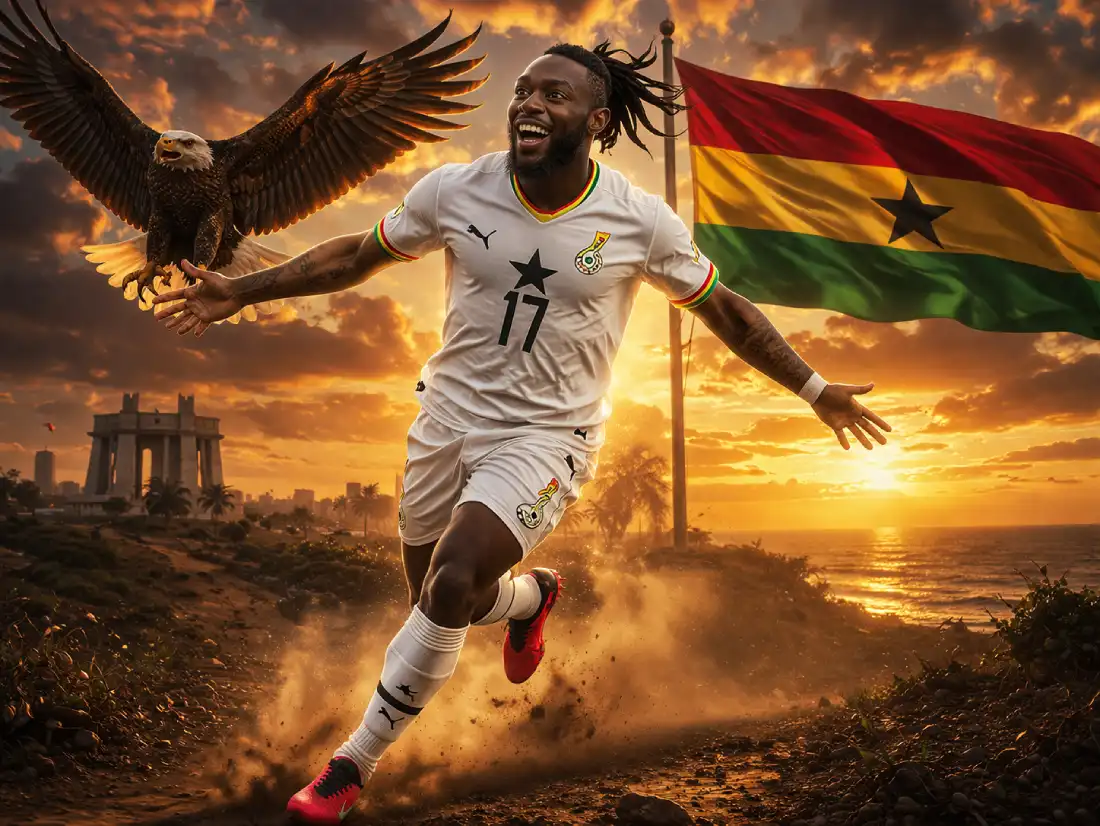
On July 2, 2010, with the world watching and a place in the semi-finals within touching distance, a Ghanaian footballer named Asamoah Gyan stood over a penalty and missed. That moment did not just end a match. It broke a continent’s heart. Uruguay’s Luis Suarez had blocked the ball on the goal line with his hand, was sent off, and Gyan drove the spot kick against the crossbar. Ghana lost the resulting shootout. They went home. No African team had ever reached a World Cup semi-final, and in that single missed penalty, the chance to be first slipped away.
Sixteen years later, Ghana are back at the World Cup for the fifth time. They arrive carrying the weight of that afternoon in Johannesburg, two group-stage exits since, a failed AFCON qualification campaign, and, as of March 31, 2026, no manager. Yes. The Ghana Football Association sacked Otto Addo just 72 days before the tournament kicked off, following a 5-1 thrashing by Austria and a 2-1 defeat to Germany in back-to-back friendlies. Going to a World Cup without a confirmed head coach is chaos. Going to a World Cup with Mohammed Kudus and Antoine Semenyo in your squad is something else entirely.
World Cup History: Africa’s Bridesmaid on the Grandest Stage
Ghana first qualified for the World Cup in 2006, arriving in Germany as the youngest squad in the tournament with an average age of under 24. The opening match was a nightmare, a 2-0 defeat to eventual champions Italy. Nobody expected what came next. Against the Czech Republic, then ranked second in the world, Asamoah Gyan scored after just 68 seconds, the fastest Ghana would ever score in a World Cup. Sulley Muntari added a second and Ghana won 2-0. They followed it with a victory over the United States and reached the Round of 16 before falling to Brazil. For a debut, it was extraordinary.
Four years later, in South Africa, they outdid themselves. Ghana came through a tough group containing Germany, Australia, and Serbia before beating the United States in the Round of 16, Gyan scoring the extra-time winner. Then came the Uruguay quarter-final. The match no neutral will ever forget. With the score level in the final minutes of extra time, substitute Dominic Adiyiah’s header was clearly heading in when Suarez threw up both arms and blocked it on the line. He was sent off immediately. Ghana had a penalty to reach the semi-final and become the first African nation to do so. Gyan struck the crossbar. Ghana lost on penalties. Suarez celebrated on the pitch. The reaction around the African continent was something between fury and grief.
The 2014 World Cup in Brazil was a shambles by comparison. Internal disputes saw two players, Sulley Muntari and Kevin-Prince Boateng, sent home mid-tournament for disciplinary reasons. Ghana lost to Portugal and the USA and drew with Germany, going out in the group stage. They did not qualify for 2018 at all. The 2022 edition in Qatar offered some redemption, a thrilling 3-2 win over South Korea in which Mohammed Kudus scored twice, only for defeats to Portugal and Uruguay to send them home again. Five World Cups. One quarter-final appearance. Ghana keep arriving with potential and leaving with regret.
Road to 2026: Dominant in Africa, Uncertain Everywhere Else
Ghana were placed in CAF Group I alongside Mali, Madagascar, Central African Republic, Comoros, and Chad. The Black Stars were by far the most talented team in the group and they proved it across a campaign that began in November 2023 and ran through October 2025. They finished with eight wins, one draw, one loss, scoring 23 goals and conceding just six. Those 25 points gave them a six-point cushion over second-placed Madagascar and confirmed their place in North America with room to spare.
Jordan Ayew led Ghana’s scoring throughout the campaign with seven qualifying goals, cementing his status as captain and senior statesman of a squad that blends real Premier League quality with youth and energy. The problem was that the campaign happened in Africa against modest opposition, and the results outside of qualifying told a different story.
Ghana failed to qualify for the 2025 Africa Cup of Nations, their first absence from the continental tournament in over two decades. The contrast between their qualifying dominance and their broader inconsistency defined the tension around Otto Addo’s second spell.
Best Qualifier Moment: The Night Kudus Made It Official
October 2025. Baba Yara Sports Stadium, Kumasi. Ghana versus Comoros. The Black Stars needed one more result to seal their place at the World Cup, and the atmosphere inside the stadium reflected the weight of the occasion. Ghana had been down this path before and felt the road crumble beneath them. Not this time.
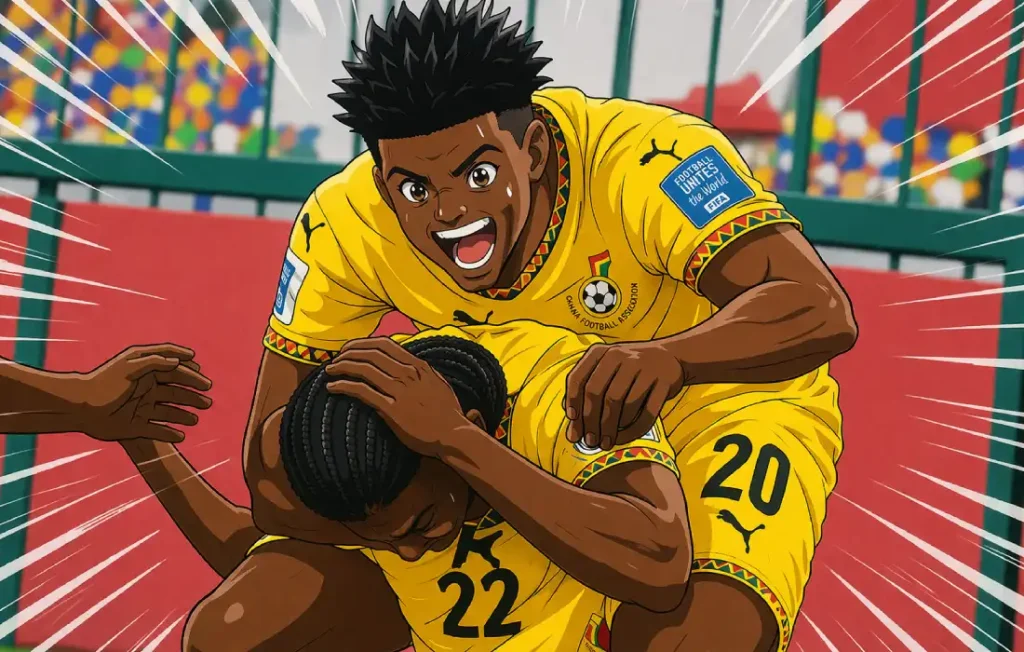
Mohammed Kudus stepped up and scored the only goal of the match, his finish settling a nervy crowd and confirming Ghana’s ticket to North America. Accra and Kumasi erupted. It was Ghana’s fifth World Cup qualification in their history, and the scenes of celebration reminded everyone why football matters in this country. Kudus, who had moved to Tottenham after establishing himself as one of the Premier League’s most dynamic attackers at West Ham, was the architect and the finisher. The moment belonged to him, and to a generation that had watched the 2010 heartbreak from childhood and now had a chance to write something better.
The Weapons Ghana Will Bring to North America
Antoine Semenyo, Manchester’s City newest signing in the 2026 Premier season, is the name everyone who follows the Premier League will have circled. After a brilliant season at Bournemouth under Andoni Iraola, the winger earned a £64 million move to Manchester City and has not looked back. By the time the World Cup starts, Semenyo will have scored 15 goals and provided four assists across both clubs in a single season. At 25 years old, he is fast, direct, and fearless, exactly the kind of player who can embarrass international defenders who have not seen enough of him. If Ghana have a breakout star in 2026, it is him.
Mohammed Kudus is the more established name at this level. Now at Tottenham after his brilliant time at West Ham, the 25-year-old attacking midfielder scored twice at the 2022 World Cup in Qatar, including a stunning second goal against South Korea. He can play across the front line, combine in tight spaces, and produce moments of individual brilliance that change matches. He is, when fit and in form, one of the most exciting players in world football. The injury issues that kept him out of Ghana’s March friendlies are a concern, but assuming he is available for the tournament, he gives the Black Stars a genuine X-factor.
Thomas Partey brings experience and defensive solidity to midfield. The former Arsenal man has over 50 caps and has competed in Champions League finals at club level with Atletico Madrid. His ability to break up play and distribute under pressure gives Ghana a platform their attacking players thrive on. Jordan Ayew adds leadership, seven qualifying goals, and the institutional knowledge of a player who has been to two previous World Cups. Iñaki Williams, who switched his international allegiance from Spain to Ghana in 2022, gives Addo another powerful, direct option wide.
The Crisis in the Dugout: A World Cup Without a Manager
This is the story that overshadows everything else. Otto Addo, the man who qualified Ghana for this World Cup, the only person ever to both play and coach the Black Stars at a World Cup, was sacked on March 31, 2026. Seventy-two days before the opening game. The dismissal came hours after a 2-1 defeat to Germany in Stuttgart, which followed a 5-1 demolition by Austria in Vienna. Four consecutive defeats, no goals of any substance, and a team that looked tactically lost against elite opposition. The Ghana Football Association had seen enough.
Addo was an intelligent, well-meaning coach whose record in qualifying was genuinely impressive. The campaign that delivered eight wins from ten games deserves enormous credit. But his overall record in his second spell told a harder story. Twenty-two matches, eight wins, nine defeats, a 36 per cent win rate, and a squad that never seemed to find consistent shape or identity against strong sides. Failing to qualify for AFCON 2025, Ghana’s first absence in two decades, was the moment the pressure became unbearable. The defeats to Austria and Germany made the decision easy. The GFA made the call and Ghana are now searching for a manager weeks before one of the biggest tournaments in football history.
The unknown surrounding who will take charge next is the single biggest cloud over Ghana’s campaign. Will the new appointment arrive in time to make any tactical difference? Will key players respond to a new voice? The uncertainty is real, and England fans in particular will be monitoring the situation closely before the June 23 showdown. What Ghana do know is that they have quality in their squad that can hurt anyone on a good day. The question is whether anyone will be there to organise it properly.
Tournament Expectations: Long Shots With Legitimate Weapons
Ghana arrive at this World Cup as outsiders, and it would be dishonest to pretend otherwise. You can see how they stack up against the rest of the field in Sports Guide’s World Cup 2026 power rankings, and the picture is stark. They are in one of the tougher groups, without a settled manager, carrying fresh memories of heavy defeats to European opposition, and facing a side in England that just produced the most dominant qualifying campaign in European history.
And yet. This is a team with Premier League-calibre attackers who can score against anyone. The expanded format works in their favour, with eight best third-place teams advancing to the knockout rounds. Ghana do not need to win the group to progress. They need two results from three games that keep them alive, and their attacking firepower gives them a puncher’s chance against any opponent. If Kudus and Semenyo are fit and firing, and whoever is managing from the touchline gets the tactical setup even remotely right, Ghana can be dangerous.
World Cup 2026 Group Stage: The Group of Opponents Ghana Know Too Well
Group L brings Ghana face to face with three nations they have history with. Panama represent the most beatable team in the group on paper, and Ghana have never met them at a World Cup before. Panama’s only previous tournament outing was at Russia 2018, where they were thrashed 6-1 by England, and Ghana will target this opener for maximum points. Panama’s World Cup 2026 campaign tells the story of a side still finding its footing at this level, and three points against them would transform Ghana’s knockout prospects.
England are the group’s top seeds and one of the genuine tournament favourites. Their record-breaking qualifying campaign and squad depth make them formidable, but the June 23 match in Foxborough is the one the Black Stars have been circling since the draw. England’s World Cup 2026 preview shows just how dangerous Thomas Tuchel’s side can be, and Ghana will need to be at their very best to take anything from that game. A draw would be a serious result for the African side.
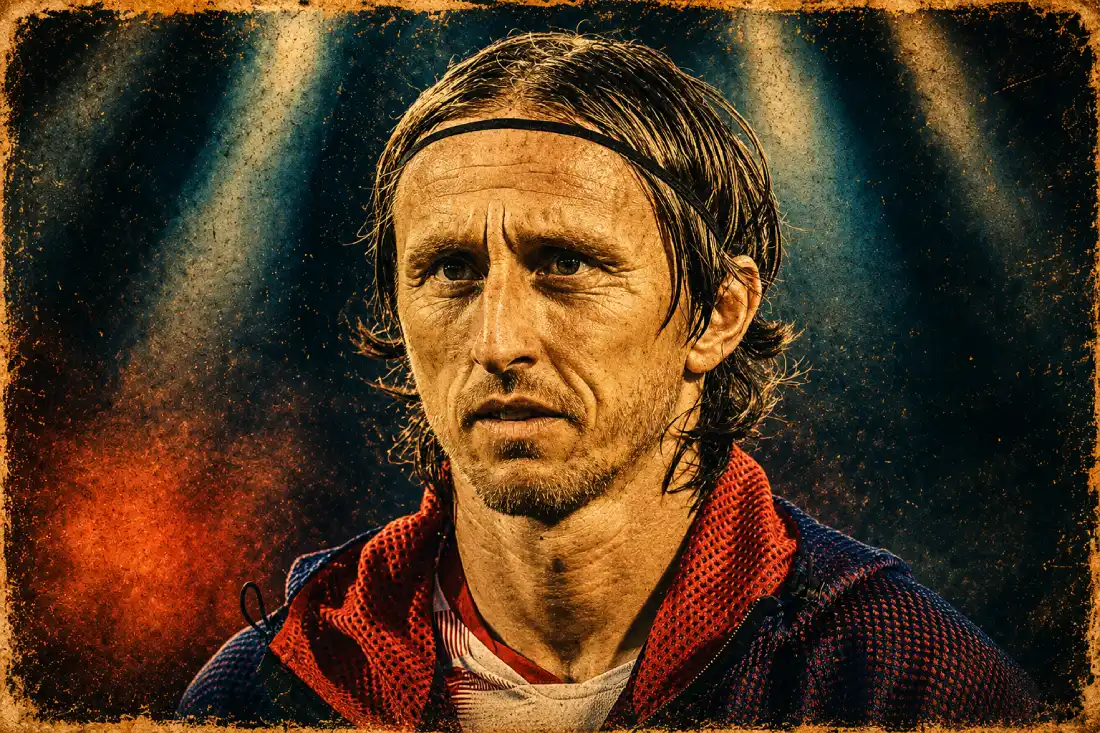
Croatia are the group’s most intriguing opponents. A nation that reached the 2018 World Cup final and has consistently punched above its weight, they have their own transition questions, with Luka Modric in the final chapters of a legendary career. Croatia’s World Cup 2026 build-up is worth reading before you write them off, though Ghana will believe a result against them is genuinely within reach.
Here is Ghana’s complete group stage schedule:
| Match | Date | Opponent | Venue | Time (ET) |
|---|---|---|---|---|
| 1 | June 17, 2026 | Panama | BMO Field, Toronto, Canada | 7:00 PM |
| 2 | June 23, 2026 | England | Gillette Stadium, Foxborough, Massachusetts | 4:00 PM |
| 3 | June 27, 2026 | Croatia | Lincoln Financial Field, Philadelphia, Pennsylvania | 5:00 PM |
The Panama opener in Toronto is the one Ghana simply cannot afford to drop. Start with three points and the rest of the group becomes manageable. Lose it and the pressure on the England and Croatia games becomes enormous.
Prediction: Third Place in the Group, Eyes on the Best Third-Place Route
Finishing third in Group L seems the most realistic outcome for Ghana. England should win the group, Croatia are likely to take second, and Ghana’s task is to accumulate enough points to be one of the eight best third-place teams who also advance.
The Panama win should come. A point from either England or Croatia would be excellent. If Kudus is fit, if the new manager instils even basic tactical organisation, and if Semenyo carries his electric club form into international football, Ghana finishing as a best third-place team is entirely plausible.
The 2010 ghost never fully leaves. Luis Suarez’s handball sits in the collective memory of a football-mad nation and it colours everything they do at the World Cup. This squad does not have the depth or cohesion of that 2010 side, but it has real quality in the final third and a fire in its belly that deserves respect. Whether that is enough to finally produce a moment worth celebrating is the question North America is about to answer.
The Black Stars are back. Whatever happens in the dugout, the football will be played on the pitch, and on the pitch Ghana always have a chance.