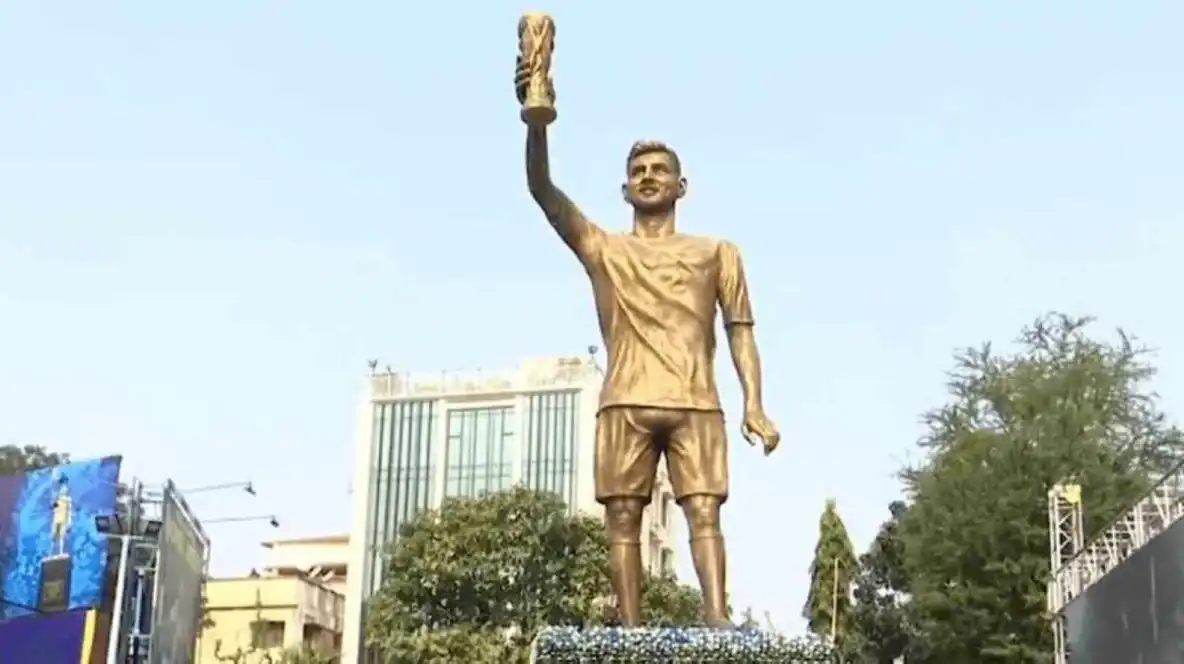
KOLKATA — What was meant to be a towering tribute to the world’s most celebrated footballer has instead become one of India’s most talked-about cultural flashpoints. A 70-foot iron statue erected in north Kolkata to honor Lionel Messi has ignited a storm of debate, memes and outright disbelief, with fans arguing that the sculpture bears little resemblance to the Argentine icon it was meant to immortalize.
The statue, unveiled this week in Lake Town near South Dum Dum, was conceived as the centerpiece of a lavish celebration surrounding Messi’s high-profile visit to India. Promoted as the largest statue of a footballer anywhere in the world, the structure was built over 40 days and positioned strategically beside the Kolkata Time Zone Tower, a replica inspired by London’s Big Ben. The symbolism was clear: a global sporting legend placed next to a global architectural icon, anchoring Kolkata’s claim as one of football’s most passionate cities.
But within hours of images circulating online, the narrative shifted sharply.
“Who is that supposed to be?” read one widely shared comment on X. Others compared the statue’s facial features to Cristiano Ronaldo, Bollywood actors, or, in some cases, “any footballer except Messi.” The phrase “Messi statue fiasco” began trending nationally by nightfall.
From Devotion to Disbelief
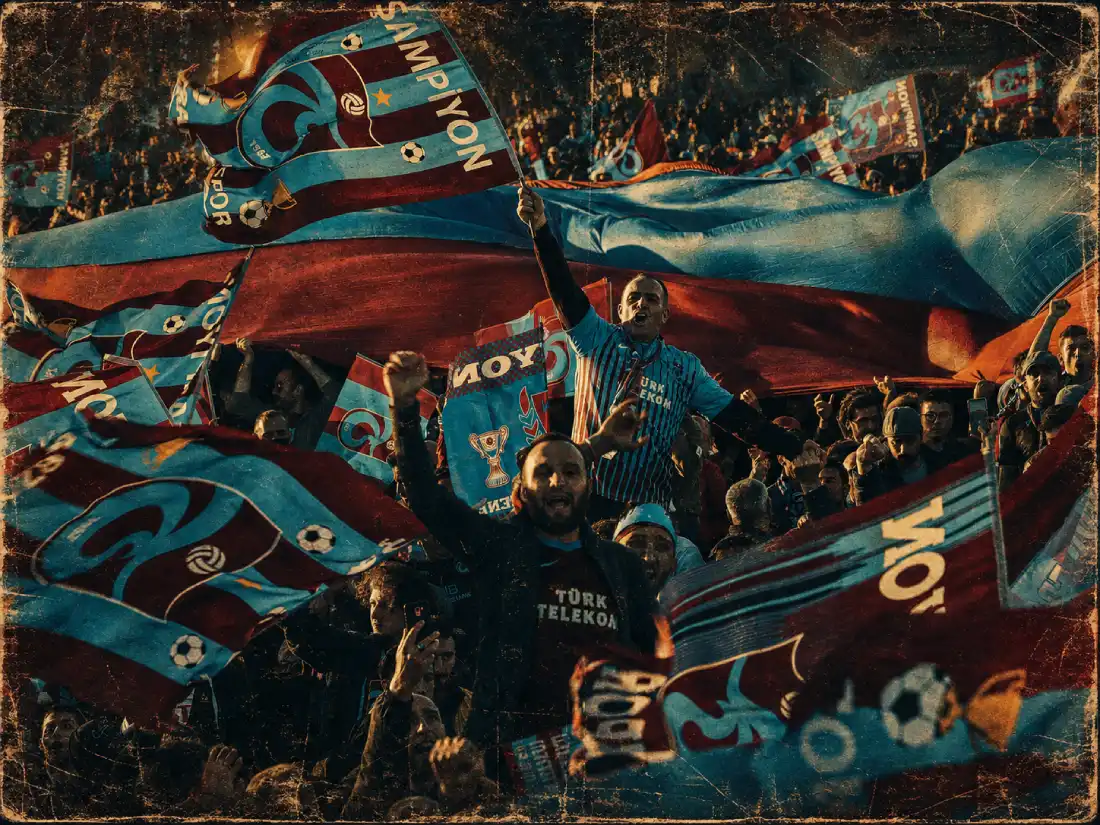
West Bengal’s love affair with football — and Argentina in particular — is no secret. For decades, the state has been split between fierce supporters of Brazil and Argentina during World Cups, with Messi emerging as the clear modern favorite. Blue-and-white flags routinely fly from rooftops during international tournaments, and Messi jerseys dominate street markets from Sealdah to Howrah.
It was this fervor that inspired a group of local football organizers and sponsors to commission the statue. The aim was not subtle realism but spectacle — something that would draw tourists, energize fans, and serve as a permanent reminder of Messi’s cultural footprint in Bengal.
Instead, the statue’s exaggerated proportions, rigid posture and disputed facial likeness became instant fodder for ridicule.
Art critics were quick to weigh in. “Scale amplifies flaws,” said Kolkata-based sculptor Anindya Mukherjee. “At 70 feet, even a minor error in proportion becomes glaring. Public art of this size demands extreme precision, especially when the subject is a globally recognized face.”
The Sculptor’s Defense
Monti Paul, the sculptor behind the project, has defended his work amid the backlash. Speaking to local media, he explained that the statue was never intended to be a hyper-realistic portrait.
“This is not a wax figure,” Paul said. “It’s a symbolic representation — power, movement, greatness. The face alone took over two weeks. At this scale, you can’t chase photographic perfection.”
Paul also described the logistical challenges involved: transporting massive iron sections through narrow lanes, assembling the statue with cranes, and racing against deadlines tied to Messi’s visit. Authorities even draped a cloth over the statue’s head until the official unveiling, hoping to control early reactions — a strategy that ultimately backfired once images leaked.
A City Divided
Reactions on the ground have been more nuanced than the online outrage suggests. While some fans expressed disappointment, others rallied behind the effort.
“We should appreciate the intention,” said Mohammad Sabir, a jersey vendor in central Kolkata. “Messi means everything to football lovers here. Even if the face isn’t perfect, the emotion is.”
Crowds have continued to gather at the site, many posing for selfies — sometimes ironically, sometimes reverently. Street hawkers have capitalized on the attention, selling miniature replicas, Argentina flags, and T-shirts jokingly printed with slogans like ‘Looks Like Messi… Maybe’.
City officials, meanwhile, have remained cautious. No plans have been announced to alter or remove the statue, though sources say discussions are ongoing about potential “refinements,” particularly to the facial features.
Celebrity Worship in the Age of Memes
The episode underscores a larger truth about modern fandom: reverence and ridicule often coexist. In an era where every public artwork is instantly dissected online, monuments no longer belong solely to their creators or patrons — they are claimed by the internet.
Messi himself has not publicly commented on the statue. Those close to the event say the footballer was gracious during the unveiling and appeared more focused on interacting with fans than scrutinizing his iron likeness looming overhead.
For Kolkata, the statue has already achieved one goal: attention. Whether it ultimately stands as a proud landmark or a cautionary tale of ambition outpacing execution remains to be seen.
As one fan quipped while gazing up at the towering figure, phone camera poised: “It may not look like Messi. But only Messi could cause chaos like this — without even touching the ball.”