American football is built around specialized positions where every player has a specific responsibility on the field. Some players focus on passing and scoring, while others are responsible for blocking, tackling, or defending against big plays.
For new fans, understanding player roles makes games much easier to follow because you begin recognizing why certain athletes are so important during key moments.
The Three Main Units in Football
NFL teams are divided into three separate units.
| Unit | Main Responsibility |
|---|---|
| Offense | Move the ball and score points |
| Defense | Stop opponents from scoring |
| Special Teams | Handle kicks and returns |
Each unit includes players with completely different skill sets and responsibilities.
Why the Quarterback Is So Important
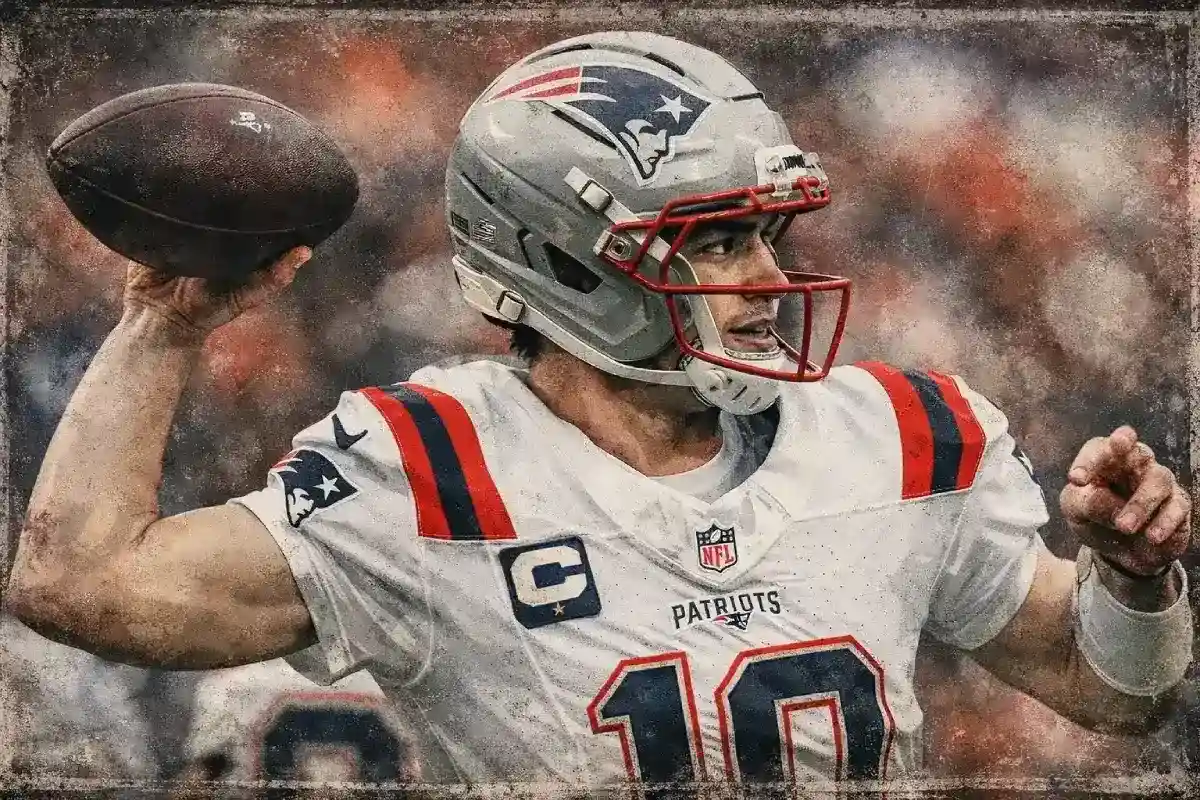
The quarterback is usually considered the leader of the offense.
Before every play, the quarterback reads the defense, adjusts formations, and decides where the ball should go after the snap.
Elite quarterbacks are expected to:
- Throw accurately
- Make quick decisions
- Handle pressure
- Control the game tempo
- Lead late-game drives
Because the position carries so much responsibility, quarterbacks often become the biggest stars in the NFL.
Understanding Running Backs
Running backs mainly carry the football during rushing plays, but modern players are also heavily involved in the passing game.
Strong running backs combine:
| Key Skill | Importance |
|---|---|
| Speed | Break away from defenders |
| Vision | Find running lanes |
| Strength | Fight through tackles |
| Agility | Change direction quickly |
A successful rushing attack also helps reduce pressure on the quarterback.
The Role of Wide Receivers
Wide receivers specialize in catching passes and creating explosive offensive plays.
Some receivers rely on speed to stretch the field vertically, while others focus on route-running and short-yardage precision.
Big plays from receivers can completely shift momentum during important games.
What Tight Ends Actually Do
Tight ends are among the most versatile players in football.
They combine responsibilities from both offensive linemen and wide receivers, helping with blocking while also becoming passing targets during offensive drives.
Modern offenses often use athletic tight ends to create difficult matchups against defenders.
Why Offensive Linemen Matter So Much
Offensive linemen rarely receive major headlines, but they are critical to every successful offense.
Their main job is to:
- Protect the quarterback
- Create running lanes
- Stop defensive pressure
- Control the line of scrimmage
Without strong offensive line play, even elite quarterbacks and running backs can struggle.
Understanding Defensive Positions
Defensive units across the NFL are designed to stop offensive drives and force mistakes.
| Position Group | Main Objective |
|---|---|
| Position Group | Main Objective |
| Defensive Line | Pressure the quarterback |
| Linebackers | Stop runs and cover short passes |
| Cornerbacks | Defend wide receivers |
| Safeties | Prevent deep passing plays |
Strong defenses often rely heavily on teamwork, communication, and quick reactions.
The Importance of Special Teams
Special teams may only appear during certain situations, but they can completely change games.
These units handle:
- Kickoffs
- Punt returns
- Field goals
- Extra points
A blocked kick or long return touchdown can instantly swing momentum during close matchups.
How Modern NFL Offenses Changed
Offensive systems evolved significantly over the years.
Many teams now focus more heavily on passing attacks, fast-paced playcalling, and creative formations designed to spread defenses across the field.
At the same time, mobile quarterbacks became increasingly valuable because they can extend plays both through passing and rushing ability.
Why Team Chemistry Is Critical
Football depends heavily on coordination because every play requires multiple players working together perfectly.
One missed block, wrong route, or defensive mistake can completely break down a play. Teams with strong chemistry and communication often outperform more talented opponents over the course of a season.
This is one reason coaching and preparation play such a huge role in professional football.